Select Page
The Art of Moroccan Architecture: From Riads to Palaces

The Art of Moroccan Architecture: From Riads to Palaces

The Art of Moroccan Architecture: From Riads to Palaces

Morocco is a country where architecture tells stories of centuries, blending Islamic, Berber, and Andalusian influences into structures that dazzle the eye and evoke a sense of timeless beauty. From the narrow streets of ancient medinas to the serene courtyards of riads and the grandeur of palaces, Moroccan architecture offers travelers an immersive journey through history, culture, and artistry. Understanding the art of Moroccan architecture is not just about admiring buildings, it’s about experiencing the essence of Moroccan life and traditions.

A Living Heritage of Design and Craftsmanship

The hallmark of Moroccan architecture lies in its meticulous craftsmanship and vibrant detailing. Intricate mosaics (zellige), carved wooden ceilings, ornate plasterwork (tadelakt), and decorative arches are found in homes, mosques, and palaces alike. Each element is carefully designed to create harmony between functionality, aesthetics, and cultural symbolism. The UNESCO World Heritage sites in Morocco, including the medinas of Fez and Marrakesh, showcase centuries-old urban planning and architectural brilliance recognized worldwide.
Riads: Tranquil Courtyards Amid Bustling Cities

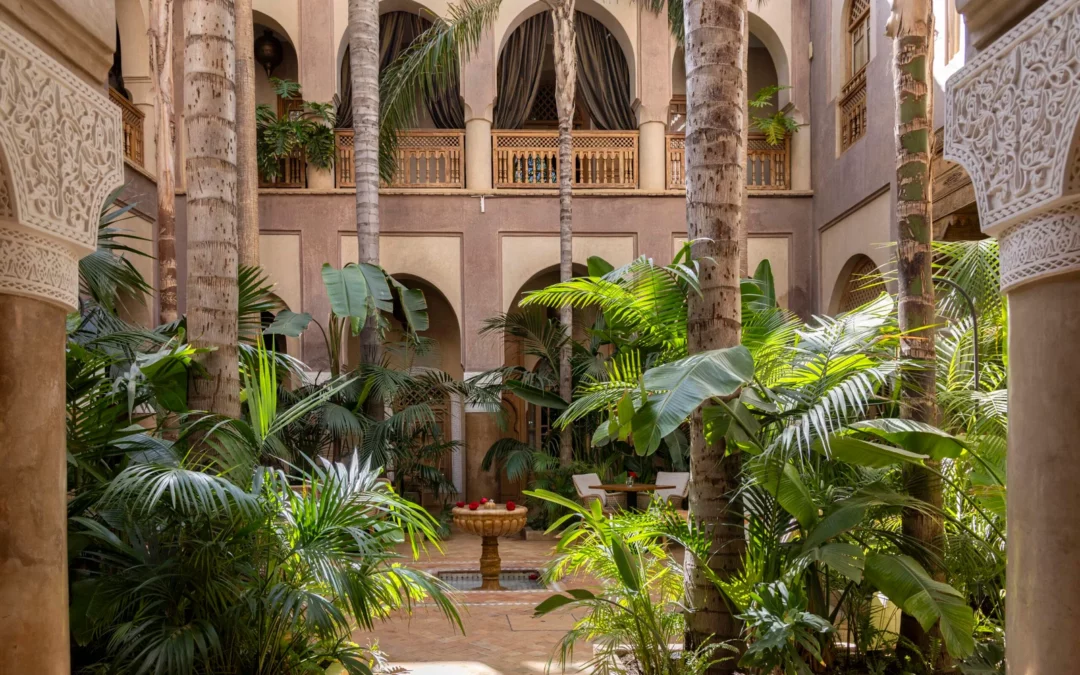
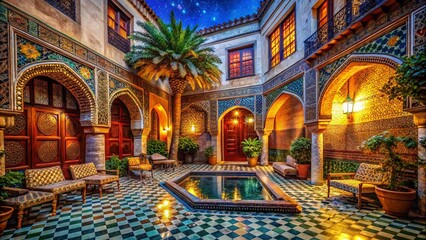
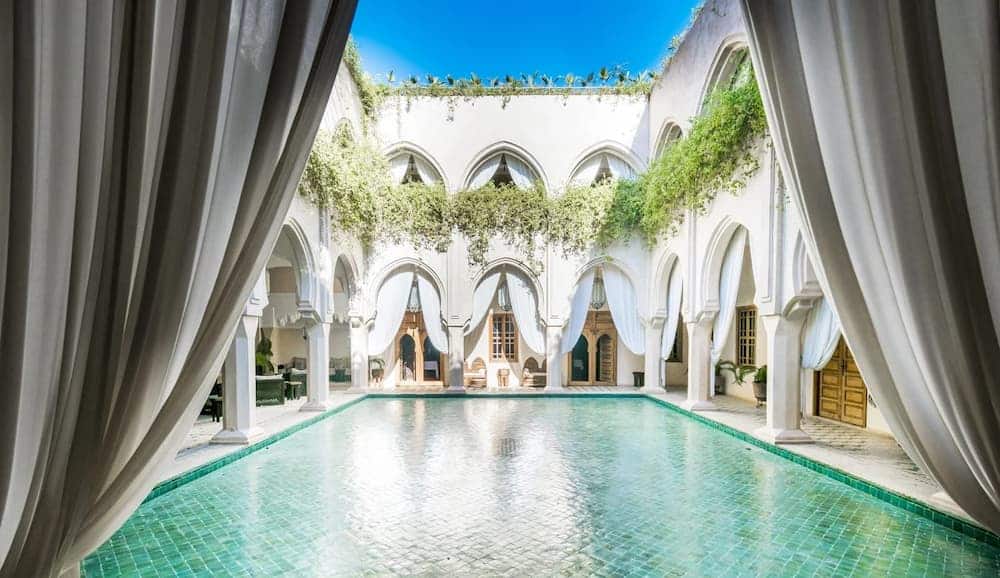
One of the most iconic expressions of Moroccan architecture is the riad, a traditional house built around a central courtyard. These tranquil spaces often feature gardens or fountains, providing an oasis of calm in the heart of lively medinas. The term “riad” itself comes from the Arabic word riyad, meaning garden. Riads are designed with inward-facing rooms to ensure privacy and harmony, reflecting the Moroccan emphasis on family life and social gathering spaces. For travelers, staying in a riad offers a firsthand experience of how architecture and lifestyle intertwine in Morocco. More about traditional accommodations can be explored here.
Palaces and Imperial Monuments

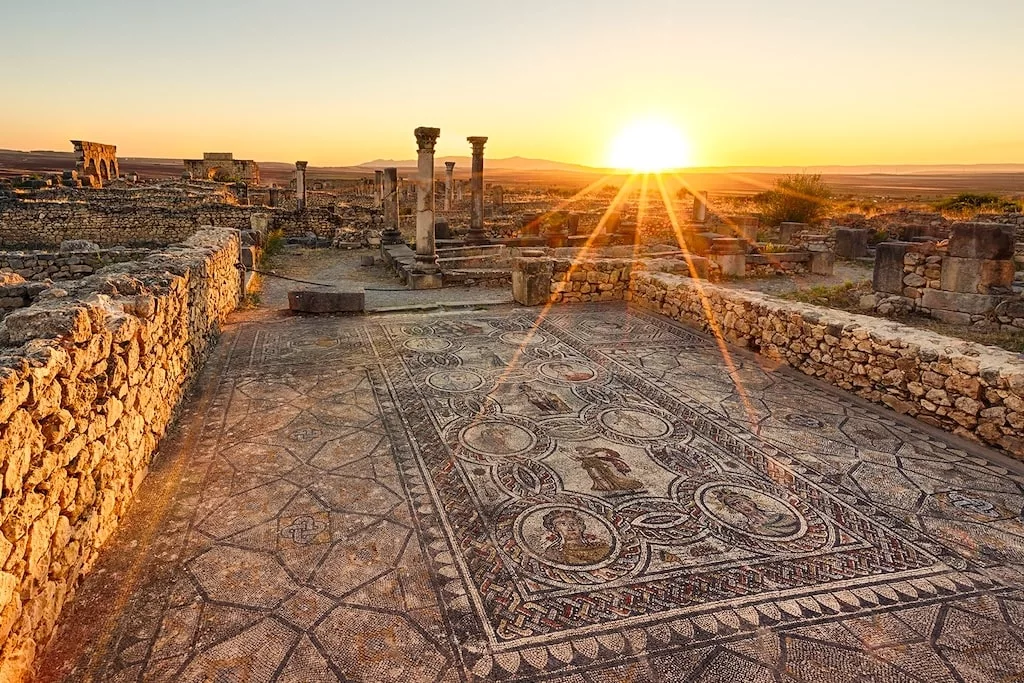
Beyond the intimacy of riads, Morocco is home to grand palaces and monumental architecture that highlight royal and religious prestige. The Bahia Palace in Marrakesh, the Royal Palace of Fez, and the Kasbah of Ait Benhaddou are prime examples of how Moroccan architecture combines luxury, defense, and artistry. These structures feature ornate gardens, spacious courtyards, and intricately decorated halls, allowing visitors to appreciate the opulence and skill of Moroccan builders and artisans. For historical context, the Royal Palaces demonstrate the evolution of Moroccan decorative arts.
Why the Art of Moroccan Architecture Matters to Travelers

Exploring Moroccan architecture is more than sightseeing—it’s a cultural immersion. Each element tells a story about Morocco’s history, influences, and social values. For tourists, understanding architectural nuances enriches visits to medinas, museums, mosques, and gardens, making every corner of Morocco a living museum. Whether you wander the streets of Fez, relax in a Marrakech riad, or explore ancient kasbahs, the art of Moroccan architecture offers insights into the soul of the country.

Key Architectural Styles and Influences

Moroccan architecture is a vibrant tapestry woven from diverse cultural influences accumulated over centuries. By understanding these styles, you can better appreciate the artistry behind every wall, arch, and courtyard you encounter.

Islamic and Moorish Influence

One of the most dominant styles in Morocco is Islamic architecture, characterized by horseshoe arches, geometric patterns, and calligraphy. These features are especially visible in mosques, madrasas, and palaces. Cities like Fez and Marrakesh are home to historic mosques that showcase intricate stucco work and mosaic tile panels. The Al-Qarawiyyin Mosque in Fez, founded in 859, exemplifies Islamic architectural brilliance and is also recognized by UNESCO as part of the Medina of Fez, a World Heritage Site.

Andalusian Elements

After centuries of coexistence with Andalusian craftsmen and scholars, Moroccan architecture absorbed influences from southern Spain. Look for colorful zellige tilework, ornamental gardens, and serene water features that create harmony and elegance. Andalusian-inspired riads often have tranquil courtyards and fountains, offering a peaceful retreat in busy medinas. The Menara Gardens in Marrakesh reflect this Andalusian approach to integrating nature and architecture.

Berber and Atlas Traditions

In rural areas and mountain regions, Berber architecture thrives with practical and aesthetic features. Kasbahs and fortified villages often use rammed earth, mud-brick, and stone, blending structures into the surrounding landscapes. The Kasbah of Ait Benhaddou, a UNESCO World Heritage Site, is a classic example of Berber ingenuity, designed to protect inhabitants from natural and human threats while maintaining beauty and cohesion.

French Colonial Influence

During the French Protectorate (1912–1956), European styles left their mark on cities such as Casablanca and Rabat. Wide boulevards, Art Deco buildings, and public squares reflect the blend of Moroccan motifs with European design principles. Walking through Casablanca’s city center, you’ll notice elegant facades and symmetrical layouts that add another layer of diversity to Moroccan architectural experiences.

Syncretic Urban Planning

Across all styles, Moroccan architecture emphasizes privacy, community, and harmony with the environment. In medinas, winding streets and shaded alleyways protect inhabitants from the sun while providing commercial and social spaces. Courtyards, gardens, and rooftop terraces are integrated into both rural and urban designs, reflecting a profound understanding of climate, culture, and social interaction.

By exploring these styles, you’ll see how the art of Moroccan architecture is more than decorative, it’s a reflection of Morocco’s history, culture, and adaptation to its environment.

Famous Moroccan Architectural Landmarks

Morocco’s architectural wonders are scattered across the country, from bustling medinas to serene rural landscapes. Visiting these landmarks allows you to experience the art of Moroccan architecture firsthand and appreciate the meticulous craftsmanship that defines each structure.

1. Bahia Palace – Marrakesh

The Bahia Palace, built in the 19th century, is a masterpiece of Moroccan architecture. Spanning eight hectares, it features intricately carved cedarwood ceilings, elaborate stucco decorations, and vibrant zellige tiles. The palace’s courtyards, gardens, and fountains exemplify the traditional Moroccan emphasis on harmony between indoor and outdoor spaces. Visitors often marvel at how the design balances opulence with cultural symbolism.

2. Royal Palace of Fez

The Royal Palace (Dar el-Makhzen) of Fez showcases the grandeur of Morocco’s imperial architecture. Though largely closed to the public, the ornate gates, impressive façades, and surrounding medina reflect centuries of Islamic and Berber architectural influences. Guided tours around Fez provide glimpses of how urban planning and decoration harmonize in Morocco’s historic capitals.

3. Kasbah of Ait Benhaddou

This UNESCO World Heritage site, the Kasbah of Ait Benhaddou, is an iconic example of Berber architecture. The earthen walls, strategic layout, and traditional construction techniques make it a living museum of rural Moroccan building practices. Its cinematic appeal has also made it a favorite location for international films. A visit here demonstrates how architecture adapts to both cultural and environmental needs.

4. Traditional Riads

Staying in a riad offers a unique window into Moroccan domestic architecture. Central courtyards, flowing water features, and richly decorated rooms create a peaceful sanctuary amid the bustle of medina life. Riads in cities like Marrakesh, Fez, and Essaouira reflect centuries of design evolution, combining Andalusian aesthetics with Moroccan traditions.

5. Saadian Tombs – Marrakesh

The Saadian Tombs date back to the 16th century and highlight the intricate tilework, stucco, and marble craftsmanship of the Saadian dynasty. Rediscovered in 1917, the tombs are a testament to Morocco’s commitment to preserving historical architectural treasures.

Exploring these landmarks not only provides visual delight but also deepens your understanding of Morocco’s rich architectural heritage. From grand palaces to serene riads, each site offers insights into the cultural, social, and environmental factors that shaped the art of Moroccan architecture.

Architectural Techniques and Materials in Morocco

Understanding the art of Moroccan architecture requires an appreciation for the techniques and materials that make these structures both beautiful and enduring. Moroccan builders have perfected methods over centuries, combining functionality, aesthetics, and sustainability.
 

1. Zellige – The Iconic Mosaic Tiles

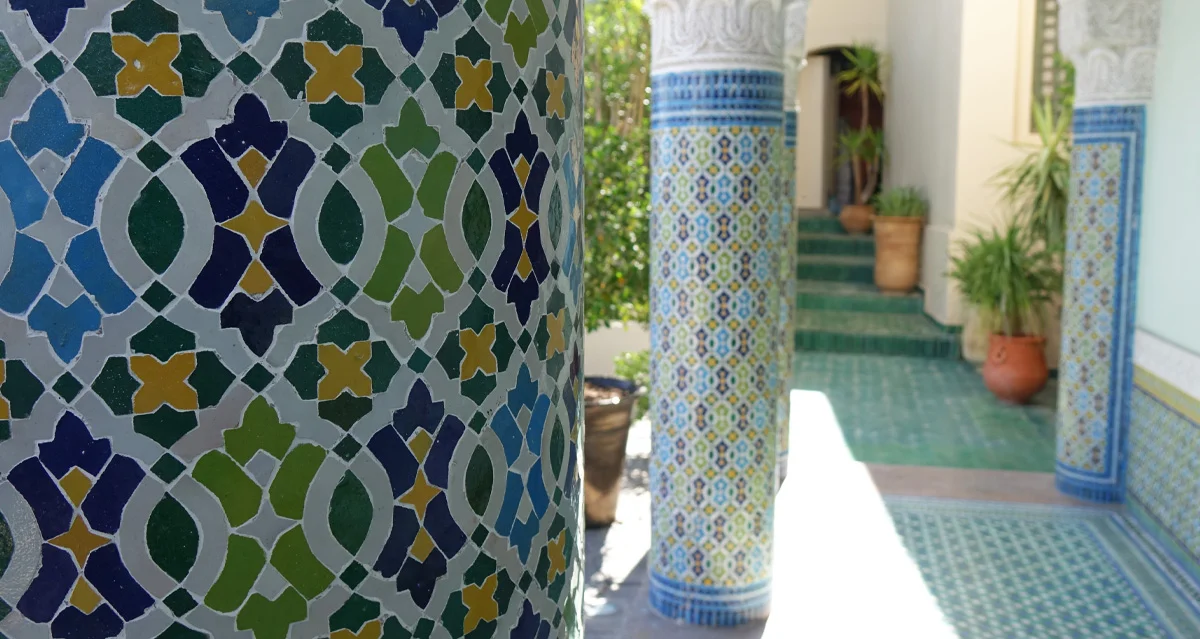
Zellige, or Moroccan mosaic tilework, is one of the most recognizable features of Moroccan architecture. Composed of individually cut glazed tiles arranged in intricate geometric patterns, zellige decorates floors, walls, fountains, and courtyards. The craft requires skill and patience, reflecting the country’s artistic heritage. Zellige can be explored in detail at sites such as the Bahia Palace and various riads throughout Marrakesh and Fez.

2. Tadelakt – Smooth Plaster Finishes

Tadelakt is a traditional Moroccan plaster technique used for walls, fountains, and baths. This lime-based plaster is polished with stones and treated with natural soap, creating a waterproof and elegant surface. Its use in riads, palaces, and hammams adds a soft, luxurious finish while demonstrating the functional creativity of Moroccan artisans. More about tadelakt can be found on Moroccan craftsmanship resources.

3. Carved Wood and Stucco

Intricately carved cedarwood ceilings and stucco plasterwork are staples of Moroccan architecture. Ceilings often feature floral and geometric motifs, while stucco panels embellish walls and arches. This craftsmanship serves both decorative and structural purposes, providing ventilation, light control, and aesthetic appeal simultaneously.

4. Earthen Construction and Kasbah Techniques

In rural and mountainous regions, traditional builders often use rammed earth or mud-brick techniques, which provide natural insulation against heat and cold. Fortified kasbahs, such as the Kasbah of Ait Benhaddou, showcase these methods. Their thick walls, defensive towers, and strategically planned interiors reflect an ingenious adaptation to both environment and social needs.

5. Courtyards and Gardens

Central courtyards and gardens are integral to Moroccan architecture, offering a private outdoor space for relaxation, water collection, and social gatherings. The design of these spaces emphasizes balance, tranquility, and a connection to nature, which is evident in riads, palaces, and religious buildings alike. Gardens such as the Menara Gardens demonstrate the fusion of architecture and landscaping.

6. Sustainability and Adaptation

Many traditional Moroccan techniques prioritize sustainability, using local materials and passive cooling methods. Thick walls, shaded streets, and internal water features regulate temperature naturally, showing an early understanding of ecological design that modern architects continue to study.

By observing these techniques, visitors can appreciate the art of Moroccan architecture not only as an aesthetic achievement but also as a reflection of cultural intelligence and environmental harmony.

Experiencing Moroccan Architecture as a Traveler

Exploring the art of Moroccan architecture is one of the most immersive ways to connect with Morocco’s history and culture. From wandering through ancient medinas to staying in a traditional riad, each experience offers insights into the country’s rich heritage.

1. Wander Through the Medinas

The medinas of Fez, Marrakesh, and Essaouira are living examples of Moroccan urban planning and architectural ingenuity. Narrow, winding streets guide you past centuries-old homes, mosques, and bustling souks. Take time to notice the arches, decorative plasterwork, and zellige mosaics that adorn walls and doorways. For historical context, explore UNESCO’s Medina of Fez page to understand why these medinas are globally recognized for their cultural significance.

2. Stay in a Traditional Riad

Experiencing Moroccan life often begins with lodging. Traditional riads, with their central courtyards, fountains, and garden spaces, offer a peaceful retreat from the city’s hustle. Staying in a riad allows you to experience the art of Moroccan architecture up close while enjoying the comfort and hospitality inherent in these historic homes. For insights into riads and accommodations, see Riad (Morocco) on Wikipedia.

3. Visit Palaces and Kasbahs

Palaces and kasbahs are highlights for architecture enthusiasts. Structures like the Bahia Palace in Marrakesh and the Kasbah of Ait Benhaddou illustrate the grandeur and functional ingenuity of Moroccan design. Observe the use of courtyards, decorative woodwork, and stone walls that combine beauty with climate adaptation.

4. Discover Architectural Techniques

While exploring, pay attention to construction techniques and materials. Notice tadelakt plaster, carved cedar ceilings, and earthen walls that reflect centuries of local craftsmanship. Many museums and restored sites provide tours explaining these methods in depth, giving travelers a better understanding of Moroccan architectural mastery.

5. Capture and Respect

Photography is a great way to document your journey, but always respect private homes and religious spaces. Many mosques and riads have areas open to visitors; ask permission before taking photos and be mindful of local customs.

6. Plan a Guided Tour

For a more in-depth experience, consider booking a guided architectural tour. Guides provide historical context, point out hidden details, and ensure you don’t miss iconic sites. For personalized travel planning, you can contact Prime Morocco Tours to create an itinerary focused on Morocco’s architectural wonders.

By immersing yourself in the art of Moroccan architecture, you gain not just beautiful photographs but a deeper understanding of Morocco’s history, culture, and traditions. Each building tells a story, and every street corner holds a piece of Morocco’s vibrant heritage.

Conclusion 

Exploring the art of Moroccan architecture is more than sightseeing; it’s a journey into the soul of Morocco. From the serenity of riads to the grandeur of palaces, and from the intricate mosaics of mosques to the earthy tones of kasbahs, every structure embodies centuries of history, artistry, and cultural identity. By visiting these architectural treasures, you not only admire aesthetic beauty but also gain insights into Moroccan life, traditions, and craftsmanship.

Morocco’s architecture is a living heritage that invites travelers to engage, learn, and appreciate. Each medina, courtyard, and garden showcases the fusion of diverse influences, including Islamic, Berber, Andalusian, and French colonial styles. Understanding these elements enhances your travel experience, making each visit meaningful and memorable.

Whether you are wandering through the bustling streets of Fez, relaxing in a Marrakesh riad, or exploring the UNESCO-listed Kasbah of Ait Benhaddou, embracing the art of Moroccan architecture will leave you with lasting impressions and stories to share.

For travelers seeking a guided and enriching experience, planning your journey with expert insights ensures you don’t miss the hidden details and historical narratives that make Moroccan architecture so unique. To start crafting your architectural adventure across Morocco, you can reach out and plan your itinerary with Prime Morocco Tours.

By taking this step, you’ll transform your trip into an unforgettable journey through Morocco’s rich architectural heritage, fully immersing yourself in the beauty, history, and culture of this remarkable country.

EXPERIENCE MOROCCO’S GRANDEST PALACES AND HIDDEN RIADS

Enjoy private access, expert guides, and curated itineraries that reveal the soul of Moroccan design. Luxury and culture combined.

Why You Should Visit the Agafay Desert – Around Marrakech

Why You Should Visit the Agafay Desert – Around Marrakech

Why You Should Visit the Agafay Desert - Around Marrakech

Just a short drive from Marrakech, the Agafay Desert offers an incredible escape into Morocco’s rugged beauty without the long journey to the Sahara. Unlike the golden dunes of Merzouga, Agafay is a stone desert with rolling hills, vast open landscapes, and a unique charm that makes it a fantastic destination for travelers seeking adventure, tranquility, and cultural experiences.

A Convenient Desert Escape

One of the main reasons to visit Agafay is its accessibility. Located only about 40 kilometers from Marrakech, it provides the perfect opportunity for a day trip or an overnight stay without the need for long hours of travel. Whether you have limited time or simply prefer a shorter journey, Agafay is a great alternative to the distant Sahara.

Diverse Activities for Every Traveler

Agafay Desert is a playground for adventure lovers. Visitors can enjoy camel rides, quad biking, horseback riding, and dune buggy tours across its rocky terrain. For those looking to relax, many luxury desert camps offer spa treatments, yoga sessions, and stargazing experiences. Whether you crave excitement or serenity, Agafay has something to offer.

Luxury Desert Camps and Unique Stays

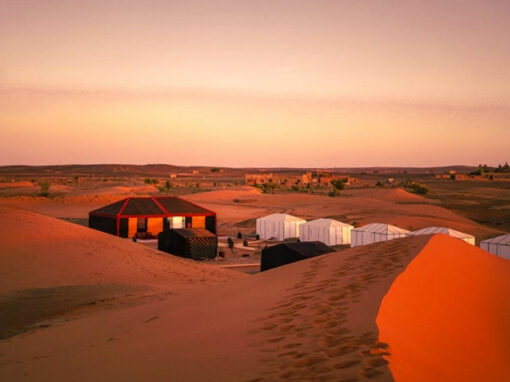
Unlike the traditional nomadic tents of the Sahara, Agafay boasts high-end desert camps that provide comfort while maintaining an authentic Moroccan ambiance. These camps often include stylish tents, gourmet dining, fire-lit evenings with local music, and breathtaking sunset views. Spending a night in Agafay under the stars is an unforgettable experience.

Experience Ramadan in Morocco – A Journey of Culture & Tradition!

Join us for an unforgettable cultural tour and experience the beauty of Moroccan traditions during Ramadan. Book now and be part of this unique spiritual journey!


Breathtaking Sunsets and Stargazing

The Agafay Desert is known for its stunning sunsets, where the changing hues of the sky reflect beautifully on the rocky landscapes. At night, the lack of city lights provides an ideal setting for stargazing, allowing visitors to witness a sky full of stars in a peaceful desert atmosphere.

Cultural Encounters and Local Hospitality

A visit to Agafay allows travelers to experience the hospitality of local Berber communities. Many desert camps and lodges offer traditional Moroccan meals, tea ceremonies, and storytelling sessions, providing insight into the region’s rich culture and history.

Perfect for Special Occasions

Whether you are celebrating a honeymoon, a special anniversary, or even a private event, Agafay Desert is an ideal setting. Many camps offer personalized experiences such as private dinners, live music performances, and romantic setups in the heart of the desert.

Agafay Desert Around Marrakech

Agafay Desert is a must-visit for those looking to experience the magic of Morocco’s desert landscapes without a long trip to the Sahara. With its mix of adventure, luxury, and cultural richness, it offers a perfect balance for travelers seeking an unforgettable escape near Marrakech. Whether for a day trip or a longer stay, Agafay is sure to leave you with lasting memories.

Atlas Mountain Tours – Is It Safe for Hiking?

Atlas Mountain Tours – Is It Safe for Hiking?

Atlas Mountain Tours – Is It Safe for Hiking?

February 17, 2025  •  3 min read

The Atlas Mountains in Morocco are a breathtaking destination for hikers, offering stunning landscapes, traditional Berber villages, and rewarding trails that range from easy walks to challenging climbs. Whether you are an experienced trekker or a beginner looking for adventure, the Atlas Mountains provide an unforgettable experience. However, like any outdoor activity, hiking in this region requires preparation, awareness, and an understanding of the potential risks.

Safety Considerations for Hiking in the Atlas Mountains

1. Guided vs. Independent Hiking

While some seasoned hikers may feel confident navigating the trails independently, hiring a local guide is highly recommended, especially for first-time visitors. Local guides are familiar with the terrain, weather conditions, and hidden trails, ensuring a smoother and safer experience. Moreover, they provide valuable insights into Berber culture and local customs, enriching your journey beyond just the physical trek.

2. Terrain and Difficulty Levels

The Atlas Mountains feature a diverse range of trails, from gentle valley walks to strenuous ascents like Mount Toubkal, North Africa’s highest peak (4,167 meters). Some paths can be rocky, steep, or poorly marked, making it essential to choose a route that matches your fitness level and experience. Beginners should stick to well-established trails, such as those in the Ourika Valley or Imlil region, while seasoned trekkers can attempt more challenging routes.

3. Weather Conditions and Seasonal Advice

The best time for hiking in the Atlas Mountains is during spring (March to May) and autumn (September to November) when temperatures are moderate, and the scenery is lush. Summer can be extremely hot in lower elevations, while winter (December to February) brings snow to higher altitudes, making certain routes hazardous. Checking the weather forecast before your hike and preparing for sudden changes in conditions is crucial.

4. Altitude and Acclimatization

Hiking at high altitudes, especially on routes like Mount Toubkal, requires acclimatization to avoid altitude sickness. Symptoms can include headaches, dizziness, and shortness of breath. To reduce the risk, it is advisable to spend at least a day acclimatizing in areas like Imlil before ascending higher. Staying hydrated, eating well, and taking it slow can help prevent altitude-related issues.

5. Essential Gear and Packing List

Having the right gear is vital for a safe and comfortable hike. Essential items include:

  • Sturdy hiking boots with good grip
  • Weather-appropriate clothing (layered for temperature changes)
  • Sun protection (hat, sunglasses, sunscreen)
  • A reliable map or GPS device
  • Plenty of water and high-energy snacks
  • First-aid kit and any necessary medications
  • Headlamp or flashlight for early morning or late hikes
  • Walking poles for steep sections

Experience Ramadan in Morocco – A Journey of Culture & Tradition!

Join us for an unforgettable cultural tour and experience the beauty of Moroccan traditions during Ramadan. Book now and be part of this unique spiritual journey!


6. Wildlife and Natural Hazards

While the Atlas Mountains are not known for dangerous wildlife, hikers should be mindful of stray dogs and occasional encounters with snakes or scorpions, particularly in rocky or desert-like areas. Additionally, landslides and loose rocks can be a risk on steeper paths, so staying alert and following well-trodden routes is advised.

7. Cultural Awareness and Respect

Hiking through the Atlas Mountains often means passing through traditional Berber villages. Respecting local customs is important—dress modestly, ask permission before taking photos of people, and greet locals with a polite “Salam” (hello). Many villagers are welcoming and may even invite hikers for tea, offering a unique cultural exchange experience.

Atlas Mountains – Is It Safe?

Hiking in the Atlas Mountains is generally safe as long as travelers take necessary precautions. With proper planning, the right gear, and awareness of potential risks, it can be an incredibly rewarding experience. Whether trekking independently or with a guide, staying informed and prepared ensures a safe and enjoyable adventure in one of Morocco’s most stunning natural landscapes.

Related tours

Day trips from Marrakech into the Atlas Mountains

Solo Travel in Morocco: A Journey of Adventure, Culture, and Discovery

Solo Travel in Morocco: A Journey of Adventure, Culture, and Discovery

Solo Travel in Morocco: A Journey of Adventure, Culture, and Discovery

Morocco, with its rich history, diverse landscapes, vibrant culture, and welcoming people, is an increasingly popular destination for solo travelers. Whether you’re drawn to the ancient streets of Marrakech, the serene deserts of Merzouga, or the coastal beauty of Essaouira, Morocco offers a wide range of experiences that are perfect for those traveling alone. Solo travel in Morocco can be an incredibly rewarding experience, but like any destination, it’s important to prepare and understand the local customs and culture to make the most of your trip. Here’s a guide to help you navigate your solo journey in this fascinating country.

Why Choose Morocco for Solo Travel?

Morocco is a country of contrasts and excitement—where bustling souks meet quiet desert nights, and centuries-old traditions coexist with modern life. It’s an ideal destination for solo travelers looking to immerse themselves in a unique culture, explore a diverse landscape, and experience the warmth of Moroccan hospitality.

  1. Rich History and Culture: Morocco has a deep cultural heritage influenced by Berber, Arab, and European traditions. The cities of Marrakech, Fes, and Meknes are steeped in history, with medinas, palaces, and ancient monuments that tell the story of the country’s past. The vibrant souks (markets) offer a sensory experience where you can discover handmade crafts, spices, textiles, and more.
  2. Variety of Experiences: Whether you’re seeking adventure, relaxation, or cultural immersion, Morocco has something to offer. From trekking in the Atlas Mountains to spending a night in the Sahara Desert, or exploring coastal towns like Essaouira, you’ll never run out of things to do. Morocco also has great cuisine, and sampling local dishes like tagine, couscous, and mint tea is a must.
  3. Friendly Locals: Moroccan people are known for their hospitality and friendliness, often going out of their way to help travelers. Solo travelers can expect to meet many locals who are eager to share their culture, whether it’s through a conversation in a café or an impromptu invitation to tea.

Top Destinations for Solo Travelers in Morocco

While Morocco is filled with a wide array of incredible places, some destinations are particularly suited for solo travelers. Here are some of the top spots:

Marrakech

  • Vibrant Medina: Marrakech’s Medina (old town) is a maze of narrow streets, alleys, and souks. Exploring it on foot is an adventure in itself. You can visit the iconic Jemaa el-Fnaa Square, a UNESCO World Heritage site, which comes alive with performers, food stalls, and snake charmers.
  • Cultural Landmarks: Don’t miss the Bahia Palace, the Koutoubia Mosque, and the Majorelle Garden, a peaceful retreat designed by French painter Jacques Majorelle.
  • Day Trips: From Marrakech, it’s easy to take day trips to the Atlas Mountains, the Ourika Valley, or Ait Benhaddou, a UNESCO-listed kasbah.

Fes

  • Historical Significance: Fes is one of Morocco’s most historically significant cities, home to one of the world’s oldest universities, the University of Al Quaraouiyine, and its ancient medina, a UNESCO World Heritage site. It is also known for its maze-like streets and beautiful mosaics.
  • Craftsmanship: Fes is renowned for its leather goods, ceramics, and textiles, making it a great place to shop for souvenirs. Visit the Chouara Tannery to see the traditional leather-making process in action.

Merzouga and the Sahara Desert

  • Desert Adventures: For solo travelers seeking adventure, a trip to the Sahara Desert is a must. Merzouga, a small village near the dunes of Erg Chebbi, is the gateway to the desert. Solo travelers can embark on a camel trek into the dunes and spend the night in a traditional desert camp under the stars.
  • Cultural Experience: The Berber people who inhabit the desert offer a unique cultural experience. You’ll have the opportunity to learn about their customs, music, and ways of life.

Experience Ramadan in Morocco – A Journey of Culture & Tradition!

Join us for an unforgettable cultural tour and experience the beauty of Moroccan traditions during Ramadan. Book now and be part of this unique spiritual journey!


Essaouira

  • Coastal Charm: Located on the Atlantic coast, Essaouira is a laid-back town known for its beautiful beaches, historic medina, and vibrant arts scene. It’s a perfect spot for solo travelers seeking a slower pace.
  • Wind and Waves: Known as the “wind city,” Essaouira is a great destination for windsurfing and kite surfing. It’s also a place to wander through galleries, enjoy fresh seafood, and watch the fishermen in the harbor.

Chefchaouen

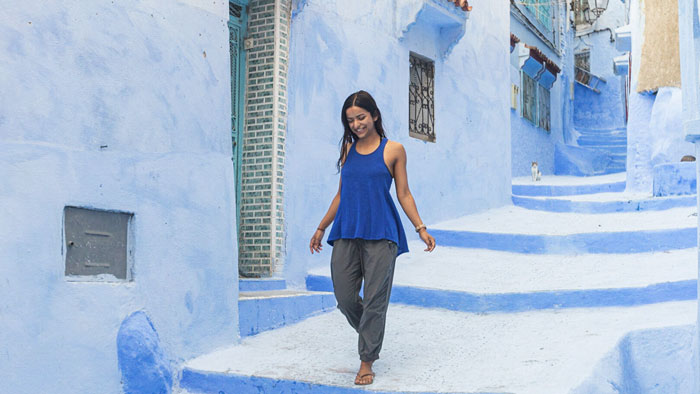
  • The Blue City: Chefchaouen is famous for its blue-painted streets and buildings. This picturesque town is located in the Rif Mountains and offers a peaceful retreat for solo travelers who want to explore narrow winding streets, visit the local markets, and hike nearby trails.
  • A Calm and Relaxing Vibe: Chefchaouen is perfect for those seeking a quiet escape. You can easily explore it on foot and enjoy the tranquil atmosphere while sipping mint tea in one of the cozy cafés.

Tips for Solo Travelers in Morocco

While Morocco is a welcoming country, it’s important to be mindful of some basic travel tips to ensure a smooth and enjoyable experience.

Dress Modestly: 

Morocco is a predominantly Muslim country, so it’s important to dress modestly, especially in smaller towns and rural areas. Women, in particular, should avoid wearing revealing clothing. Opt for loose-fitting clothes that cover your shoulders and knees.

Stay in Riads: 

A riad is a traditional Moroccan guesthouse that often has a central courtyard. Many riads in cities like Fes and Marrakech offer a cozy and intimate atmosphere, making them ideal for solo travelers. Many also have staff that can offer advice or arrange local tours.

Learn Some Basic Arabic or French: 

While English is spoken in some tourist areas, Arabic and French are the primary languages in Morocco. Learning a few basic phrases, like “Shukran” (thank you) or “Salam Alaykum” (hello), will go a long way in helping you communicate and connecting with locals.

Use Trusted Transport Options: 

While taxis are abundant in Morocco, it’s best to use official taxis or rideshare apps like Careem or Uber in cities where they are available. Always agree on the fare before getting into a taxi or ensure the meter is running.

Be Cautious in Souks: 

The souks can be overwhelming, especially for first-time visitors. Be prepared to haggle, but always do so respectfully. It’s common for shopkeepers to offer higher prices to tourists, so don’t be afraid to negotiate.

Stay Safe: 

As a solo traveler, it’s important to be aware of your surroundings, especially in crowded areas like Jemaa el-Fnaa or the souks. Keep your belongings close and be cautious of pickpockets. In rural or remote areas, consider hiring a local guide to enhance your experience and ensure your safety.

Solo Dining: 

Moroccan food is a highlight of any trip. While solo dining can be an enjoyable experience in Morocco, especially in the cozy cafés and street food stalls, some restaurants might offer a more communal atmosphere. Don’t hesitate to sit down, enjoy a tagine, and embrace the local culture.

The Magic of Solo Travel in Morocco

Morocco offers solo travelers an enriching experience that combines adventure, culture, and hospitality. Whether you’re wandering through the vibrant streets of Marrakech, camping under the stars in the Sahara Desert, or exploring the coastal beauty of Essaouira, Morocco is a destination that promises to leave you with unforgettable memories. By embracing the country’s traditions, engaging with its warm locals, and being mindful of local customs, your solo journey through Morocco will undoubtedly be a rewarding and transformative experience.

Solo travel for women in Morocco

Solo travel for women in Morocco can be an enriching and unforgettable experience, offering a deep dive into the country’s vibrant culture, stunning landscapes, and warm hospitality. While Morocco is generally safe for female travelers, it’s important to take certain precautions, such as dressing modestly, being aware of local customs, and staying in reputable accommodations. Cities like Marrakech, Fes, and Chefchaouen are popular among solo travelers, with bustling medinas, friendly locals, and well-trodden paths. However, navigating the souks and public spaces may come with occasional unwanted attention, so confidence and situational awareness go a long way. Traveling with a local guide, especially in remote areas or for desert excursions, can enhance safety and cultural understanding. Overall, with the right mindset and preparations, solo female travelers can enjoy Morocco’s rich history, breathtaking scenery, and delicious cuisine while forming meaningful connections along the way.

Ramadan Rituals and Traditions in Morocco

Ramadan Rituals and Traditions in Morocco

Ramadan Rituals and Traditions in Morocco

February 7, 2025  •  5 min read

Ramadan, the ninth month of the Islamic lunar calendar, is a time of spiritual reflection, self-discipline, and community in Morocco. It is considered the holiest month for Muslims worldwide, and in Morocco, it is observed with unique rituals, customs, and traditions that reflect the country’s rich cultural heritage and strong sense of family and community. From the pre-dawn meal to the evening celebrations, Moroccan Ramadan rituals are an important aspect of daily life during this sacred time.

The Significance of Ramadan in Morocco

Ramadan holds great significance in Moroccan society, as it does in other Muslim-majority countries. It is a time when Muslims fast from dawn until sunset, refraining from eating, drinking, smoking, and engaging in impure actions. Fasting is not only a form of worship but also a means of deepening one’s spirituality and empathy for the less fortunate. For many, it is a time to purify both the soul and body, strengthen family bonds, and reconnect with faith.

The end of Ramadan is marked by Eid al-Fitr, a grand celebration that brings families, friends, and communities together to mark the conclusion of a month of devotion and sacrifice.

Pre-Dawn Meal: Suhoor

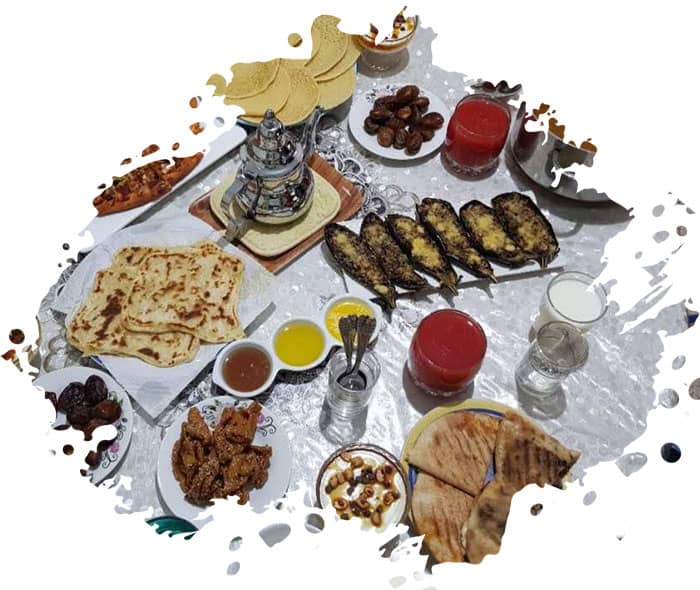
The day of fasting begins before dawn with the pre-dawn meal known as suhoor. In Morocco, this meal is crucial for sustaining energy throughout the day of fasting. Traditionally, it includes light and nutritious foods like bread, olives, yogurt, dates, and soups, accompanied by mint tea or milk. It is a time for families to gather before the day begins, sharing a peaceful moment before the fast starts at sunrise. The suhoor is often eaten at least an hour before Fajr (the day’s first prayer), ensuring everyone has the energy they need to last through the day.

The Call to Fasting: Fajr and the Importance of Intentions

Fajr marks the beginning of the fast at dawn, with the adhan (call to prayer) being heard throughout the country. The call signifies the time when all Muslims are required to abstain from food and drink until sunset. It is also the moment when many Moroccans renew their intention to fast, often with quiet personal prayers of gratitude, strength, and devotion. The fast is not only physical but also spiritual, requiring self-restraint and mindfulness throughout the day.

A Day of Reflection and Worship

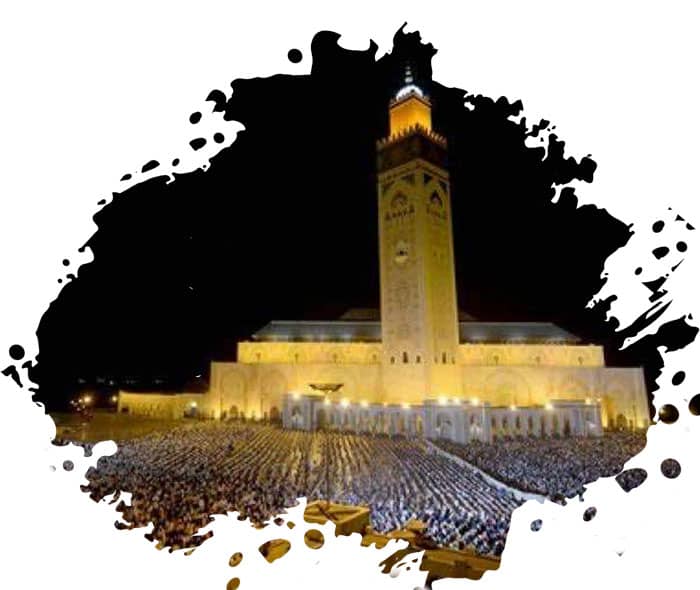
Throughout the day, Moroccan Muslims observe the fast with quiet reflection, prayers, and acts of charity. In Morocco, people engage in dhikr (remembrance of God), read the Qur’an, and attend the mosque for special Ramadan prayers, such as Taraweeh, which are performed after the Isha (night) prayer. It’s common for people to visit mosques for communal prayers, where the community comes together to pray for peace and blessings.

During Ramadan, Moroccans also take the opportunity to perform acts of charity, or sadaqah, supporting those in need. Many local communities organize food drives or distribute meals to the less fortunate, ensuring that no one goes without during this sacred time. The spirit of generosity is an integral part of Moroccan Ramadan traditions.

Breaking the Fast: Iftar

The moment that all Moroccans look forward to each day is the time for iftar — the evening meal that breaks the fast at sunset. The moment of breaking the fast is a beautiful tradition in Morocco, often marked by the sound of cannon fire or the adhan call. Families and friends gather around the table to share a bountiful meal. In Moroccan culture, it is customary to begin iftar with dates and a glass of water or milk, following the teachings of the Prophet Muhammad.

Following this, the meal typically includes harira, a hearty soup made from tomatoes, lentils, chickpeas, and meat. It’s a staple of Moroccan Ramadan meals and is known for being both nourishing and comforting. Alongside harira, you’ll often find fresh bread, olives, and chebakia — a delicious honey-sesame pastry.

Mint tea, often referred to as “Moroccan whisky,” is served throughout the evening, as is sfenj (Moroccan doughnuts), briouats (fried pastry filled with meat or cheese), and a variety of sweet and savory dishes. The iftar meal is not just about breaking the fast, but about reconnecting with family and community, enjoying the warmth of shared meals and laughter.

Experience Ramadan in Morocco – A Journey of Culture & Tradition!

Join us for an unforgettable cultural tour and experience the beauty of Moroccan traditions during Ramadan. Book now and be part of this unique spiritual journey!


Nighttime Celebrations and Socializing

Ramadan nights in Morocco are filled with vibrant social gatherings. After the iftar meal, families often gather for dessert and tea while enjoying conversation or watching traditional Ramadan TV shows. The evening is also the time for further prayers, especially the Taraweeh prayers, which are longer prayers performed at the mosque in the evenings. These prayers, led by an imam, include the recitation of large portions of the Qur’an.

The Moroccan Ramadan nights come alive with street vendors selling snacks, fruits, and drinks, and people stroll through the markets, enjoying the evening breeze. Many Moroccan cities and towns light up their streets with festive decorations, creating an atmosphere of joy and community. The Ramadan spirit is one of togetherness, and the streets are often filled with the sounds of chatter, laughter, and the clinking of glasses.

The Spirit of Charity: Zakat

During Ramadan, giving to the poor becomes even more significant. Moroccans typically pay zakat (almsgiving), one of the Five Pillars of Islam, during the month of Ramadan. This is a mandatory act of charity that helps those in need, ensuring that the less fortunate can also enjoy a special Ramadan. Many Moroccan families make special efforts to give to local mosques, charity organizations, or directly to individuals in their community.

Eid al-Fitr: The Grand Celebration

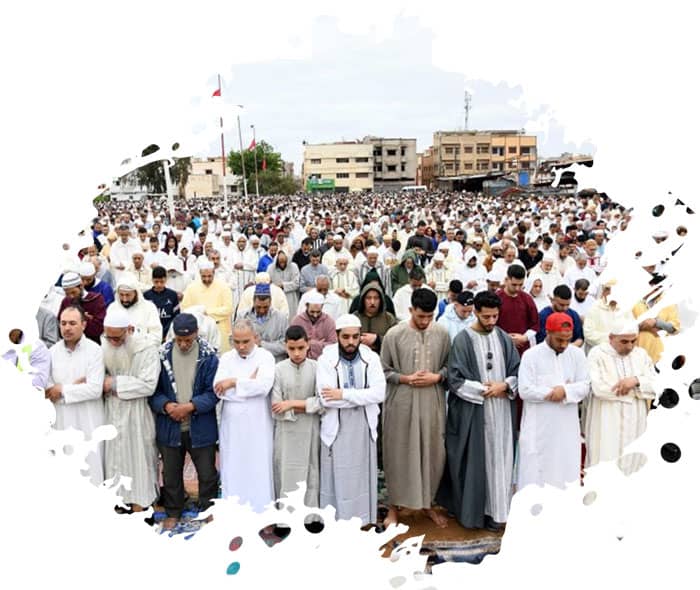
The culmination of Ramadan is marked by Eid al-Fitr, a grand celebration that is the most important holiday in Morocco. The day begins with a special prayer at the mosque, followed by a festive meal and time spent with family. It’s a time of immense joy and gratitude, where families gather to share lavish meals and exchange gifts. People wear their finest clothes, and there are often street parties and gatherings with friends and extended family.

One of the traditions of Eid is visiting the graves of loved ones to pray for their souls, a way of honoring the past while celebrating the present. The holiday is also marked by feasts, with special dishes such as lamb or chicken with almonds, couscous, and an array of sweets.

Conclusion

Ramadan in Morocco is a time of deep spiritual reflection, family bonding, and communal celebration. The customs and rituals that are practiced throughout the month reflect the importance of charity, faith, and unity in Moroccan society. From the pre-dawn meals to the grand celebrations of Eid al-Fitr, Ramadan provides a rich cultural and spiritual experience for Moroccans. It is a time to reconnect with faith, family, and community, and to reflect on the values of generosity, patience, and gratitude. Whether in bustling cities or quiet villages, the rituals and traditions of Ramadan are woven deeply into the fabric of Moroccan life, making it a truly unique and beautiful time to experience the country.

Related tours

Explore Fes and its traditions on a private tour

The Amazigh People of Morocco: Symbole of Tradition and Heritage

The Amazigh People of Morocco: Symbole of Tradition and Heritage

The Amazigh People of Morocco & Morocco People in General

October 14, 2024  •  15 min read

Quick answer: The Amazigh (often called Berbers) are the indigenous people of North Africa, with a history of over 5,000 years in the region. “Amazigh” means “free people” or “noble people”, while “Berber” was a term used by outsiders. Arabic and Amazigh are Morocco’s official languages.

Morocco, a country of diverse cultures, landscapes, and histories, is deeply shaped by its indigenous population, the Amazigh people. Known for their rich cultural heritage, the Amazigh (often referred to as Berbers) have been living in North Africa for thousands of years. Their traditions, language, and customs remain a vital part of Morocco’s identity today, contributing to its unique cultural tapestry.

1. Who are the Amazigh?

The Amazigh people are the indigenous inhabitants of North Africa, with a history that stretches back over 5,000 years. The term “Berber” was historically used by outsiders (mainly the Greeks and Romans), but the people themselves prefer the term Amazigh, meaning “free people” or “noble people.”

The Amazigh are not a homogeneous group but are made up of various tribes and communities spread across the Maghreb region, which includes Morocco, Algeria, Tunisia, Libya, Mali, and Niger. In Morocco, the Amazigh population makes up a significant portion of the country’s demographic, and their cultural influence is deeply woven into the nation’s traditions, art, music, and way of life.

Amazigh Morocco People

2. Amazigh History: A Legacy of Resilience

The Amazigh people have a long and resilient history, marked by their ability to maintain their cultural identity despite the influence of numerous invaders and civilizations. They have inhabited the mountainous and desert regions of North Africa since prehistoric times and have been known for their fierce independence and adaptability to different environments.

Pre-Islamic Era

Long before the Arab-Muslim conquests of the 7th century, the Amazigh people had developed a highly sophisticated culture and society. They were known for their mastery of agriculture, trade, and architecture. The Amazigh engaged in trade across the Mediterranean and Sahara, establishing connections with ancient Egyptians, Phoenicians, Greeks, and Romans.

During the Roman period, some Amazigh tribes allied with the Romans, while others resisted foreign rule, maintaining their autonomy in the Atlas Mountains and the Sahara Desert. The famous Queen Kahina, a legendary Amazigh warrior-queen, became a symbol of resistance against the Arab-Muslim expansion in North Africa in the late 7th century.

The Arrival of Islam

The Arab conquest in the 7th century brought Islam to North Africa, which the Amazigh people eventually embraced, blending it with their cultural practices. While the majority converted to Islam, they maintained many of their pre-Islamic traditions and customs. Over time, the Amazigh played a pivotal role in the spread of Islam, particularly during the reign of the Almoravid and Almohad dynasties, both of which were founded by Amazigh tribes.

Colonialism and Modern History

During the colonial period in the 19th and 20th centuries, European powers (primarily France and Spain) imposed their rule over Morocco, creating tensions within Amazigh communities. Despite this, the Amazigh people continued to preserve their culture, language, and traditional way of life. In post-independence Morocco, the Amazigh people have worked to assert their identity and rights within the national framework.

In 2011, the Amazigh language, Tamazight, was officially recognized as the official language of Morocco, marking a significant milestone in their history of cultural preservation.

Discover the Heart of Morocco – Embrace the Amazigh Spirit

Step into a world of ancient traditions, vibrant culture, and timeless heritage. Join us on a journey through Morocco to connect with the proud Amazigh people — guardians of the mountains, deserts, and ancestral wisdom.
Book your cultural experience today and uncover the soul of Amazigh Morocco!

3. Amazigh Language: Tamazight

One of the most defining aspects of Amazigh identity is their language, Tamazight. It is part of the Afro-Asiatic language family and has several dialects spoken across different regions of Morocco, including Tashelhit, Tamazight (Central Atlas), and Tarifit (Northern Rif). These dialects reflect the diversity within the Amazigh communities themselves.

The Tifinagh Script

The Amazigh language has its unique script, Tifinagh, which has been used for centuries. The script is characterized by its geometric shapes and was historically used by the Tuareg people of the Sahara. Today, Tifinagh has been modernized and is taught in schools as part of efforts to revive and preserve the Amazigh language.

While Tamazight is now recognized as an official language, its inclusion in education and the public sphere has been a gradual process. Many Amazigh people are bilingual or trilingual, speaking Tamazight, Darija (Moroccan Arabic), and often French.

4. Amazigh Culture and Traditions

The Amazigh culture is rich and multifaceted, deeply connected to the land and environment of Morocco. Their traditions reflect a strong sense of community, spirituality, and resilience, passed down through oral histories, music, craftsmanship, and festivals.

Music and Dance

Amazigh music is an integral part of their cultural identity, with each region having its unique style. Traditional instruments include the bendir (a type of frame drum), ghaita (a type of reed flute), and lotar (a lute-like instrument). Music is often accompanied by dancing, and one of the most famous Amazigh dances is the Ahwach, performed during communal celebrations and festivals.

Another popular dance is the Ahouach and Ahidus, where dancers form circles, moving rhythmically to the beat of the drums and chanting poetry. These dances are not just a form of entertainment but are a way of expressing communal unity and cultural pride.

Morocco people (people of Morocco)

Clothing and Jewelry

Amazigh traditional clothing is distinct and colorful, often made from wool or cotton and adorned with intricate embroidery. Women’s garments, especially in rural areas, feature brightly colored capes and headscarves, while men wear djellabas or burnooses (hooded cloaks).

Amazigh women are also known for their elaborate silver jewelry, which often features geometric patterns and semi-precious stones like coral, amber, and turquoise. These pieces are not just decorative but carry symbolic meanings related to fertility, protection, and social status.

amazigh people of Morocco (traditional clothing)

Amazigh Festivals

One of the most important festivals in Amazigh culture is Yennayer, the Amazigh New Year, celebrated in January. It marks the beginning of the agricultural calendar and is a time for family gatherings, feasts, and traditional songs. The festival reflects the Amazigh connection to the land and the cycles of nature.

Another significant event is the Imilchil Marriage Festival, held in the Atlas Mountains. It is a traditional Amazigh festival where members of the Ait Hadiddou tribe gather to celebrate love, marriage, and cultural heritage. Couples from the tribe come together to be married in a collective ceremony, symbolizing the importance of community in Amazigh life.

amazigh people of Morocco (wedding ceremony)

5. Amazigh Contribution to Moroccan Society

The Amazigh people have made significant contributions to Moroccan society, shaping the country’s art, architecture, politics, and even its cuisine. Their influence is evident in many aspects of daily life in Morocco.

Architecture

Amazigh architecture is one of the most enduring legacies of their culture. The Kasbahs and Ksours (fortified villages) found throughout the Atlas Mountains and Sahara Desert are iconic symbols of Amazigh ingenuity. These structures, built from earth and clay, are designed to withstand the harsh climate of the desert, reflecting the Amazigh people’s deep understanding of their environment.

Perhaps the most famous example of Amazigh architecture is the Ait Benhaddou, a UNESCO World Heritage site. This ksar (fortified village) near Ouarzazate showcases the traditional Amazigh building techniques, with its earthen structures blending seamlessly into the surrounding landscape.

Cuisine

Amazigh cuisine is hearty and flavorful, often centered around locally sourced ingredients like grains, vegetables, and meat. One of the most iconic Amazigh dishes is Tajine, a slow-cooked stew made with meat, vegetables, and spices. Couscous, another staple of Amazigh cuisine, is traditionally prepared on Fridays as part of communal family meals.

Herbs and spices such as cumin, coriander, and saffron are frequently used, reflecting the Amazigh’s deep connection to the land and its natural bounty.

Handicrafts

The Amazigh are renowned for their handicrafts, particularly weaving, pottery, and jewelry making. Amazigh rugs, often handwoven by women, feature bold geometric designs and are sought after for their quality and craftsmanship. Each rug tells a story, with patterns and symbols that hold personal and cultural significance.

Amazigh Identity in Modern Morocco

In modern Morocco, the Amazigh people continue to assert their cultural identity and fight for their rights within the broader national context. The recognition of Tamazight as an official language in 2011 was a major victory for the Amazigh cultural movement, and efforts to preserve and promote Amazigh culture have gained momentum in recent years.

Various cultural associations and NGOs are working to revive Amazigh traditions, language, and history through education, festivals, and media. In cities like Fes, Marrakech, and Rabat, Amazigh culture is increasingly celebrated as a vital part of Morocco’s national identity.

The Amazigh Legacy

The Amazigh people have played a central role in shaping the cultural and historical landscape of Morocco. Their rich heritage, reflected in their language, traditions, music, and craftsmanship, continues to thrive in the face of modernization and globalization. As Morocco moves forward, the Amazigh community’s enduring legacy serves as a reminder of the country’s deep-rooted diversity and the importance of preserving cultural identities.

For those traveling to Morocco, exploring Amazigh culture offers a deeper understanding of the country’s rich heritage, revealing a people whose resilience and pride have helped define the very essence of Morocco.

Experience Amazigh Culture in Morocco

Exploring Amazigh culture is an important part of understanding Morocco’s heritage. Travelers can discover traditional villages, local architecture, regional food, and mountain landscapes through cultural experiences in the Atlas Mountains and beyond. If you want to experience Moroccan traditions firsthand, explore our Morocco tours to find an itinerary that matches your interests.

Experience Amazigh Morocco

Journey into the High Atlas and Sahara to connect with Morocco’s ancient Amazigh traditions and local culture.

What You Should Know About Morocco People in General?

morocco people

Morocco is a country rich in culture, history, and diversity. Located in the northwest corner of Africa, it stretches from the Mediterranean coast and the Atlantic Ocean to the sands of the vast Sahara Desert. With a population of nearly 36 million, Morocco’s beauty isn’t just in its landscapes; it’s in its people.

The Morocco people are a living reflection of the country’s deep heritage and regional variety. From the bustling cities of Casablanca and Rabat to the remote villages in the Atlas Mountains and the dunes of the Sahara, the people of Morocco are as diverse as the lands they inhabit.

The Amazigh People of Morocco

Long before the Arabs arrived, the Amazigh people were already living across Morocco. Today, they represent a significant part of the population and are spread across various regions:

  • Riffians in the north, around the Rif Mountains

  • Chleuhs (Shilha) in the southwest

  • Soussi Berbers around the Souss Valley

  • High Atlas Berbers, who inhabit the central mountain ranges

Each group has its own dialect, traditions, dress, and customs, yet all share a deep connection to the land and a fierce pride in their identity.

Arabs in Morocco: A Legacy Since the 8th Century

Arab migration began in the 7th and 8th centuries during the Islamic expansion. These newcomers settled mostly in the plains and coastal regions, introducing Islam and the Arabic language. Over time, their influence merged with local Amazigh culture, forming the foundation of modern Moroccan society. Today, most Morocco people identify with both Arab and Amazigh roots in one way or another.

Moroccan People by Region: A Cultural Tapestry

The people of Morocco are often defined not only by their ethnicity but also by the regions they come from. Each part of the country offers its own rhythm of life, cultural expression, and social norms.

  • Northern Morocco (Tangier, Tetouan, Chefchaouen): Influenced by Andalusian and Mediterranean cultures. Spanish is commonly spoken, and the architecture reflects Moorish roots.

  • Eastern Morocco (Oujda, Berkane): Known for their conservative traditions and strong community bonds.

  • Central Morocco (Fes, Meknes): The spiritual and intellectual heartland. Home to ancient universities, artisans, and religious scholars.

  • Western Morocco (Casablanca, Rabat, El Jadida): Urban, cosmopolitan, and economically vibrant. This region reflects the modern side of Morocco.

  • Southern Morocco (Agadir, Guelmim, Sahara Desert regions): Known for desert hospitality and Sahrawi traditions. Nomadic roots and camel caravans still play a role in the cultural identity.

  • Mountain Regions (Atlas & Rif Mountains): Rugged and traditional. Life revolves around agriculture, herding, and tight-knit village communities.

moroccan people

The Character of Moroccan People

What makes Moroccan people stand out is their unique ability to blend tradition with modernity. You’ll see a grandmother teaching her grandchild ancient Amazigh proverbs while scrolling through her phone; a young entrepreneur launching a start-up in Rabat who still honors Friday couscous rituals.

Moroccans are famously hospitable. It’s not just a cultural expectation; it’s a way of life. Guests are treated like royalty, and visitors are often welcomed into homes to share mint tea, homemade bread, and heartfelt stories. Even if someone looks distant or serious at first, it often only takes a few words to break the ice and receive a warm smile, or even an invitation to dinner.

Tolerance and Coexistence in Moroccan Society

Morocco is often cited as a model of coexistence. Here, Muslims, Jews, Christians, and even non-religious people have lived side by side for centuries. The country follows Sunni Islam predominantly, but with a long-standing tradition of spiritual tolerance.

Whether you walk through a souk in Marrakech or wander through the alleys of Essaouira, you’ll feel this coexistence in the atmosphere. Moroccan society is built on mutual respect, whether among different religious groups or between the modern and the traditional.

Language: A Multilingual Nation

Most Moroccan people are fluent in more than one language. Arabic is the official language, and Moroccan Arabic (Darija) is widely spoken in daily life. Amazigh languages, such as Tarifit, Tachelhit, and Tamazight, are recognized and protected.

French is widely used in education, administration, and business, while Spanish is common in the north. English is gaining ground fast, especially among the youth.

This linguistic richness shows how open and adaptive Morocco people are. Their ability to learn and switch between languages with ease reflects centuries of cultural openness and education.

Moroccan Traditions and Daily Life

Traditional Moroccan life values family, community, and religious devotion. But don’t think of it as rigid, Moroccans have a way of embracing the new without abandoning the old. Whether it’s how they celebrate weddings or prepare tea, there’s always a balance between honoring ancestors and embracing the future.

When it comes to food, you’ll see this cultural fusion on every plate. Couscous, tagine, pastilla, and harira are not just meals, they’re memories, heritage, and celebration. And yes, Moroccans often eat with their hands, especially using bread as a utensil. But always with the right hand, as a sign of respect and cleanliness.

Traditional vs. Modern Moroccans

It’s also worth noting that there are different types of Moroccan people when it comes to lifestyle and mindset:

  • Traditional Moroccans: You’ll find them mostly in rural areas and older generations. They hold firmly to customs, wear traditional clothing, and lead community-centered lives.

  • Modern Moroccans: Typically urban, tech-savvy, globally aware. They embrace change but remain deeply proud of their identity.

The magic of Morocco lies in how these two worlds coexist, sometimes in the same household. It’s not a contradiction; it’s a balance.

The Soul of Morocco Lies in Its People

At the heart of Morocco’s beauty are its people. Whether you’re wandering the labyrinthine alleys of Fes or watching the stars in the Sahara, the human connection is what stays with you. The generosity, the kindness, the pride in culture, and the ability to make you feel at home, even if you’re a complete stranger.

So, if you’re planning a trip, don’t just come for the landscapes or the architecture. Come to meet the Morocco people. Talk to them, share a meal, laugh over tea. It’s in these moments that you’ll truly understand what makes Moroccan people so unforgettable.

FAQs About Moroccan People

1. Who are the Moroccan people?

Moroccan people are the citizens of Morocco, a diverse nation located in North Africa. They are mainly made up of Arab and Amazigh (Berber) ethnic groups, with a rich cultural heritage influenced by centuries of history, including African, Andalusian, Arab, French, and Spanish elements.

2. Are Morocco people friendly to tourists?

Yes! Moroccan people are famously warm, hospitable, and generous. It’s common for locals to invite visitors into their homes for tea or a meal. Hospitality is deeply rooted in Moroccan culture and is considered a sacred tradition passed down through generations.

3. What languages do Moroccan people speak?

Most Moroccan people are multilingual. The official languages are Arabic and Amazigh (Berber), but French is widely spoken, especially in cities. In the north, many people speak Spanish, while English is increasingly spoken among the younger generation.

4. Is there a difference between Arab and Berber Moroccans?

Yes, historically. Arabs and Berbers (Amazigh) have different linguistic and cultural roots. Berbers are the indigenous people of Morocco, with their own languages and traditions. Arabs arrived in the 8th century, bringing Islam and the Arabic language. Today, many Morocco people have mixed ancestry and share both identities.

5. How do Moroccan people dress?

Traditional Moroccan attire includes garments like the djellaba (a long robe), kaftan for women, and babouches (leather slippers). However, in cities, modern clothing is common. Moroccan people balance tradition and modernity, what they wear often depends on the occasion and the region.

6. What religion do Moroccan people follow?

The majority of Moroccan people are Sunni Muslims, and Islam plays a central role in daily life. That said, Morocco is known for its religious tolerance and has historically hosted Jewish, Christian, and secular communities in peaceful coexistence.

7. Do Moroccan people eat with their hands?

Yes, it’s traditional for Moroccan people to eat many dishes, like tagine and couscous, with their right hand using bread instead of utensils. This is a cultural practice, particularly in family meals and traditional settings.

8. Are there cultural differences between Morocco people in different regions?

Absolutely. Morocco’s regional diversity is one of its greatest strengths. From the blue city of Chefchaouen in the Rif Mountains to the nomadic communities of the Sahara, Moroccan people express their identity through different dialects, food, dress, music, and customs.

9. Are Moroccan people conservative or open-minded?

Both. Morocco people value tradition and family, but they are also known for their open-mindedness and adaptability. In big cities like Casablanca, Rabat, and Marrakech, you’ll find a modern, progressive mindset, while rural areas tend to be more conservative.

10. Can I communicate easily with Moroccan people as a tourist?

Yes. Even if you don’t speak Arabic or French, you’ll find many Moroccan people eager to communicate. Gestures, smiles, and a few words of Darija or French often go a long way. In tourist areas, English is commonly understood.

11. Are Moroccan people good at learning languages?

Yes! Moroccan people are naturally multilingual. Most speak at least two or three languages fluently. Their exposure to Arabic, Amazigh, French, Spanish, and English makes them highly adaptable in communication.

12. What values are important to Moroccan people?

Family, respect, hospitality, loyalty, and faith are core values. Moroccan people are raised with strong moral codes, and respect for elders, guests, and cultural traditions is deeply ingrained.

Discover the Heart of Morocco – Embrace the Amazigh Spirit

Step into a world of ancient traditions, vibrant culture, and timeless heritage. Join us on a journey through Morocco to connect with the proud Amazigh people — guardians of the mountains, deserts, and ancestral wisdom.
Book your cultural experience today and uncover the soul of Amazigh Morocco!

Meet Amazigh culture in person

See Amazigh villages and traditions on the Ourika Valley day trip or browse our tours from Marrakech. Read more about Berber culture and traditions, Moroccan wedding traditions and Moroccan sweets.

Related tours

Meet Amazigh villages and traditions on a private tour from Marrakech

error: Content is protected !!