Select Page
What to Pack for an Overnight Sahara Desert Tour: The Complete Morocco Desert Packing Guide

What to Pack for an Overnight Sahara Desert Tour: The Complete Morocco Desert Packing Guide

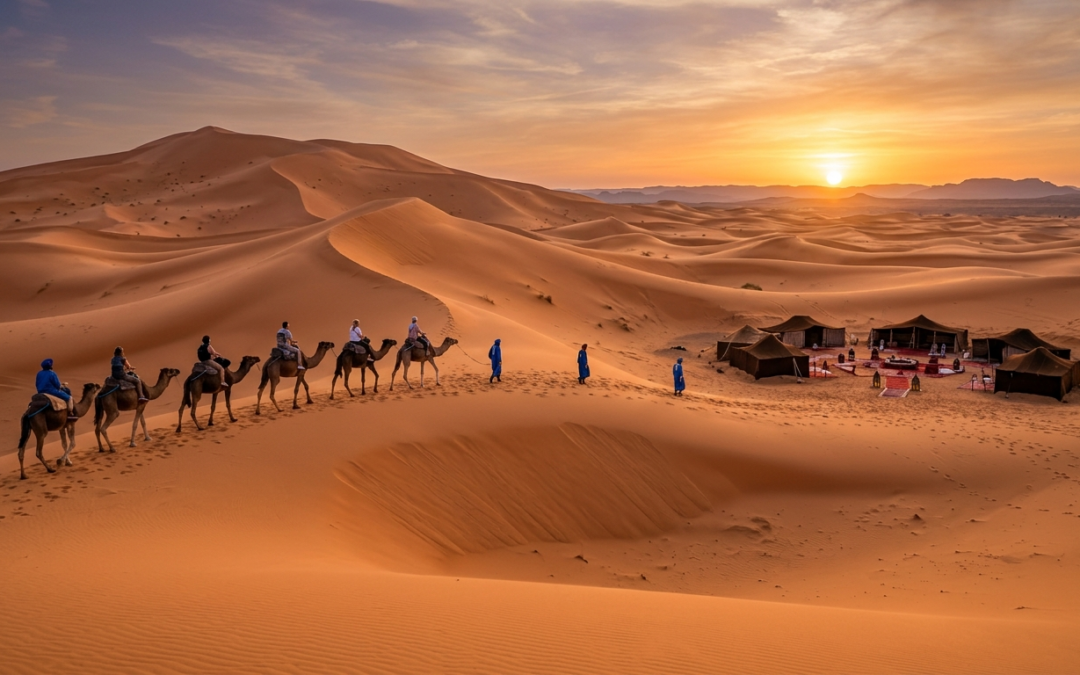
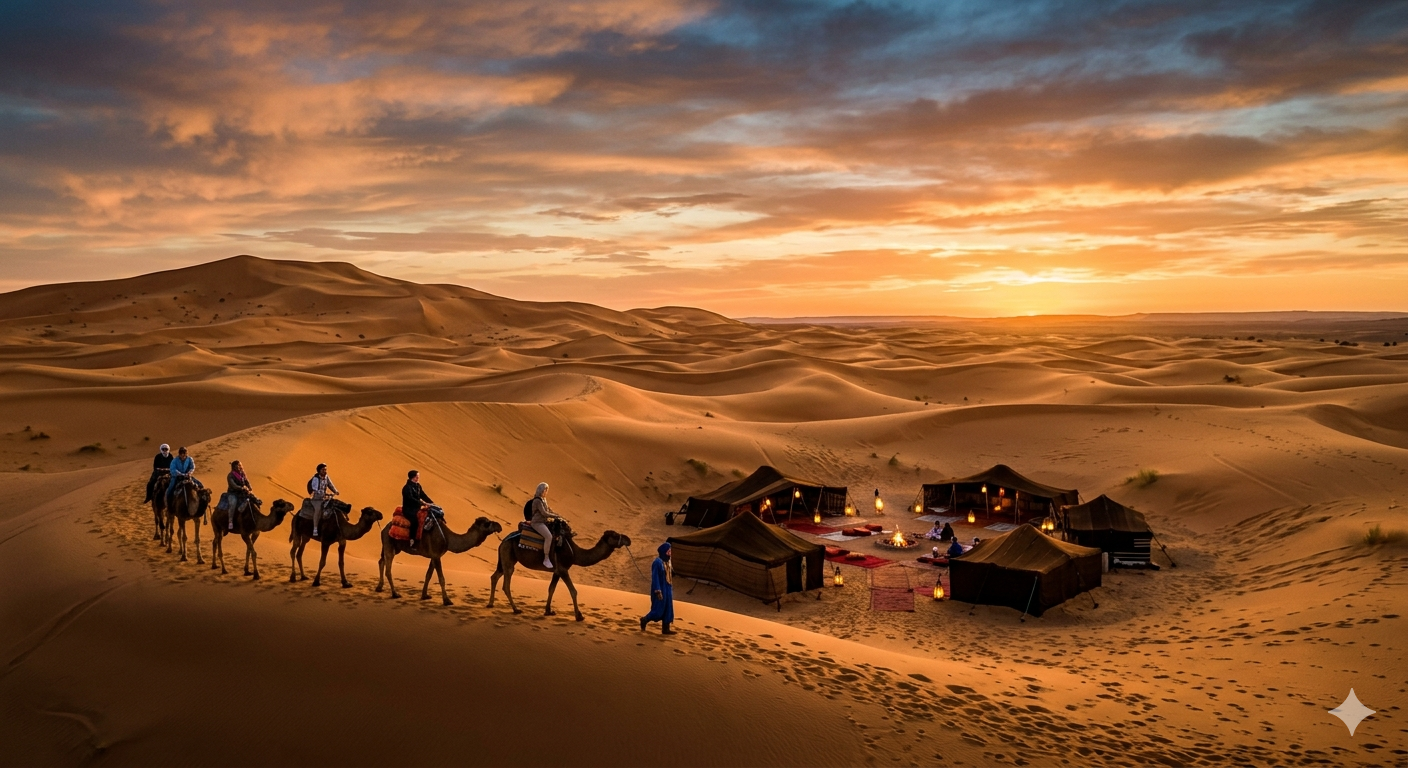
Planning an overnight trip to the magical dunes of the Sahara Desert is one of the most unforgettable experiences in Morocco. Travelers from around the world come to see golden dunes, ride camels across the sand, and sleep under a sky full of stars. Most desert tours take place near the famous dunes of Erg Chebbi close to the village of Merzouga.

However, because the desert climate is unique—very hot during the day and cold at night—packing properly is essential for a comfortable trip.

In this complete guide, you will learn what to pack for an overnight Sahara desert tour, including clothing, essential items, travel gear, and practical tips based on real travel experience in Morocco.
Understanding the Climate of the Sahara Desert

Before creating your packing list, it is important to understand the desert climate.

The weather in the Sahara changes dramatically between day and night.

 Daytime Temperatures

During the day, temperatures in areas like Merzouga can reach 30°C to 45°C (86°F to 113°F) depending on the season.

Cold Desert Nights

At night, temperatures can drop significantly. Even in warmer months, nights can feel chilly, and during winter the temperature may fall below 5°C (41°F).

 Wind and Sand

Desert winds may create sandstorms or strong gusts, especially in open dune areas like Erg Chebbi.

Because of these conditions, packing smartly will make your experience far more comfortable.

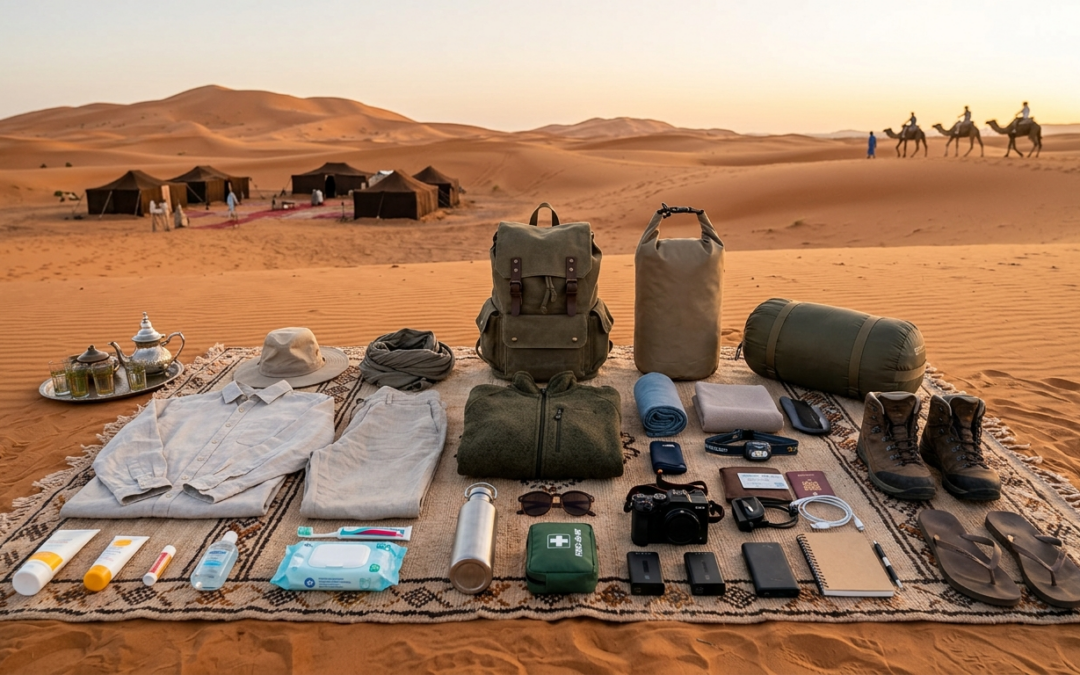
 Essential Clothing for an Overnight Sahara Desert Tour

Clothing is one of the most important parts of your packing list when visiting the Sahara Desert.

Lightweight Long-Sleeve Shirts

Long-sleeve shirts are ideal for protecting your skin from the sun while keeping you cool. Breathable fabrics like cotton or linen work best.

 Comfortable Pants or Loose Trousers

Loose trousers help protect your legs from sunburn and sand while still allowing airflow.

 Warm Jacket or Sweater

Many travelers underestimate how cold the desert can get at night. A warm jacket or fleece is essential when staying overnight in a desert camp.

 Scarf or Desert Head Wrap

A scarf is extremely useful in the Sahara. It protects your face from sun exposure and blowing sand during camel rides across the dunes.

Comfortable Walking Shoes

Closed shoes or lightweight hiking shoes are ideal when walking on sand or exploring desert areas around Merzouga.

 Sun Protection Essentials

The desert sun can be intense, especially during camel trekking or walking through the dunes.

: Sunglasses

High-quality sunglasses protect your eyes from strong UV rays reflecting off the sand.

 Sunscreen

Use sunscreen with SPF 30 or higher. Apply it regularly throughout the day.

 Wide-Brim Hat

A hat provides extra protection against direct sunlight and helps prevent dehydration.

Personal Essentials for a Sahara Desert Trip

When deciding what to pack for an overnight Sahara desert tour, remember that desert camps are located far from cities.

Reusable Water Bottle

Staying hydrated is essential in the desert climate.

 Wet Wipes and Hand Sanitizer

Desert camps sometimes have limited running water, so wipes and sanitizer are extremely useful.

 Small Backpack

A small daypack makes it easier to carry essentials during camel trekking.

 Toiletries

Bring basic toiletries such as toothbrush, toothpaste, lip balm, and moisturizer.

 Electronics and Photography Gear

The Sahara Desert offers some of the most stunning landscapes in Morocco, making it a dream destination for photographers.

 Camera or Smartphone

The golden dunes of Erg Chebbi are especially beautiful during sunrise and sunset.

 Power Bank

Electricity may be limited at desert camps, so a portable charger is highly recommended.

Flashlight or Headlamp

Desert camps are often very dark at night. A flashlight helps you move safely around the camp.

Optional Items That Improve Your Desert Experience

These items are not essential but can make your overnight desert tour more enjoyable.

 Sandals or Flip-Flops

Useful for relaxing around camp after removing your shoes filled with sand.

 Travel Pillow

Camel trekking and long drives to places like Merzouga can be tiring, so a small pillow may help you rest.

 Notebook or Journal

Many travelers enjoy writing about their experience under the quiet desert sky.

What NOT to Pack for a Desert Tour

Packing light is very important during desert trips.

Avoid bringing:

  • Heavy suitcases

  • Expensive jewelry

  • Too many clothing items

  • Fragile electronics

Most travelers only need a small backpack for the overnight trip.

 Seasonal Packing Tips for the Sahara Desert

The best packing strategy depends on the time of year you visit the Sahara Desert.

Summer (June – August)

  • Very hot during the day

  • Light breathable clothing is essential

  • Extra sunscreen and water recommended

 Winter (December – February)

  • Cold desert nights

  • Warm jacket, gloves, and scarf recommended

 Spring and Autumn

These seasons offer the most comfortable weather for visiting areas like Merzouga.

 Typical Experience of an Overnight Desert Tour

Understanding how desert tours work can help you pack smarter.

Most tours include:

  • Camel trekking through the dunes

  • Sunset views in the Sahara Desert

  • Traditional dinner at a desert camp

  • Berber music around the fire

  • Stargazing in the desert

  • Sunrise over the dunes

Because of these activities, comfortable clothing and essential items are important.

 Expert Travel Tips for Visiting the Sahara Desert

Based on travel experiences across Morocco, here are some expert tips:

 Pack Light

You will likely carry your belongings on a camel during the trek.

 Protect Electronics from Sand

Use protective cases or zip bags to keep sand away from your devices.

 Drink Plenty of Water

The dry desert air can cause dehydration quickly.

 Respect Local Culture

When visiting villages near Merzouga, modest clothing is appreciated.

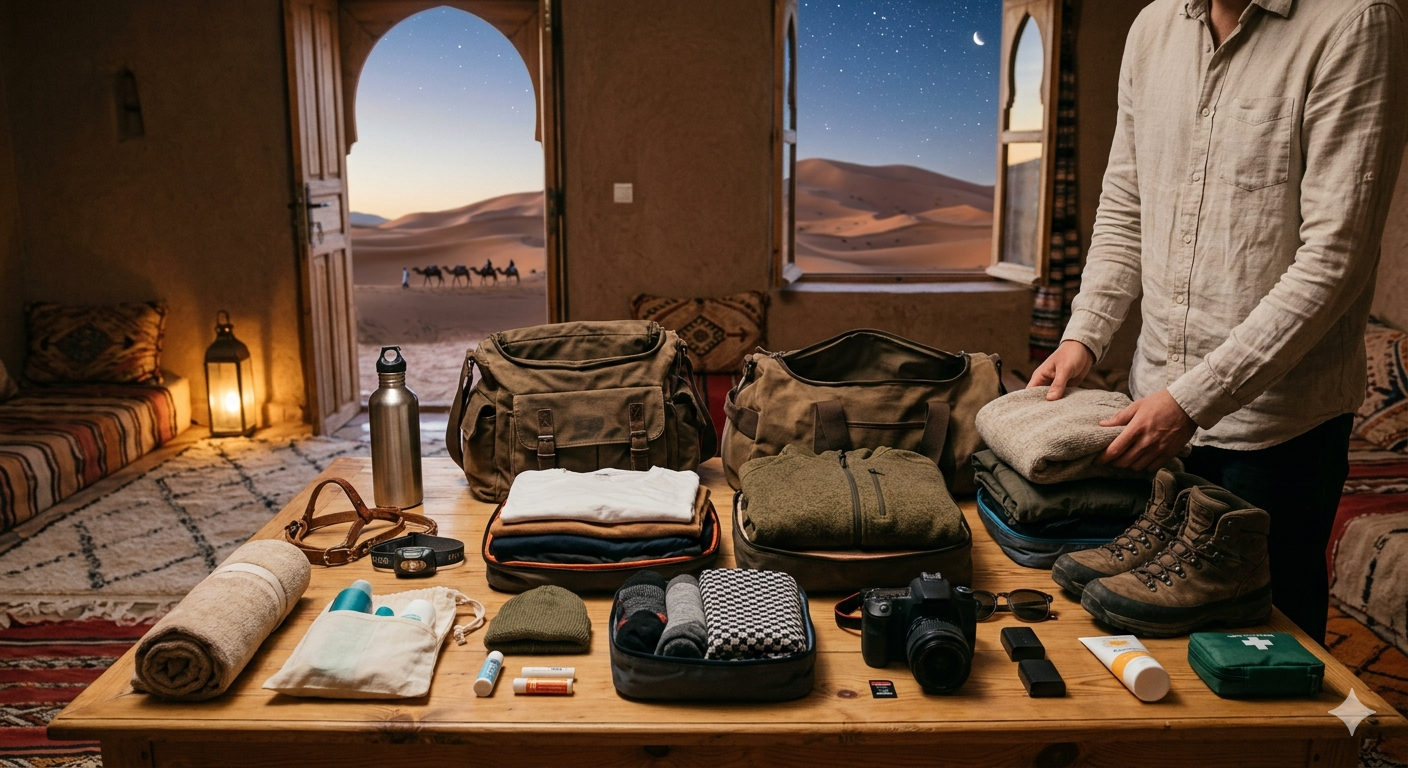
 Final Packing Checklist for an Overnight Sahara Desert Tour

Here is a simple checklist to help you remember everything.

Clothing

  • Lightweight long sleeves

  • Comfortable trousers

  • Warm jacket

  • Scarf or head wrap

  • Walking shoes

Essentials

  • Sunscreen

  • Sunglasses

  • Hat

  • Water bottle

  • Toiletries

Extras

  • Camera

  • Power bank

  • Flashlight

  • Wet wipes

  • Small backpack

Knowing what to pack for an overnight Sahara desert tour can make a huge difference in your comfort and overall experience. With the right clothing, sun protection, and essential items, your adventure in the breathtaking dunes of the Sahara Desert will be both enjoyable and unforgettable.

Whether you are riding camels through the golden dunes of Erg Chebbi or watching the sunrise near Merzouga, being well prepared ensures that you can fully enjoy one of Morocco’s most incredible travel experiences.

1. Is it cold at night in the Sahara Desert?

Yes. Even though the desert can be extremely hot during the day, temperatures drop significantly at night, especially in winter. A warm sweater or jacket is highly recommended.

2. Should I bring cash to the Sahara desert?

Yes. Small amounts of cash are useful for tips, drinks, or souvenirs in villages near Merzouga.

3. Are there bathrooms in Sahara desert camps?

Most standard and luxury camps have bathrooms, but facilities vary depending on the camp location in areas like Erg Chebbi.

4. Should I bring a scarf or turban for the desert?

Yes. A scarf or desert turban helps protect your face from wind and sand during camel rides across the dunes near Erg Chebbi.

5. Can I charge my phone in a desert camp near Merzouga?

Some luxury camps offer electricity, but power can be limited. Bringing a portable power bank is recommended.
Roman Ruins in Morocco: Discover the Ancient Roman Heritage of North Africa

Roman Ruins in Morocco: Discover the Ancient Roman Heritage of North Africa

Morocco is widely known for its vibrant medinas, stunning landscapes, and deep cultural heritage. However, many travelers and history enthusiasts are surprised to discover that the country also holds some of the best-preserved Roman ruins in North Africa. These ancient archaeological sites reveal a fascinating chapter of Moroccan history when the Roman Empire expanded into the region known as Mauretania Tingitana.

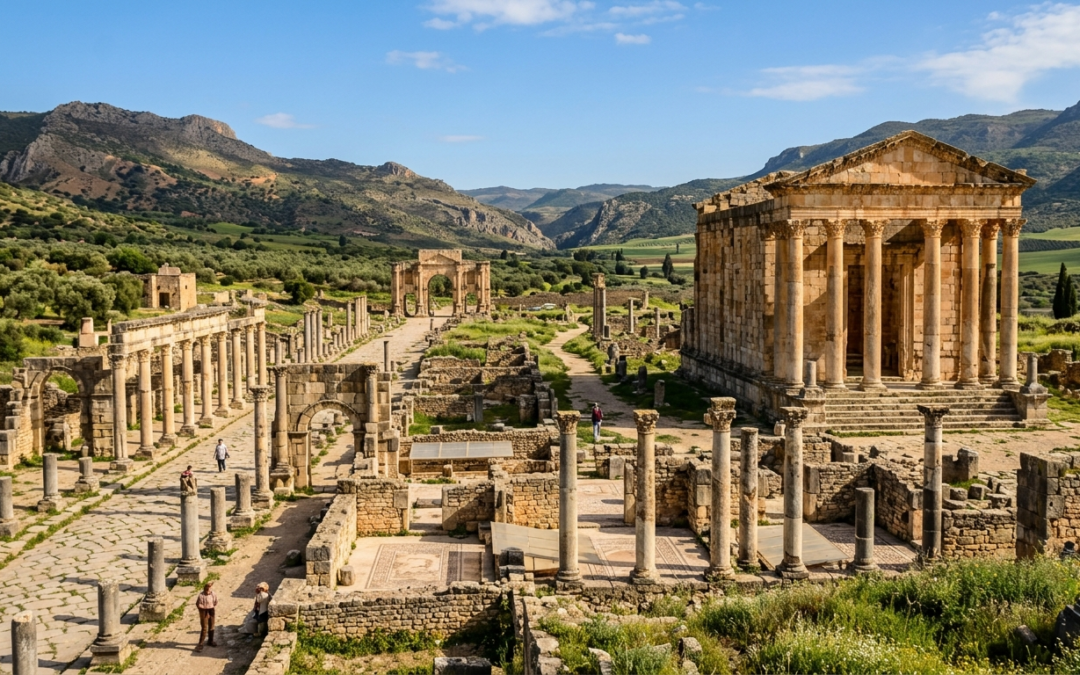
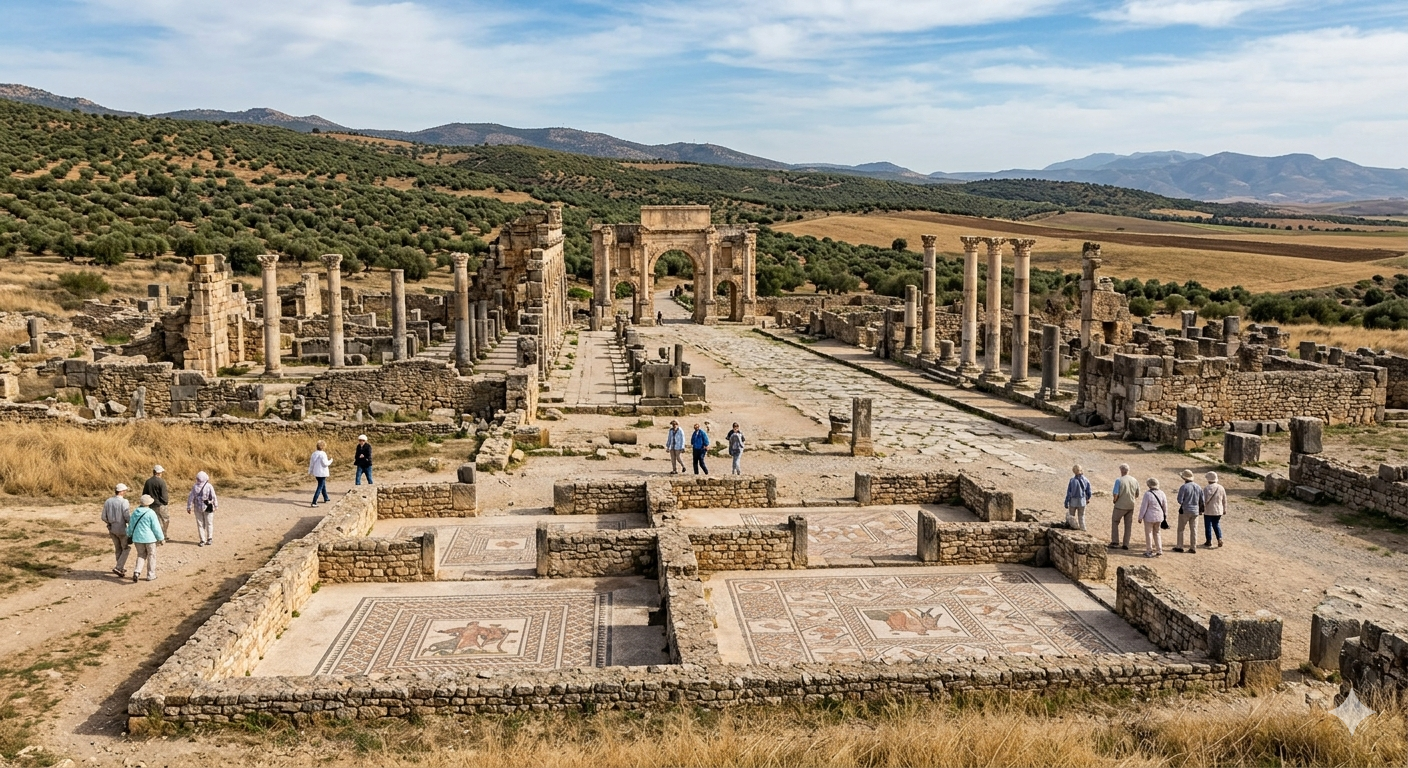
Among the most impressive sites is Volubilis, a remarkably preserved Roman city located near Meknes and not far from Fez. Recognized as a UNESCO World Heritage Site, Volubilis provides a vivid glimpse into Roman life through its mosaics, temples, basilicas, and triumphal arches.

This guide explores the history, architecture, and cultural importance of Roman ruins in Morocco, offering insights for travelers, students, and history lovers interested in the legacy of the Roman Empire in North Africa.

The History of Roman Presence in Morocco

Morocco During the Roman Empire

Before Roman influence, Morocco was home to Berber kingdoms. The region eventually became part of the Roman province known as Mauretania Tingitana. This province was established during the reign of the Roman Emperor Claudius in the first century AD.

The Romans did not conquer the entire territory of modern Morocco. Instead, they controlled key cities and agricultural regions that were important for trade and food production. Roman settlements became centers of administration, commerce, and cultural exchange between the Roman world and local Berber communities.

Strategic Importance of North Africa

North Africa was extremely valuable to the Roman Empire for several reasons:

  • Fertile agricultural land

  • Strategic Mediterranean trade routes

  • Military defense against tribes beyond the empire’s borders

Cities in Morocco became important producers of olive oil, grain, and livestock, which were exported throughout the Roman Empire.


Volubilis – The Most Famous Roman Ruins in Morocco

 Overview of the Ancient City

Volubilis is considered the best preserved Roman archaeological site in Morocco. Founded as a Berber settlement, the city later developed into a thriving Roman municipal town.

At its peak during the 2nd and 3rd centuries AD, Volubilis had thousands of residents and served as a major agricultural and commercial center.

 Why Volubilis Became a UNESCO World Heritage Site

In 1997, UNESCO designated Volubilis a World Heritage Site due to:

  • Exceptional preservation of Roman architecture

  • Unique Roman mosaics

  • Historical significance in North African history

  • Evidence of Roman-Berber cultural interaction

The site today attracts archaeologists, historians, and tourists from around the world.


Key Attractions in Volubilis

 The Triumphal Arch of Caracalla

One of the most recognizable monuments in Volubilis is the triumphal arch dedicated to the Roman emperor Caracalla.

 Historical significance

The arch was built in 217 AD to honor the emperor and his mother. It symbolized Roman power and prosperity in the region.

Visitors today often take photographs beneath the arch, which stands as a powerful reminder of Roman influence in Morocco.


Roman Mosaics

Volubilis contains some of the most beautiful Roman mosaics in North Africa.

 Famous mosaic themes

Many mosaics depict scenes from Roman mythology such as:

  • Roman gods and goddesses

  • Hunting scenes

  • Daily Roman life

  • Mythological creatures

These mosaics were typically found in wealthy Roman homes, demonstrating the prosperity of Volubilis residents.


 The Basilica and Forum

The Basilica was the center of political and legal activities in the city.

 Civic life in Volubilis

Roman citizens gathered here to:

  • Conduct legal trials

  • Discuss political matters

  • Participate in public ceremonies

Nearby was the Forum, the central square where markets and social gatherings occurred.


 Other Roman Archaeological Sites in Morocco

Although Volubilis is the most famous, several other Roman sites exist in Morocco.

 Lixus

Lixus is one of the oldest archaeological sites in Morocco.

 Historical importance

The site was originally founded by Phoenicians before becoming a Roman city. It was famous for its garum production, a fermented fish sauce widely exported across the Roman Empire.


 Tamuda

Tamuda is another Roman military settlement.

 Military role

Tamuda served as a Roman fortified camp, helping protect the northern frontier of the Roman province.

 Banasa

Banasa was an important Roman colony established during the reign of Augustus.

 Agricultural center

Banasa was known for its agricultural production and role in supplying goods to other parts of the Roman Empire.

Roman Architecture in Morocco

Roman architecture in Morocco demonstrates the advanced engineering and urban planning of the Roman Empire.

Urban Planning

Roman cities typically included:

  • Forums

  • Temples

  • Public baths

  • Markets

  • Aqueduct systems

These features reflected Roman ideals of civic organization and social life.

 Engineering Achievements

Roman builders used techniques that allowed structures to last for centuries, including:

  • Stone masonry

  • Arch construction

  • Hydraulic engineering

Many ruins in Morocco remain standing after nearly 2000 years.


 Cultural Influence of the Romans in Morocco

 Roman and Berber Cultural Exchange

The Roman presence in Morocco did not erase local cultures. Instead, there was significant interaction between Roman settlers and Berber populations.

Local traditions influenced architecture, religion, and daily life in Roman cities.

 Language and Religion

Latin was widely used in administration, but local languages continued to exist.

Religious practices included:

  • Roman gods

  • Local deities

  • Imperial cult worship

This mixture of beliefs reflects the multicultural nature of Roman Morocco.

 Visiting Roman Ruins in Morocco Today

 Tourism and Historical Exploration

Roman ruins are now major attractions for cultural tourism. Visitors exploring northern Morocco often include Volubilis in their travel itinerary, especially when visiting Fez or Meknes.

 Travel Tips

Best time to visit

The best seasons to visit Roman ruins in Morocco are:

  • Spring

  • Autumn

These seasons offer comfortable temperatures for walking around archaeological sites.

 What to bring

Visitors should bring:

  • Comfortable walking shoes

  • Sun protection

  • Water

  • Camera

The ruins cover large open areas and require walking across uneven terrain.

 Why Roman Ruins in Morocco Matter

Roman ruins in Morocco are not only historical monuments; they are also valuable cultural and educational resources. They provide insight into:

  • Roman expansion into Africa

  • Cultural exchange between civilizations

  • Ancient urban development

  • Archaeological preservation

Sites such as Volubilis remind us that Morocco has been an important crossroads of civilizations for thousands of years.

The Roman ruins in Morocco offer a unique opportunity to explore a lesser-known chapter of the Roman Empire. From the impressive mosaics and monuments of Volubilis to the lesser-known sites of Banasa, Lixus, and Tamuda, these archaeological treasures reveal the complexity of ancient life in North Africa.

For travelers, historians, and students alike, visiting these ruins is a journey back in time—one that highlights Morocco’s rich and diverse historical heritage.

1. Is Volubilis worth visiting?

Yes, Volubilis is considered one of the most impressive historical sites in Morocco. Visitors can walk through ancient Roman streets, admire colorful mosaics, and explore the ruins of temples and villas. Because of its historical significance and preservation, it remains one of the most popular cultural attractions near Meknes.

2. Are Roman ruins in Morocco well preserved?

Many Roman ruins in Morocco are well preserved, especially those at Volubilis. Archaeologists have uncovered mosaics, columns, and buildings that provide valuable insights into Roman architecture and urban life in North Africa.

3. When was Volubilis built?

The city developed mainly during the 1st and 2nd centuries AD, when the Roman Empire expanded across North Africa.

Discover the Magic of Errg Chebbi Tours – Your Ultimate Sahara Adventure

Discover the Magic of Errg Chebbi Tours – Your Ultimate Sahara Adventure

The Sahara Desert, with its rolling dunes, breathtaking sunsets, and endless skies, is a place of wonder and mystery. Among all the desert landscapes in Morocco, Erg Chebbi stands out as a golden gem. For travelers seeking authentic experiences, Errg Chebbi Tours provides an unforgettable gateway to the desert, combining adventure, culture, and luxury into one incredible journey.

Whether you’re looking to ride camels over golden dunes, sleep under the stars in a Berber camp, or explore local traditions, this guide will show you why Errg Chebbi Tours is the ultimate choice for your Moroccan adventure.

Why Choose Errg Chebbi Tours?

Expertise and Local Knowledge

Choosing the right tour company is crucial for a safe and enjoyable desert experience. Errg Chebbi Tours prides itself on having experienced guides who know the Sahara like the back of their hand. Many guides are locals from Merzouga and surrounding villages, bringing authentic Berber culture, deep knowledge of desert survival, and insider tips for the best photography and adventure spots.

From navigating the shifting sand dunes to understanding local flora, fauna, and cultural traditions, their expertise ensures travelers feel both safe and immersed in the true Sahara experience.

Customized Sahara Experiences

Every traveler has unique interests, and Errg Chebbi Tours offers customized packages to match them. Popular experiences include:

  • Camel trekking at sunrise and sunset

  • 4×4 desert excursions

  • Sandboarding adventures on golden dunes

  • Luxury and traditional Berber desert camps

  • Cultural visits to Berber villages

Whether you’re traveling solo, as a couple, or with family, the tours are adaptable, ensuring everyone can enjoy the desert at their own pace.

Comfortable and Authentic Accommodations

Many people worry about desert comfort, but Errg Chebbi Tours combines adventure with luxury. Travelers can stay in traditional Berber tents with modern amenities, such as comfortable bedding, private bathrooms, and even Wi-Fi at certain luxury camps.

For those who want a truly immersive experience, there are eco-friendly options that maintain authenticity while protecting the environment. Staying in the desert is not only comfortable but also a chance to connect deeply with Morocco’s natural and cultural heritage.

Top Experiences with Errg Chebbi Tours

Sunrise and Sunset Over the Dunes

Few sights in the world can match the grandeur of a Sahara sunrise or sunset. As the sun rises, the dunes of Erg Chebbi glow golden, casting mesmerizing shadows across the sand. Sunset paints the desert in oranges, reds, and purples, creating the perfect moment for photography and reflection.

This is why sunrise in Erg Chebbi and Sahara desert sunsets are among the most requested experiences on Errg Chebbi Tours.

Camel Trekking Adventure

No desert experience is complete without a camel ride. Riding a camel through the sand dunes is both peaceful and exhilarating. Guided treks ensure safety while allowing travelers to explore the desert at a slow, meditative pace. The journey often includes stops for refreshments, storytelling, and photography.

Stargazing in the Desert

The Sahara offers some of the clearest skies in the world. With minimal light pollution, travelers can enjoy stargazing in the desert, spotting constellations, shooting stars, and even the Milky Way stretching across the night sky. Many tours include telescopes and expert guides who share fascinating astronomy facts.

Berber Culture and Local Interaction

An essential part of the Errg Chebbi Tours experience is connecting with the Berber people. Guests can visit nearby villages, listen to traditional music, sample local cuisine, and learn about crafts such as pottery and weaving. These cultural interactions provide depth to the desert adventure and support local communities.

4×4 Excursions and Sandboarding

For adrenaline seekers, the Sahara offers thrilling 4×4 excursions across dunes and rocky terrain. Sandboarding down steep dunes is another favorite activity, combining fun, challenge, and spectacular views. Both activities are safely managed by experienced guides.

Planning Your Trip with Errg Chebbi Tours

Best Time to Visit the Sahara

The desert experiences different climates throughout the year. The best time to visit Merzouga is during spring (March–May) and autumn (September–November), when temperatures are mild, and the weather is comfortable for trekking and camping.

Summer can be extremely hot, while winter nights are cold, but all seasons have their unique beauty. Choosing the right season ensures a more enjoyable adventure.

Travel Essentials and Packing Tips

Packing for the Sahara requires planning. Essentials include:

  • Lightweight clothing for daytime and warm layers for nighttime

  • Sun protection: hats, sunglasses, and sunscreen

  • Comfortable shoes for walking on sand

  • Water bottles to stay hydrated

  • Cameras or smartphones for stunning photography

Booking and Safety Information

Booking your Sahara desert tour is simple with Errg Chebbi Tours. Their website allows easy reservations, and they offer transparent pricing, flexible cancellation policies, and 24/7 customer support. Safety is a top priority, with trained guides and reliable transport ensuring peace of mind.

Testimonials and Traveler Stories

Travelers consistently praise Errg Chebbi Tours for its professionalism, attention to detail, and unforgettable experiences.

  • “Riding camels at sunrise was magical. Our guide shared Berber stories that made the trip even more special!” – Sarah M., UK

  • “The luxury desert camp exceeded our expectations. Comfortable beds, delicious food, and stunning views.” – Ahmed R., UAE

  • “We loved the 4×4 adventure and sandboarding. Highly recommend for thrill-seekers.” – Emily K., Canada

Responsible and Sustainable Desert Adventure

Errg Chebbi Tours is committed to eco-friendly and responsible tourism. Practices include:

  • Minimizing environmental impact of camps

  • Using local supplies and resources

  • Supporting local communities through cultural tourism

Travelers can enjoy the desert while knowing their visit contributes positively to the region.

 Your Unforgettable Sahara Journey Awaits

The Sahara Desert is one of the world’s most magical destinations, and Errg Chebbi Tours makes it accessible, safe, and unforgettable. From camel treks over golden dunes to starlit nights in traditional Berber camps, every moment is designed to create lifelong memories.

Don’t just dream about the desert – book your Sahara adventure today with Errg Chebbi Tours and experience the magic firsthand.

1. Are tours family-friendly?

Yes, itineraries can be tailored for families with children of all ages.

2. What level of fitness is required?

Most activities are suitable for all fitness levels. Camel rides, guided walks, and cultural tours are accessible, while adventure options like sandboarding may require moderate fitness.

3. Can I book last minute?

Yes, many tours are available for last-minute bookings, but advanced reservation is recommended for luxury camp experiences.

4. How long are the tours?

Tours range from half-day excursions to multi-day Sahara adventures, including overnight stays in desert camps.

Asilah Art Festival: A Complete Cultural Guide to Morocco’s Premier Creative Celebration

Asilah Art Festival: A Complete Cultural Guide to Morocco’s Premier Creative Celebration

The Asilah Art Festival (also known as the Cultural Moussem of Asilah) is one of North Africa’s most celebrated cultural events, turning the historic coastal city of Asilah, Morocco, into a vibrant open‑air gallery each summer and beyond. From thousands of visitors and international artists to children’s workshops and intellectual seminars, the festival is a powerful testament to the importance of art as a tool for cultural dialogue, urban renewal, and tourism development.

Since its creation in 1978, the festival has helped transform Asilah from a small coastal town into a dynamic cultural hub where ancient walls become canvases, ideas flow freely, and community spirit thrives.

This guide dives deeply into the heart of the festival — its history, events, meaning, travel planning tips, and reasons it should be on every art lover’s journey through Morocco.

What Is the Asilah Art Festival?

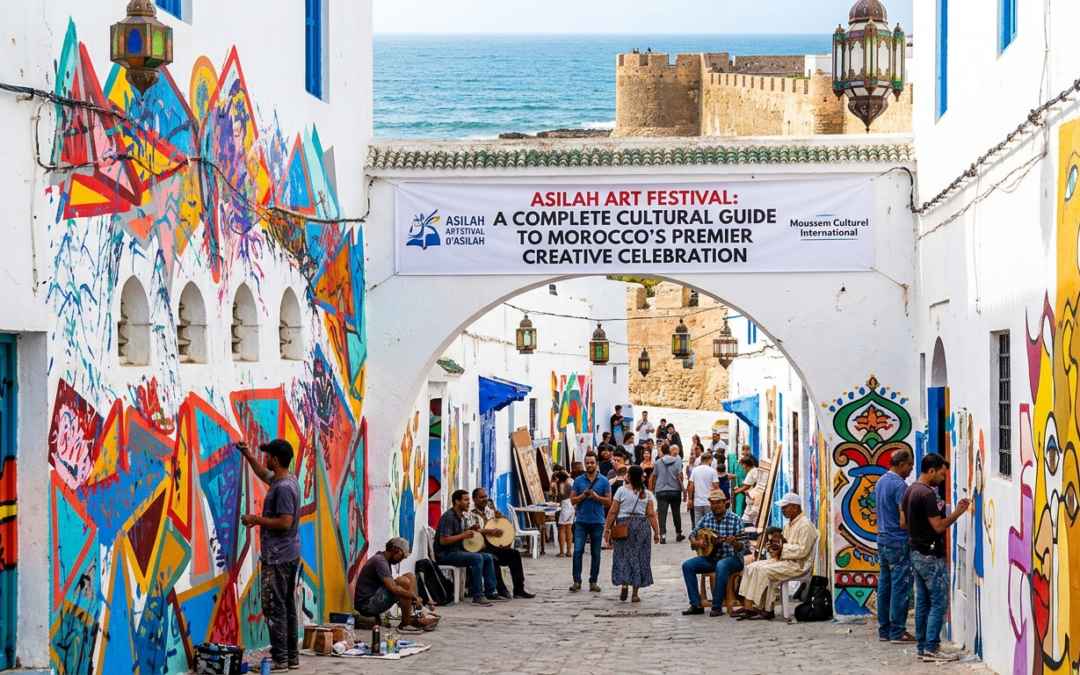
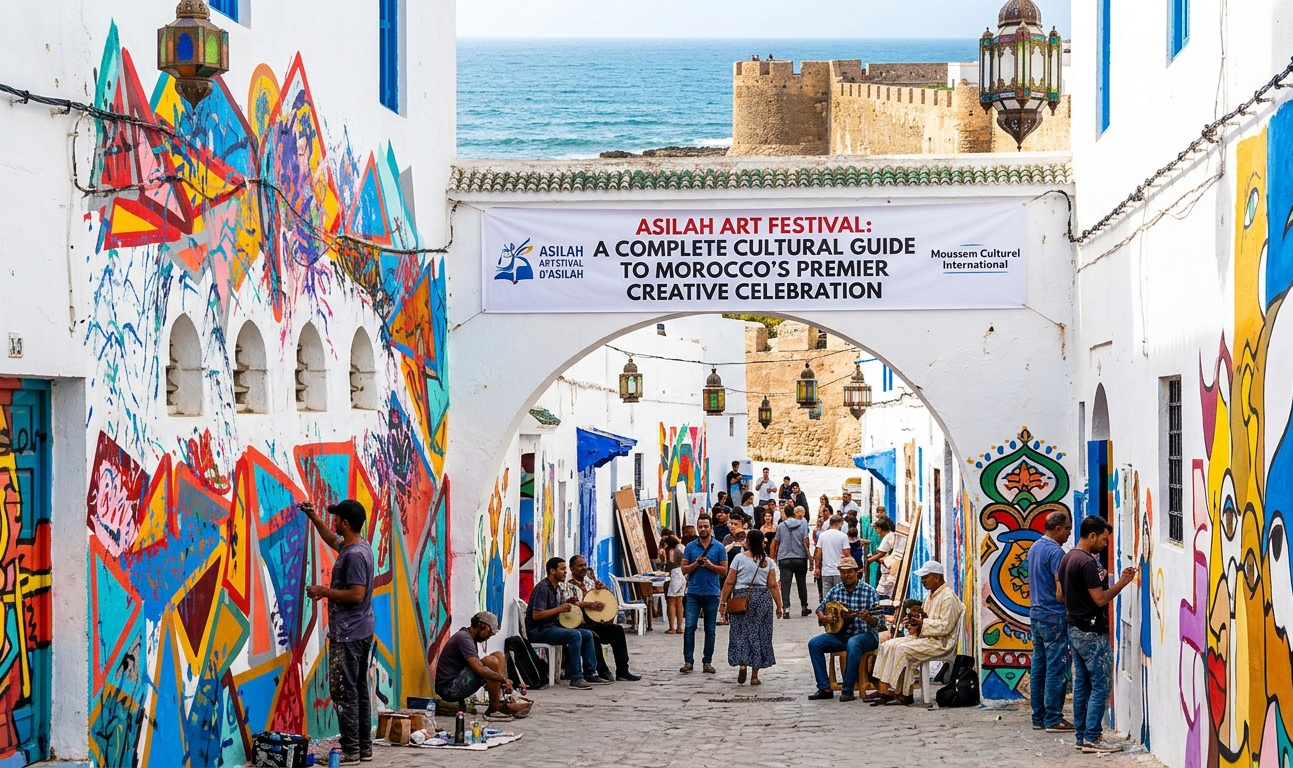
The Asilah Art Festival is an annual international cultural festival that celebrates visual arts, music, performance, workshops, and dialogue. Its most famous feature is a tradition of transforming the whitewashed medina walls of Asilah into large‑scale murals and artworks created by international artists, giving the city an ever‑changing colorful identity.

Often called a Moussem (a Moroccan term for a seasonal festival or fair), this event brings together artists, thinkers, musicians, poets, dancers, and tourists in a fusion of creativity and community energy.

Origins and History

The festival began in 1978, co‑founded by artist Mohammed Melehi and politician/philosopher Mohamed Benaissa. Originally intended to renew the urban fabric of Asilah and strengthen cultural exchange, the event quickly grew into an international phenomenon.

Unlike many festivals that focus purely on entertainment, the Asilah event was designed to be a force for cultural dialogue, bringing artists from Morocco and around the world to share their perspectives, techniques, and ideas in public spaces.

Over time, this public art initiative — painting murals each year — became the festival’s defining feature: white walls were no longer blank; they became a canvas of collective expression.

Festival Structure and Sessions

In recent years, the Asilah cultural season has evolved into a multi‑session event that extends its creative influence throughout the year, rather than only in summer:

Spring Session

  • Focuses on visual arts, with workshops on engraving, lithography, painting, and collaborative projects.
  • Artists from Morocco and abroad participate in structured residencies and interactive sessions.
  • The season’s exhibits are often hosted in venues like Centre Hassan II for International Meetings.

Summer Session (The Heart of the Festival)

This is the most famous part of the festival:

  • Usually held in July (2026 edition: July 5–27).
  • Features live mural painting where international and Moroccan artists create artworks directly on the medina’s walls.
  • Includes street performances, cultural workshops, music, and exhibitions.
  • Activities are often free and open to the public, turning the town into a cultural playground.

Autumn Session

The festival also continues into autumn with intellectual seminars, literary events, and special awards:

  • Cultural thinkers, poets, and critics gather for seminars on topics like art and technology.
  • Workshops, exhibitions, and poetry awards (like the Tchicaya U Tam’si African Poetry Prize) take place.
  • Tribute events honoring cultural contributors, such as festival founder Mohamed Benaissa, are common.

What Happens at the Festival?

One of the reasons the Asilah Art Festival is so globally admired is the breadth of its activities — it’s not just an art show, but a full cultural season.

Live Mural Painting

The medina’s walls become an ever‑evolving exhibition, displaying murals that reflect diverse artistic traditions — from geometric motifs to narrative storytelling and abstract expression.

International artists from countries such as Spain, France, Lithuania, Romania, Syria, and Morocco collaborate each year.

These murals often carry social themes, historical references, or artistic interpretations of local lore, all set against the stunning backdrop of Asilah’s classic architecture.

Workshops & Educational Programs

The festival places a strong emphasis on learning and participation:

  • Children’s workshops allow young creatives to engage with color, form, and literary expression.
  • Youth and adult workshops include theater training, painting sessions, music education programs, and storytelling activities.
  • Many programs are designed to help participants build confidence, communication skills, and artistic fluency alongside professional artists.

Music, Performance & Literary Events

The festival showcases theatre productions, poetry readings, concerts, and cultural discussions that complement the visual arts.

These events often take place in venues like the Hassan II Centre or within the medina’s public squares, blending traditional Moroccan music with international artistic influences.

Exhibitions and Art Displays

Several exhibitions run concurrently with the festival, highlighting:

  • Contemporary and traditional Moroccan art
  • Photography exhibitions
  • The work of youth and emerging artists
  • Special tributes to influential cultural figures

Festival Impact and Cultural Importance

 Urban Renewal and Community Identity

Before the festival’s inception, Asilah was a quiet seaside town with simple whitewashed walls. Today, those same walls are a tourist attraction and cultural landmark.

The festival’s mural program helped revitalize the medina, attracting visitors and fostering an economic boom tied to art and tourism.

How to Experience the Asilah Art Festival

Best Time to Visit

  • Summer edition: Usually in July (e.g., July 5–27, 2026).
  • Spring and autumn sessions: Additional events take place in April and September–October.

The summer festival is ideal for visitors who want to experience the full atmosphere of mural creation, performances, and workshops.

 Travel Tips for Visitors

 Where to Stay

Asilah offers a range of accommodations — from traditional riads in the medina to coastal guesthouses — making it easy to stay within walking distance of key festival events.

 How to Get There

  • Asilah is easily reached from Tangier, with frequent train and bus connections.
  • For international travelers, the nearest major airport is Tangier Ibn Battouta Airport, followed by a scenic coastal route to Asilah.

Why the Asilah Art Festival Matters

The festival is more than a seasonal event; it embodies Moroccan cultural pride, international cooperation, and artistic innovation.

  • It fosters dialogue between different artistic traditions.
  • It stimulates cultural tourism in northern Morocco.
  • It continues to evolve, blending heritage and modern expression across generations.

Whether you are an art enthusiast, a cultural explorer, or a traveler seeking unique experiences, the Asilah Art Festival delivers an unforgettable journey into the heart of Moroccan creativity.

From its roots as a local art‑painting initiative to its status today as a major international cultural season, the Asilah Art Festival represents the power of art to transform a city, shape cultural identity, and bring people together across borders and generations.

Plan your trip to Asilah today — and become part of a creative legacy that turns walls into stories and streets into cultural experiences.

1. What types of artwork are displayed at the festival?

At the Asilah Art Festival, you’ll see a wide range of artwork including colorful murals on medina walls, contemporary paintings, traditional Moroccan crafts, photography, and mixed-media installations created by both local and international artists.

2. Can visitors participate in workshops during the festival?

Yes! Visitors can participate in workshops at the Asilah Art Festival, including painting, mural creation, crafts, music, and cultural activities, suitable for both adults and children.

3. How can I get to Asilah from Tangier or other Moroccan cities?

You can reach Asilah easily from Tangier or other Moroccan cities by:

  • Train: Regular trains run between Tangier and Asilah, taking about 45 minutes.
  • Bus or Grand Taxi: Buses and shared taxis connect Asilah with Tangier, Rabat, and Casablanca.
  • Private Car or Tour: Renting a car or booking a guided tour offers flexibility and scenic coastal views.

Trains and buses are reliable and budget-friendly, while private transfers provide more comfort and convenience.

Moroccan Traditional Crafts: Explore Leather, Pottery, Woodwork & More

Moroccan Traditional Crafts: Explore Leather, Pottery, Woodwork & More

Morocco is a land of vibrant culture, rich history, and unmatched artisanal talent. From the bustling souks of Marrakesh to the ancient medinas of Fez, Moroccan traditional crafts reflect centuries of heritage and skill. These crafts are not just decorative—they tell stories of communities, traditions, and identities that have been carefully preserved over generations.

In this article, we’ll take you through Morocco’s iconic crafts, from leather and pottery to woodwork and metal jewelry, and show you how to experience them firsthand. Whether you’re a traveler, a cultural enthusiast, or a collector, Morocco’s handicrafts offer a unique glimpse into its artistic soul.

Discover the Rich Heritage of Moroccan Handicrafts

Moroccan crafts are more than souvenirs—they are an embodiment of local history and culture. Artisans in Morocco use natural materials and age-old techniques that have been passed down through generations. Many of these crafts are recognized worldwide for their quality, design, and cultural significance.

From Berber tribal motifs to Andalusian patterns, Moroccan crafts display a remarkable variety of styles and techniques. By purchasing or experiencing these crafts, you are not only acquiring a beautiful object but also supporting traditional artisans who preserve Morocco’s cultural legacy.

Iconic Moroccan Leather Crafts

Traditional Tanning Techniques in Fez and Marrakesh

Moroccan leather, especially from Fez, is world-famous for its quality and craftsmanship. The city’s Chouara Tannery, one of the oldest in the world, is still using traditional methods dating back centuries. Artisans dye leather in large stone vats using natural pigments like indigo, saffron, and poppy seeds. The result is a soft, durable leather with vivid colors.

Handmade Leather Goods: Bags, Slippers, and Wallets

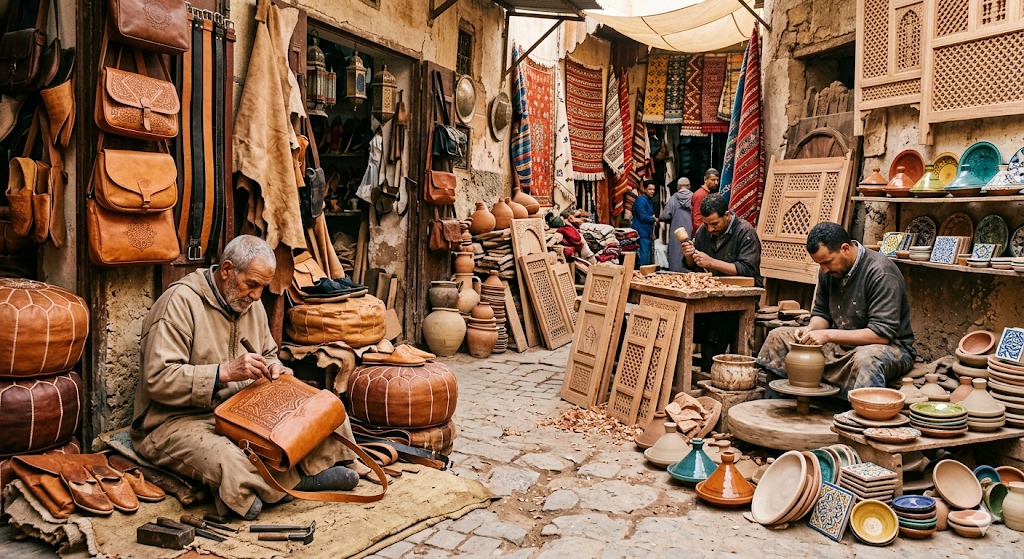
Leather artisans in Morocco create a variety of products, including babouches (traditional slippers), handbags, belts, and wallets. Each piece is handcrafted, often personalized with intricate patterns or engravings. When you buy a Moroccan leather product, you are investing in a timeless piece of art.

Visiting the Chouara Tannery: Authentic Leather Craft Experience

Tourists can witness the leather-making process firsthand in Fez. Visiting the Chouara Tannery offers a sensory experience—vivid colors, rich smells, and artisans at work. Guided tours often explain the history of tanning and the significance of leather in Moroccan culture.

Moroccan Pottery and Zellige Tile Art

Regional Styles of Moroccan Pottery: Fez, Safi, Southern Morocco

Pottery is a central part of Moroccan life, used both for functional and decorative purposes. Cities like Fez and Safi are renowned for their ceramics. Fez pottery often features deep blue and white patterns, while Safi is famous for bold, colorful designs. In southern Morocco, pottery often includes earthy tones and Berber-inspired motifs.

Zellige Tile Techniques: From Clay to Masterpiece

Zellige, Morocco’s distinctive mosaic tilework, is created from individually chiseled tiles assembled into geometric patterns. It is commonly found in riads, palaces, and fountains. The process is labor-intensive and requires immense skill, making each piece a unique masterpiece.

Functional and Decorative Uses of Moroccan Ceramics

Moroccan ceramics are not only beautiful but also functional. From tagine pots for cooking traditional meals to decorative bowls and plates, they are an integral part of Moroccan homes. Many artisans also produce wall panels and floor tiles, allowing the art to be incorporated into modern decor.

Woodwork and Cedar Carving in Morocco

Cedar Wood Craftsmanship in Essaouira and the Middle Atlas

Moroccan woodwork is especially known for cedar and thuya wood. Artisans in Essaouira and the Middle Atlas Mountains specialize in intricate carving techniques, producing furniture, doors, and decorative panels. The natural aroma of cedar wood adds another sensory dimension to the craft.

Hand-Carved Furniture, Doors, and Panels

Each piece of Moroccan woodwork tells a story. From traditional mashrabiya window panels to elaborately carved doors, wood carving combines function and artistry. Local workshops often let visitors see the carving process from start to finish, offering a unique cultural insight.

Wood Carving Workshops for Tourists

Tourists can participate in workshops to learn basic carving techniques or try painting and finishing their own small wooden objects. This hands-on experience deepens appreciation for the artisans’ skill and dedication.

Moroccan Metalwork and Jewelry

Silver Jewelry with Traditional Berber Motifs

Moroccan jewelry, especially silver pieces, often features Berber motifs and symbols that have spiritual or cultural significance. Necklaces, bracelets, rings, and earrings are hand-forged and sometimes inlaid with semi-precious stones. Each design tells a story, whether of protection, fertility, or prosperity.

Brass and Copper Artisan Products

Metalwork also includes decorative items such as lanterns, teapots, trays, and bowls. Brass and copper are shaped using hammering, engraving, and inlay techniques. The shimmering glow of these items reflects both craftsmanship and Moroccan aesthetic sensibility.

Cultural and Symbolic Significance of Moroccan Metalwork

Metal objects are more than decoration—they often carry symbolic meanings, reflecting Morocco’s diverse cultural influences, from Berber and Arab to Andalusian heritage. Owning such pieces is a way of connecting to this rich tapestry.

Cities Famous for Moroccan Traditional Crafts

Fez: Leather and Pottery Hub

Fez is Morocco’s artisanal capital. Its medina is home to countless workshops producing leather, pottery, textiles, and metalwork. Visiting Fez is like stepping back in time, where traditional techniques are practiced exactly as they were centuries ago.

Marrakesh: Textiles, Leather, and Metalwork

Marrakesh is famous for its bustling souks, where visitors can find everything from handwoven carpets to leather goods and brass lanterns. The city is a melting pot of styles, combining Berber, Arab, and Moorish influences.

Essaouira: Wood Carving Legacy

Essaouira, a coastal town, is renowned for its cedar wood carvings. Artisans here create furniture, frames, and decorative items that are highly sought after by collectors. The town’s relaxed atmosphere makes visiting workshops a pleasure.

Meknes and Tetouan: Decorative and Andalusian Craft Influence

Meknes and Tetouan showcase Andalusian-inspired decorative arts, including intricate tilework and embroidery. These cities are ideal for travelers seeking more refined and elegant Moroccan craft styles.

Experiencing Moroccan Crafts as a Tourist

Visiting Artisan Workshops Across Morocco

Many Moroccan artisans welcome tourists into their workshops, providing an authentic look into their craft. Visitors can observe techniques, ask questions, and see the full process of creating handmade goods.

Hands-On Craft Experiences for Travelers

Some workshops offer hands-on sessions where travelers can try leather stamping, pottery shaping, or tile assembly. These immersive experiences create lasting memories and a deeper understanding of Moroccan culture.

Final Thoughts

Moroccan traditional crafts are a living heritage, blending creativity, history, and cultural identity. From leather to pottery, woodwork to metal jewelry, every piece embodies the skill and passion of Moroccan artisans. By exploring these crafts, visiting workshops, or purchasing handmade items, you not only support local communities but also carry a piece of Morocco’s rich artistic legacy with you.

Whether you are a traveler, collector, or cultural enthusiast, Moroccan handicrafts offer an unforgettable journey into the heart of Morocco.

What materials are commonly used in Moroccan handicrafts?

1. Leather

Leather is one of Morocco’s most iconic craft materials. Ancient tanneries, particularly in Fez, process goat and cow leather using traditional methods.

Common Leather Crafts:

  • Babouches: Traditional Moroccan slippers.
  • Handbags and Wallets: Often dyed with natural pigments.
  • Poufs and Jackets: Soft, durable, and hand-stitched.

Cultural Significance: Leather items are both functional and decorative, often reflecting local styles and artisanal skill.

2. Textiles

Textiles are central to Moroccan culture. Artisans use sheep’s wool, cotton, silk, and linen to produce woven and embroidered goods.

Popular Textile Crafts:

  • Berber Rugs and Carpets: Handwoven with geometric motifs.
  • Clothing: Traditional garments like jellabas and caftans.
  • Blankets and Throws: Often dyed with natural pigments like indigo and saffron.

Cultural Significance: Textiles reflect regional identity, tribal patterns, and social customs.

How can I participate in a Moroccan craft-making workshop as a tourist?

 Choose the Type of Workshop

  • Leather Crafting: Learn to make babouches (slippers), bags, or wallets using traditional tanning and dyeing techniques, especially in Fez or Marrakesh.
  • Pottery and Zellige Tiles: Try your hand at shaping clay, painting patterns, or assembling mosaics in Safi, Fez, or Meknes.
  • Textiles and Weaving: Join workshops for Berber rug weaving, embroidery, or dyeing textiles with natural indigo.
  • Wood Carving: Experience working with Thuya or cedar wood to carve decorative panels, boxes, or furniture in Essaouira.
  • Jewelry Making: Create silver or beaded pieces with Berber motifs, often including amulets or enamel work.

Tips for a Great Experience

  • Wear comfortable clothes suitable for working with materials like clay, dye, or wood.
  • Bring a camera to capture the process, but always ask permission if photographing artisans.
  • Be open to learning traditional methods, which may differ from modern techniques.
  • Consider buying additional handmade items directly from artisans to support the local economy.

What is the significance of Berber motifs in Moroccan jewelry?

Berber Jewelry: Key Meanings and Symbolic Elements

1. Protection

One of the most ubiquitous symbols in Moroccan and Berber jewelry is the Khamsa (Hand of Fatima). This palm-shaped amulet is believed to ward off the evil eye and protect the wearer from negative energies. Many necklaces, bracelets, and rings feature the Khamsa, often combined with other geometric motifs.

2. Fertility and Strength

Geometric shapes—triangles, diamonds, and almond motifs—represent the female form, fertility, and the stability of the home. These shapes are not merely decorative; they communicate social values, emphasizing the importance of family, motherhood, and resilience in Berber culture.

3. Material Symbolism

Materials are chosen not only for beauty but for spiritual and social meanings:

  • Silver: Symbolizes purity, white, and piety. Most traditional pieces are silver-heavy.
  • Amber: Considered a good luck charm.
  • Coral: Represents vitality and life energy.

The combination of materials often communicates both the artisan’s skill and the wearer’s social and spiritual identity.

 4. Cultural Identity

Ornate and large pieces, like fibulae (Tizerai) or multi-layered necklaces, often identify a woman’s tribal affiliation, region, or marital status. Jewelry is a living archive of heritage, telling the story of generations and preserving cultural identity.

5. Economic Independence

Jewelry in Berber culture serves as more than adornment. It acts as a “portable bank”, forming part of a woman’s dowry and providing financial security in times of hardship. Pieces could be melted, traded, or sold, giving women autonomy and economic empowerment.

Regional Variations in Berber Jewelry

  • Morocco (Atlas/Sahara)
  • Heavy silver construction
  • Enamel decorations
  • Large hinged bracelets
  • Emphasis on bold, protective designs
  • Algeria (Kabylie)
  • Vibrant multicolored enamel (cloisonné)
  • Use of coral for color and symbolism
  • Detailed, delicate designs with multiple layers
  • Southern/Tuareg Tribes
  • Geometric silver designs, often with crosses or talismans
  • Jewelry carries protective and symbolic meanings, often unisex

Common Types of Berber Jewelry

  • Fibula (Tizerai): Triangular brooches used to fasten traditional garments, often worn as a statement of identity.
  • Khalkhal: Ankle bracelets indicating marital status or social rank.
  • Necklaces: Layered silver, amber, enamel, and coral, sometimes including talismans or protective amulets.

Older pieces are rare and treasured because they are often melted and redesigned, making authentic antique jewelry highly valuable.

error: Content is protected !!
en_USEN