Select Page
Erg Chebbi: Complete Guide to Morocco’s Sahara Dunes

Erg Chebbi: Complete Guide to Morocco’s Sahara Dunes

Erg Chebbi: Complete Guide to Morocco’s Sahara Dunes

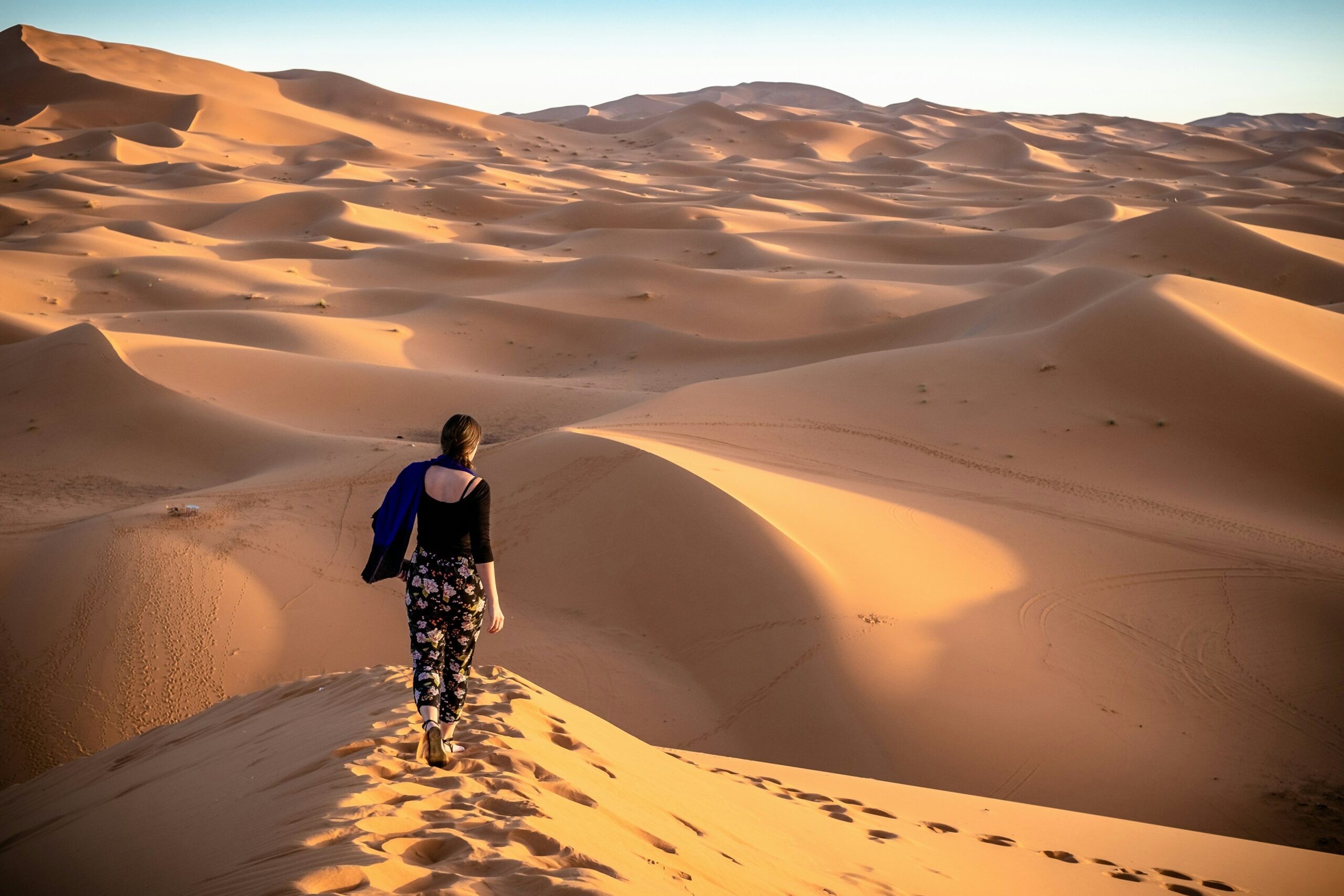
If you picture Morocco’s Sahara Desert as a vast landscape of golden sand stretching toward the horizon, there is a good chance you are imagining Erg Chebbi. Located near the desert town of Merzouga in southeastern Morocco, Erg Chebbi is one of Morocco’s most famous dune landscapes and one of the best-known places to experience the Sahara.

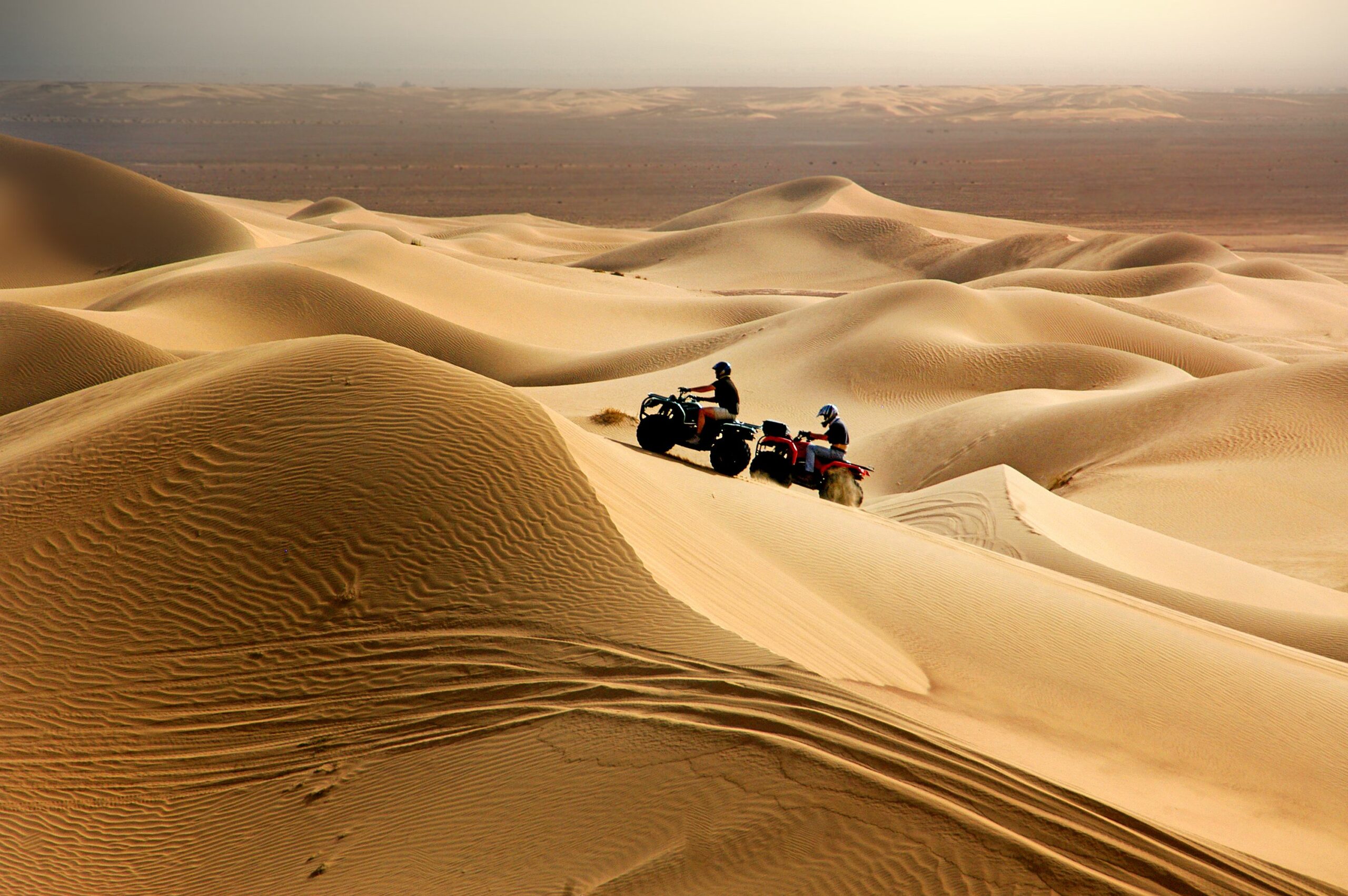
Visiting Erg Chebbi is about much more than simply seeing the dunes. You can ride a camel across the sand at sunset, spend the night in a desert camp, watch the sunrise from the top of a dune, try sandboarding, explore the surrounding desert by 4×4 and discover the oasis, villages and landscapes around Merzouga. The Moroccan National Tourist Office highlights Merzouga as one of the gateways to the Sahara, with camel excursions, desert camping and outdoor activities among the main experiences available in the area.

Whether you are planning your first trip to Morocco or specifically looking for an Erg Chebbi desert tour, this complete guide explains where Erg Chebbi is, what makes it special, the best time to visit, things to do, how to get there, what to pack and what to expect from a night in the Sahara.

What Is Erg Chebbi?
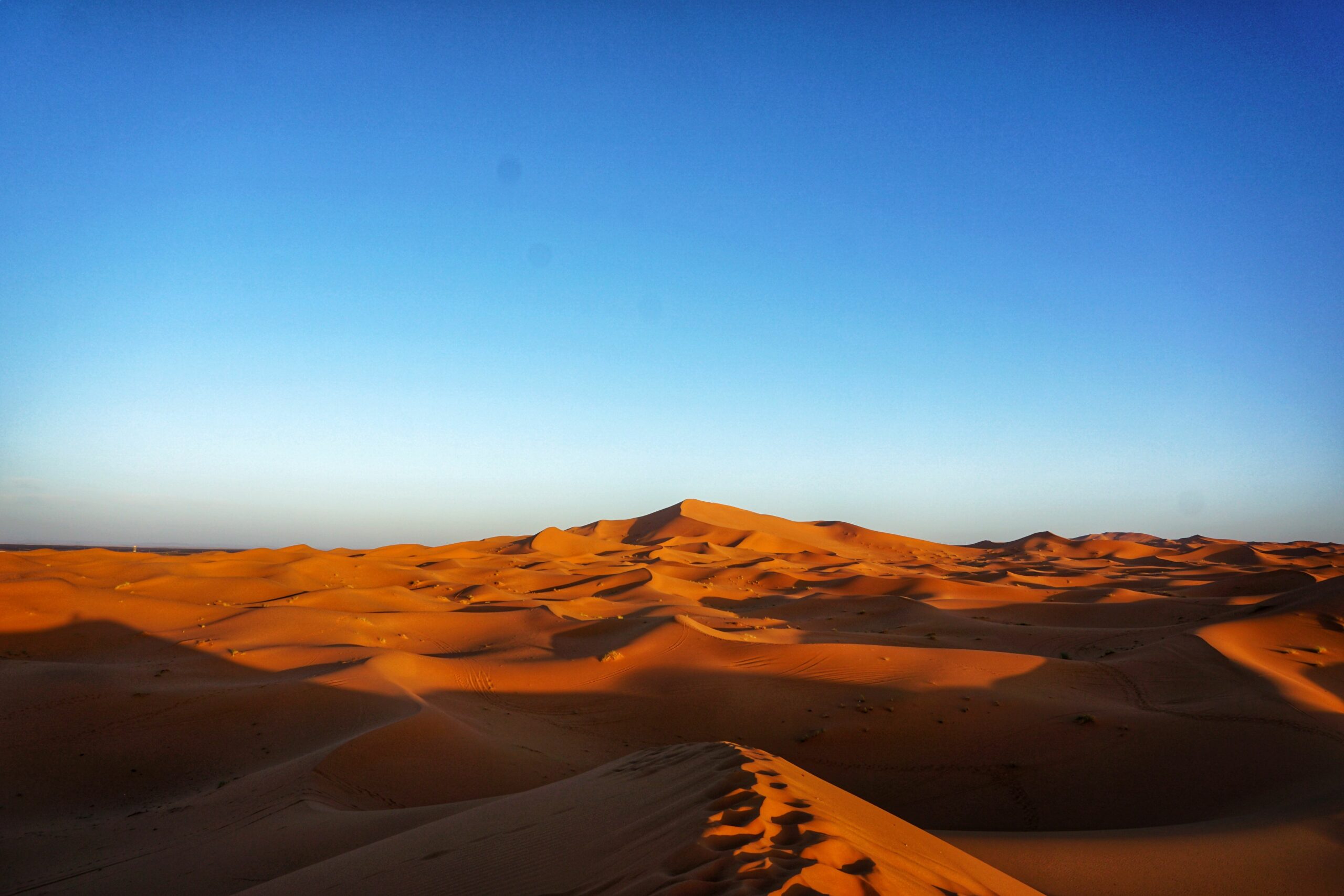
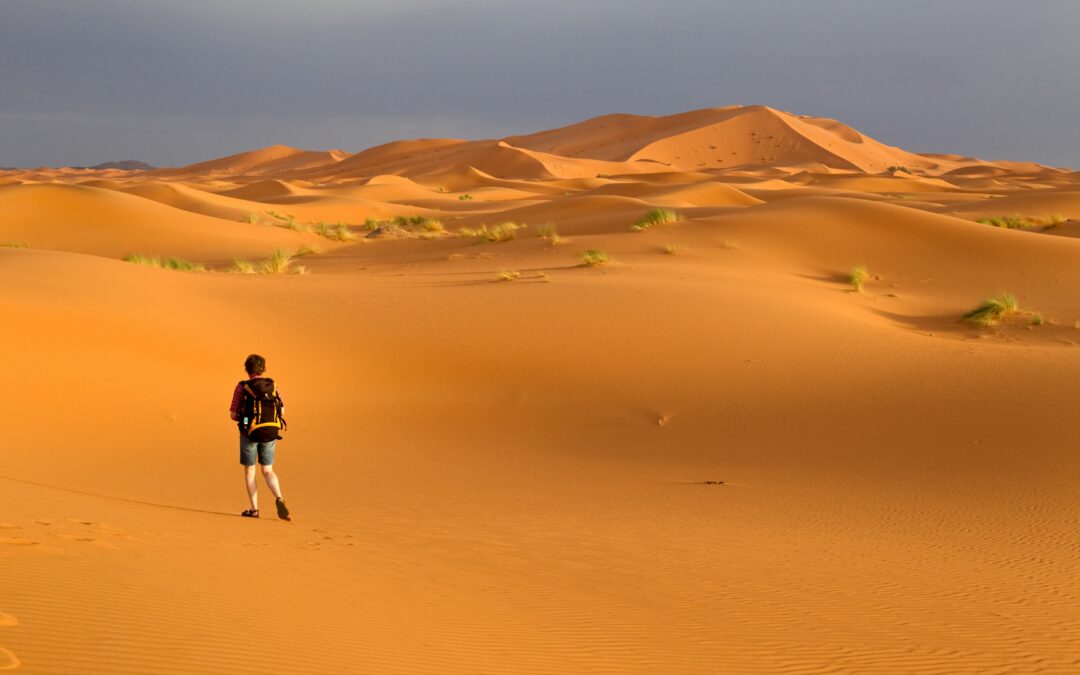
Erg Chebbi desert

Erg Chebbi is a large field of sand dunes located near Merzouga in southeastern Morocco. The word “erg” is used to describe a sandy desert area dominated by dunes, while Chebbi is the name of this particular dune system.

Although the names Erg Chebbi and Merzouga are often used interchangeably by travelers and tour companies, they refer to slightly different things. Merzouga is the small village and surrounding area that serves as the main gateway to the dunes, while Erg Chebbi is the famous sandy landscape located beside it.

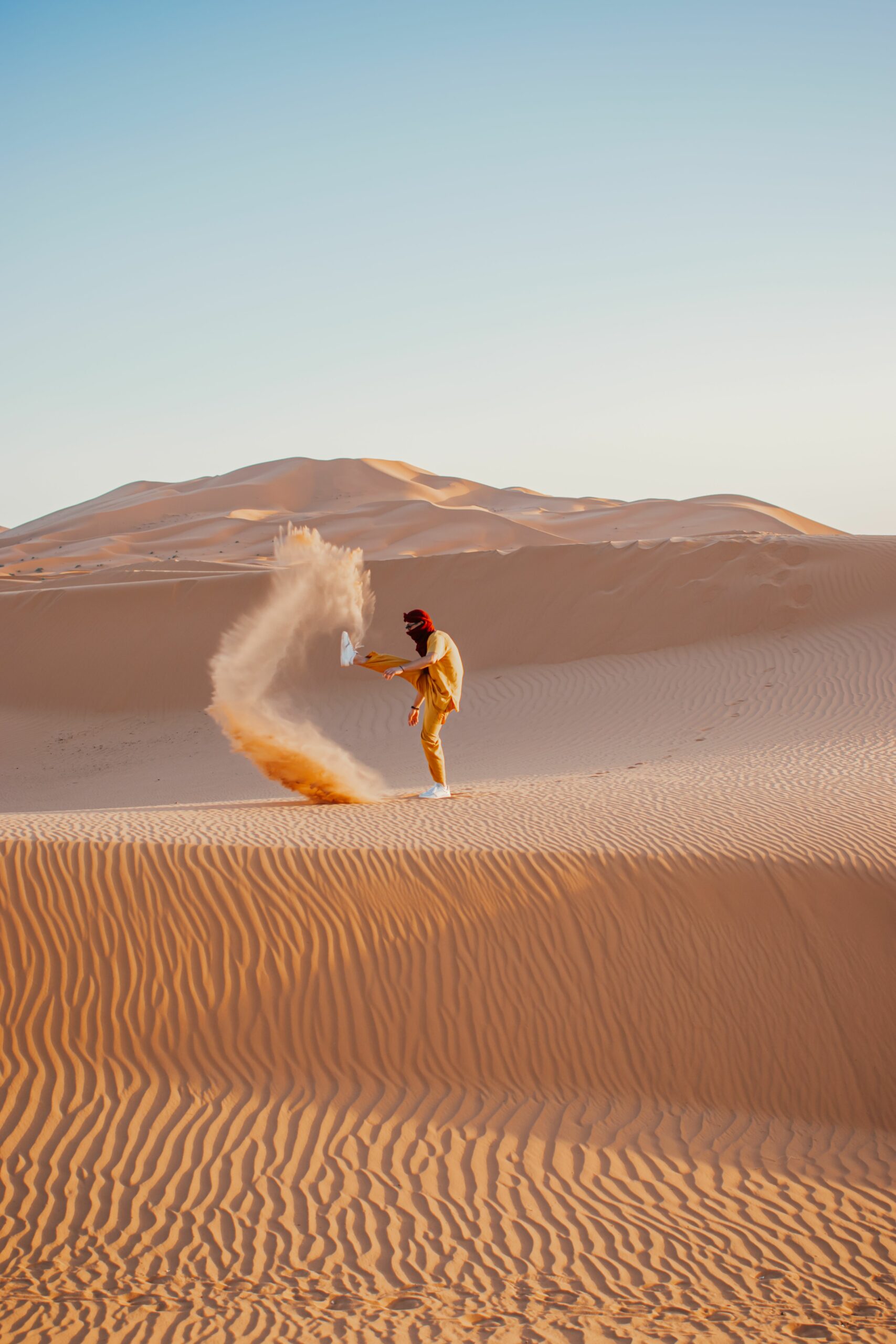
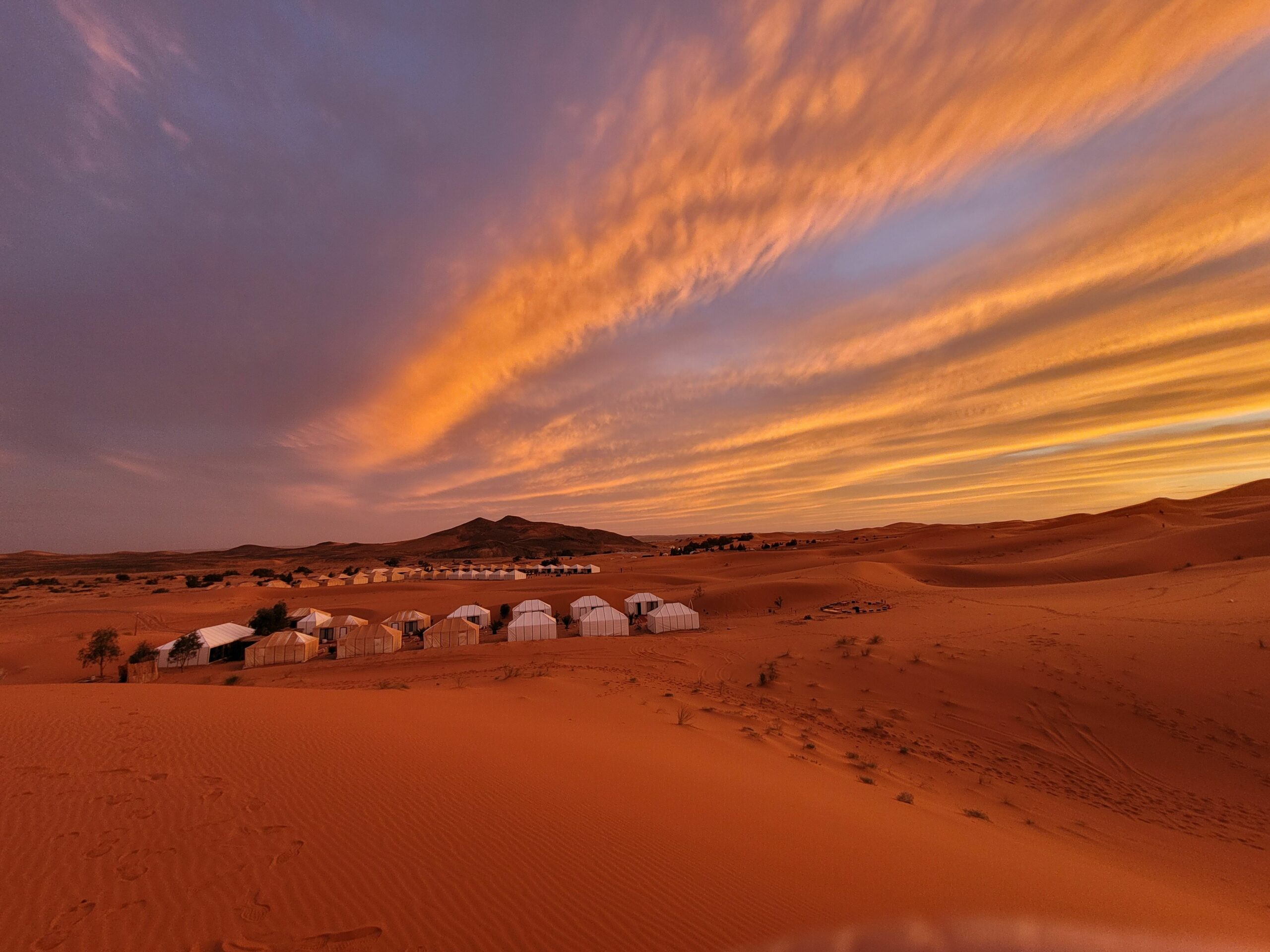
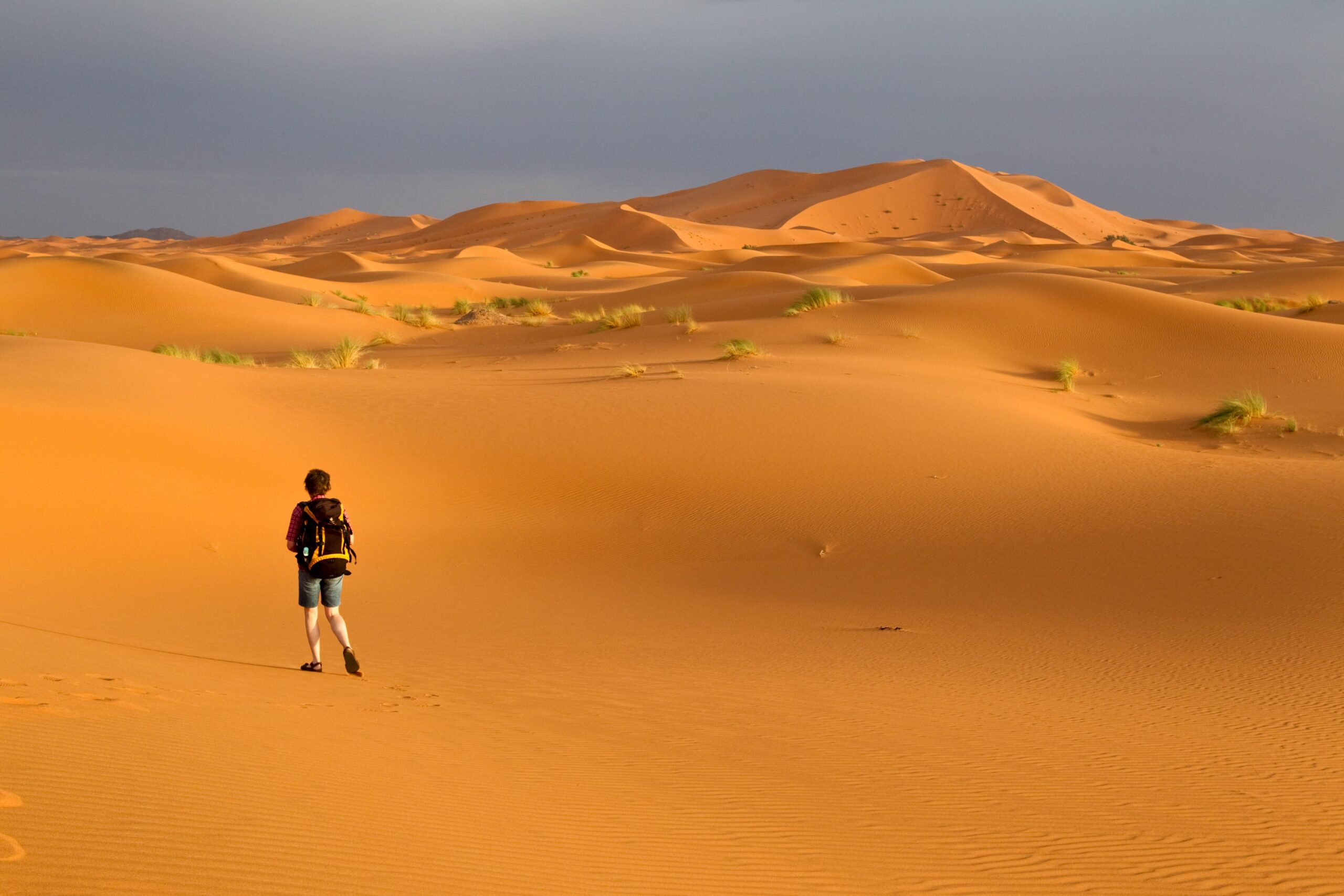
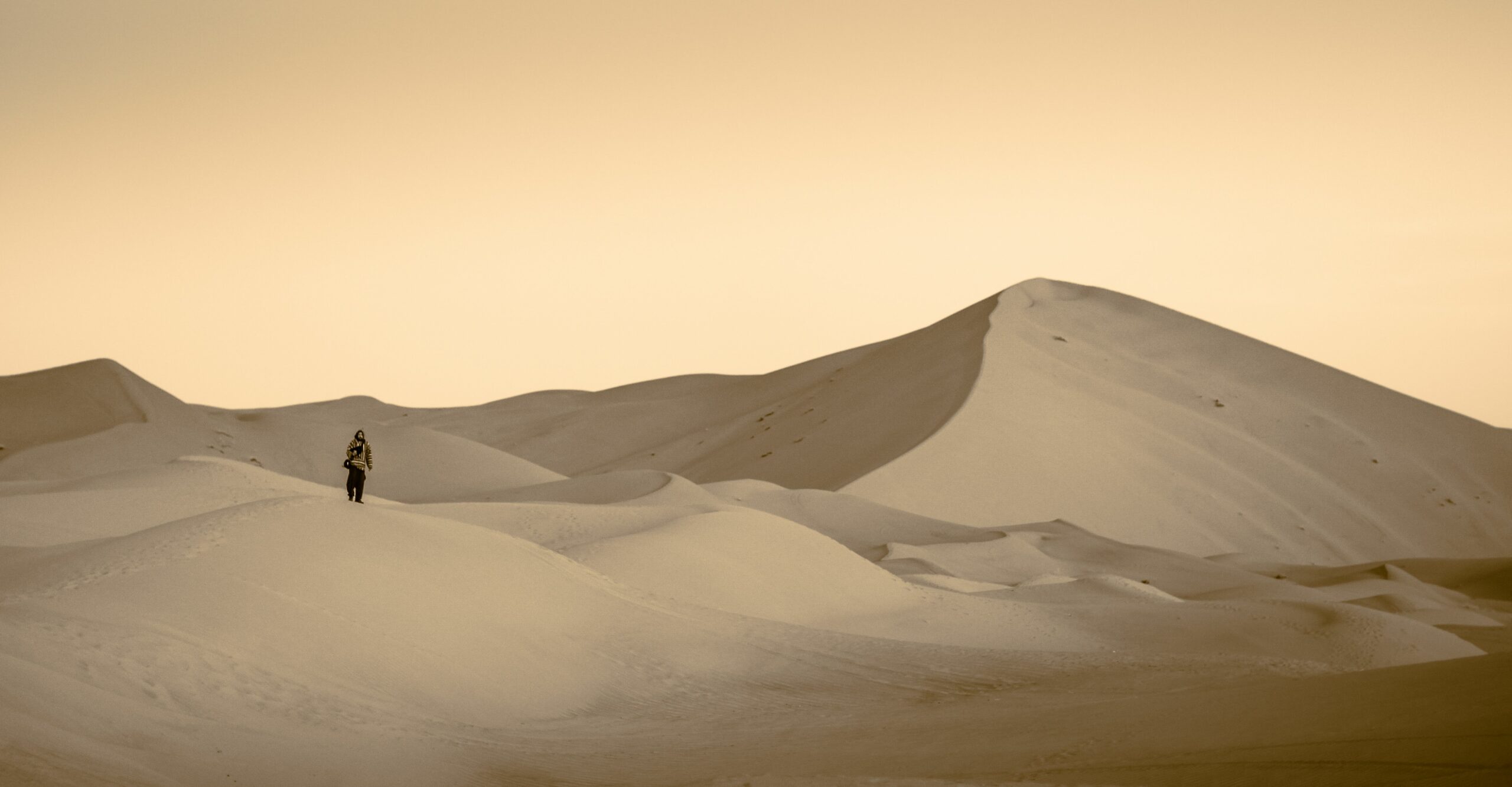
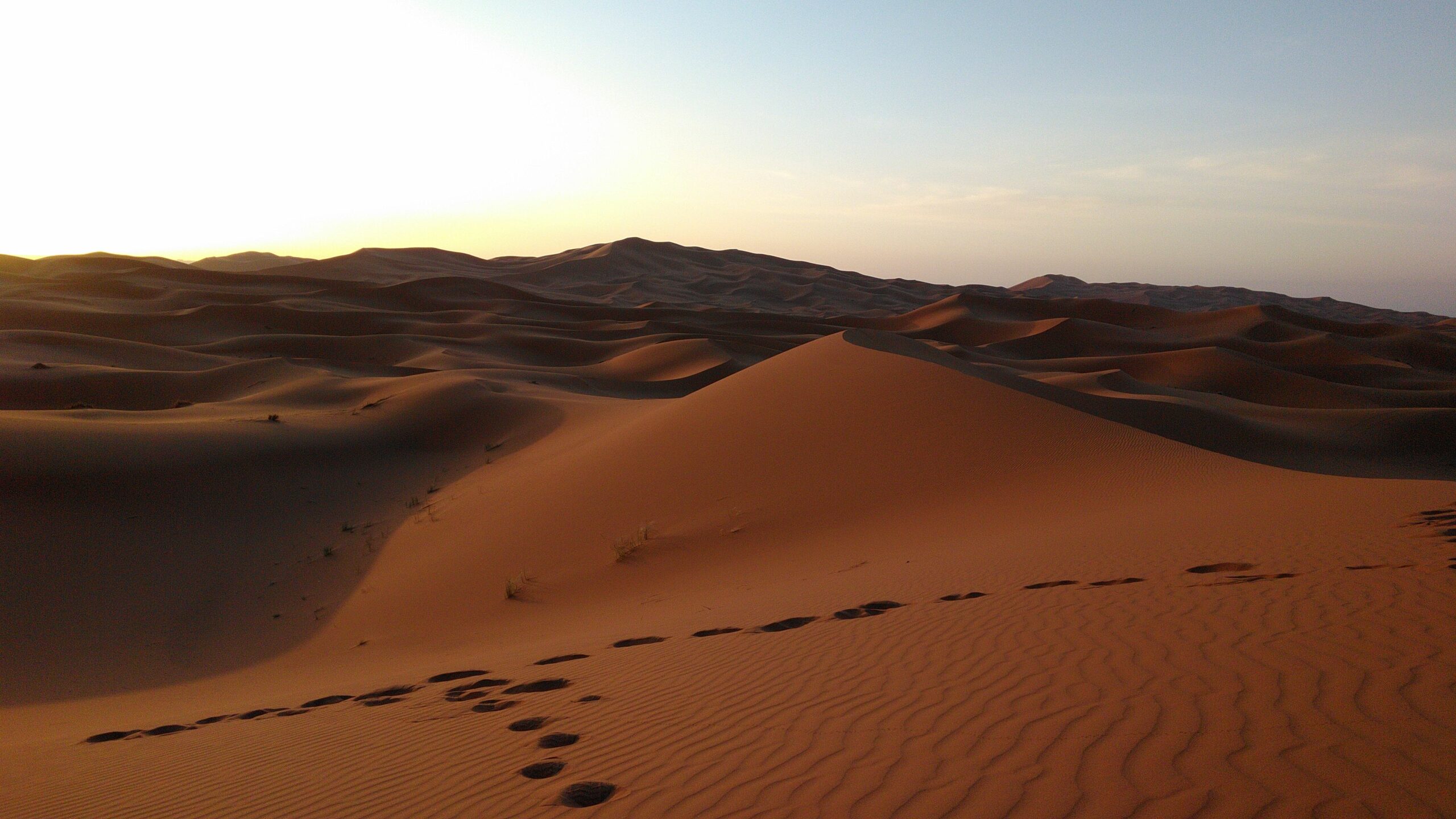
The dunes are particularly known for their golden and orange colors, which change throughout the day depending on the sunlight. Early morning light can create soft golden tones across the sand, while sunset often produces deeper orange and reddish shades. This constantly changing landscape is one of the reasons Erg Chebbi has become such a popular destination for photographers and travelers.

The Moroccan National Tourist Office describes Erg Chebbi as a spectacular dune landscape where visitors can enjoy activities including camel trekking, hiking, desert camping and sandboarding. The area provides one of the most accessible ways to experience the Sahara while still feeling surrounded by an immense desert environment.

Where Is Erg Chebbi Located?
Erg Chebbi desert

Erg Chebbi is located near Merzouga in southeastern Morocco, within the Drâa-Tafilalet region and relatively close to the Algerian border. The area sits between the Atlas Mountains and the wider Sahara, creating a dramatic transition from mountain scenery and valleys to dry desert landscapes.

Most travelers do not visit Erg Chebbi as a quick standalone excursion. Instead, they reach the dunes as part of a multi-day journey through southern Morocco. Depending on the direction of travel, the route can pass through places such as Midelt, Errachidia, Erfoud and Rissani before arriving in Merzouga.

This journey is an important part of the experience. Traveling from Marrakech or Fes to Erg Chebbi takes you through several completely different landscapes, allowing you to see how Morocco changes from mountains and valleys to increasingly arid terrain before the Sahara finally appears.

Erg Chebbi vs. Merzouga: What Is the Difference?
Erg Chebbi desert

Experience Erg Chebbi

Ride through the golden dunes, watch the Sahara sunset and spend a night under the stars.

One of the most common questions travelers have is whether Erg Chebbi and Merzouga are the same place. They are closely connected, but they are not technically the same. Merzouga is the village and surrounding tourist area, while Erg Chebbi refers specifically to the large dune field next to it. Most desert tours use Merzouga as the access point for reaching the dunes, where travelers can continue by camel or 4×4 depending on their itinerary and accommodation.

This is why you may see tours advertised as “Merzouga Desert Tours,” “Erg Chebbi Desert Camps” or “Sahara Desert Tours from Marrakech.” In many cases, these experiences take place within the same general desert region.

Understanding the difference is useful when comparing tours because the quality of the experience depends not only on visiting the dunes but also on the route, accommodation, camp location and activities included in your itinerary.

Why Is Erg Chebbi Famous?
Erg Chebbi desert

Erg Chebbi is famous because it combines dramatic Sahara scenery with relatively easy access and a well-established range of desert experiences. Travelers do not need to organize an expedition into a remote part of the Sahara to experience large sand dunes, camel trekking and overnight camping.

The landscape itself is the main attraction, but the surrounding region adds considerably to the experience. Around Merzouga, you can find palm groves, rocky desert landscapes, traditional villages and seasonal wetlands. The area around Dayet Srij, for example, can attract migratory birds when there is sufficient water, creating an unexpected contrast with the surrounding desert.

The Moroccan National Tourist Office presents the Merzouga area as a destination for camel rides, desert bivouacs, hiking, sandboarding and other outdoor experiences. This combination of nature, adventure and local culture makes Erg Chebbi one of the most recognizable destinations in Morocco.

Best Things to Do in Erg Chebbi

There are several ways to experience Erg Chebbi, and you can combine several of them during a single visit.

Ride a Camel at Sunset
Erg Chebbi desert

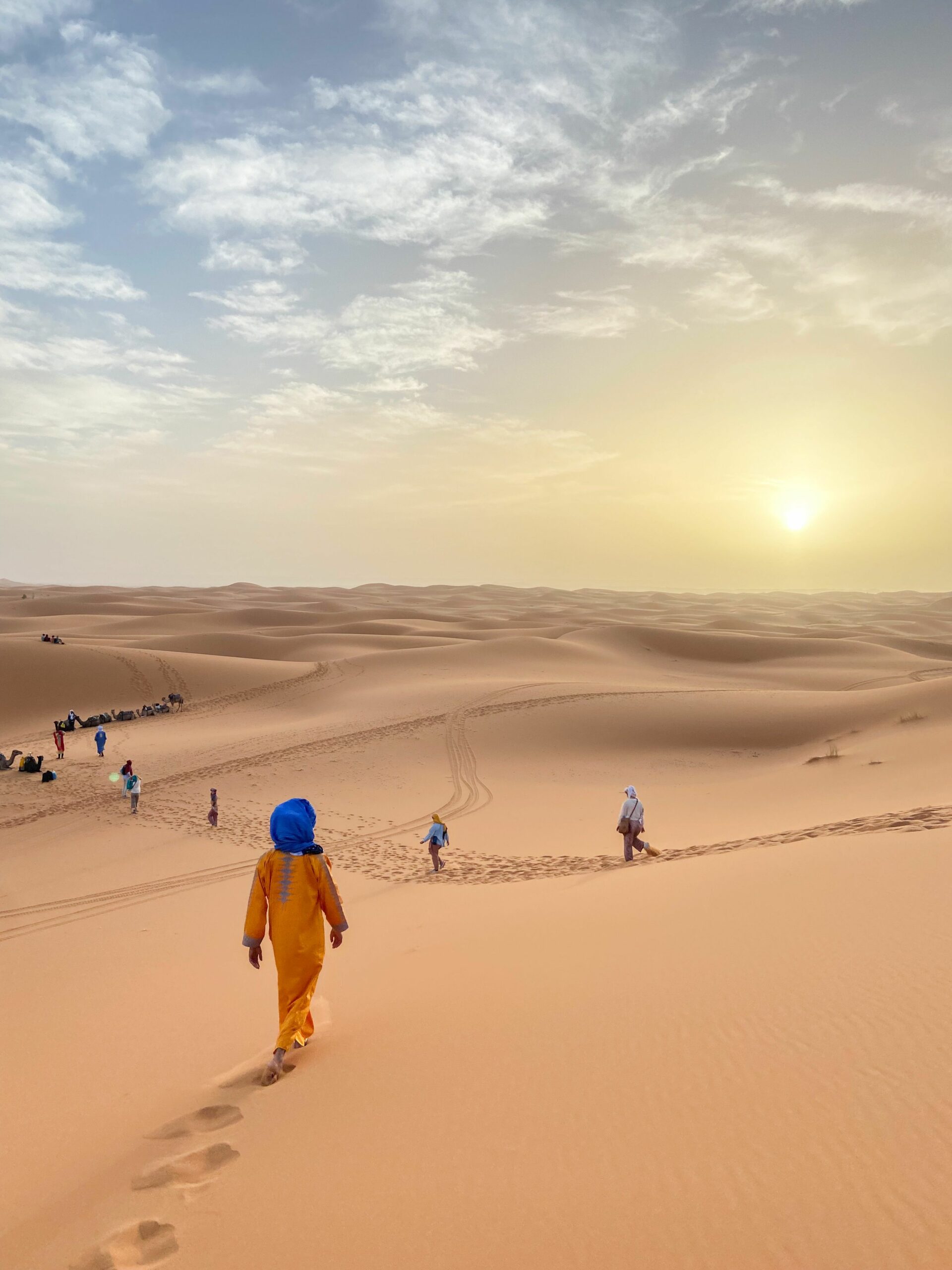
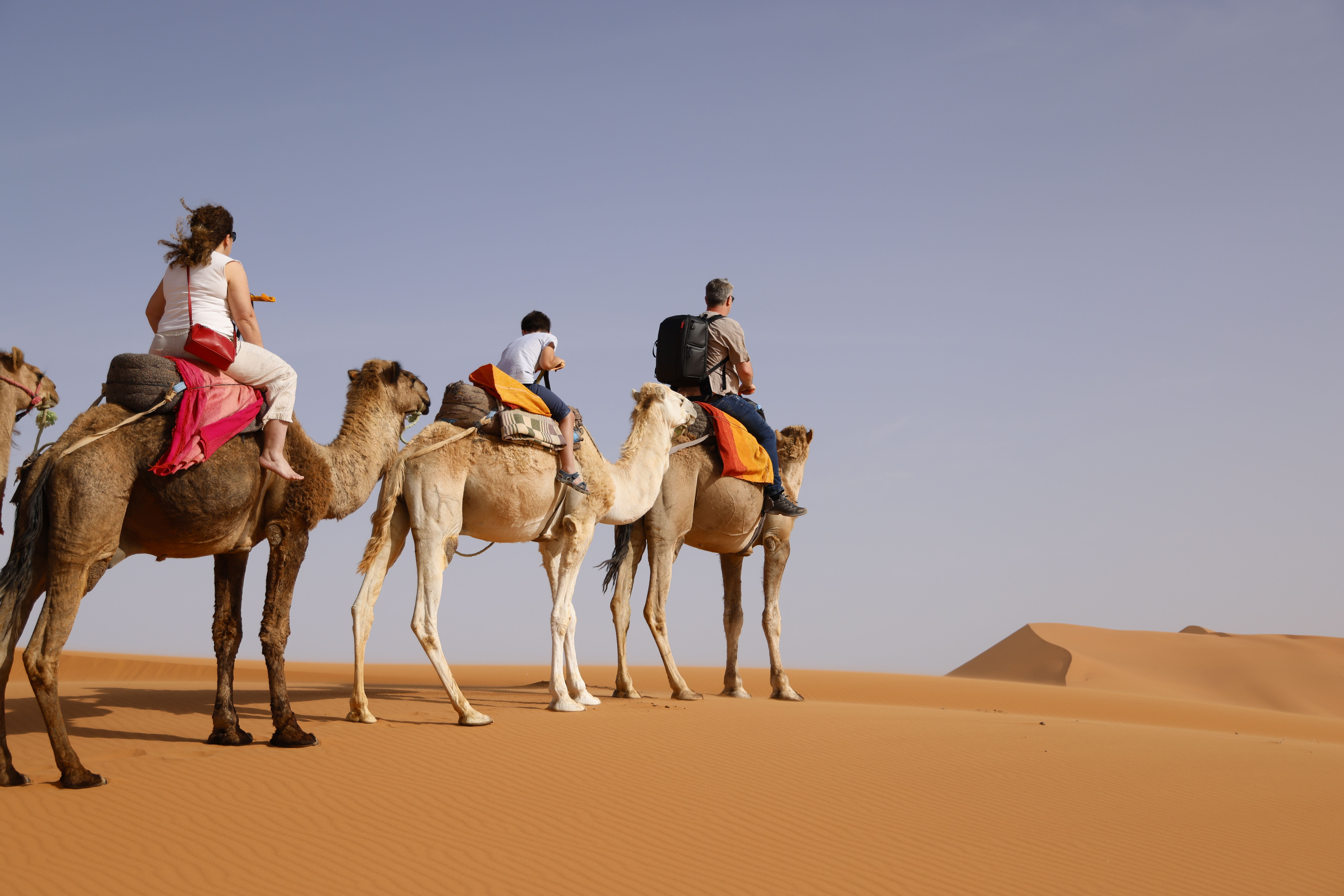
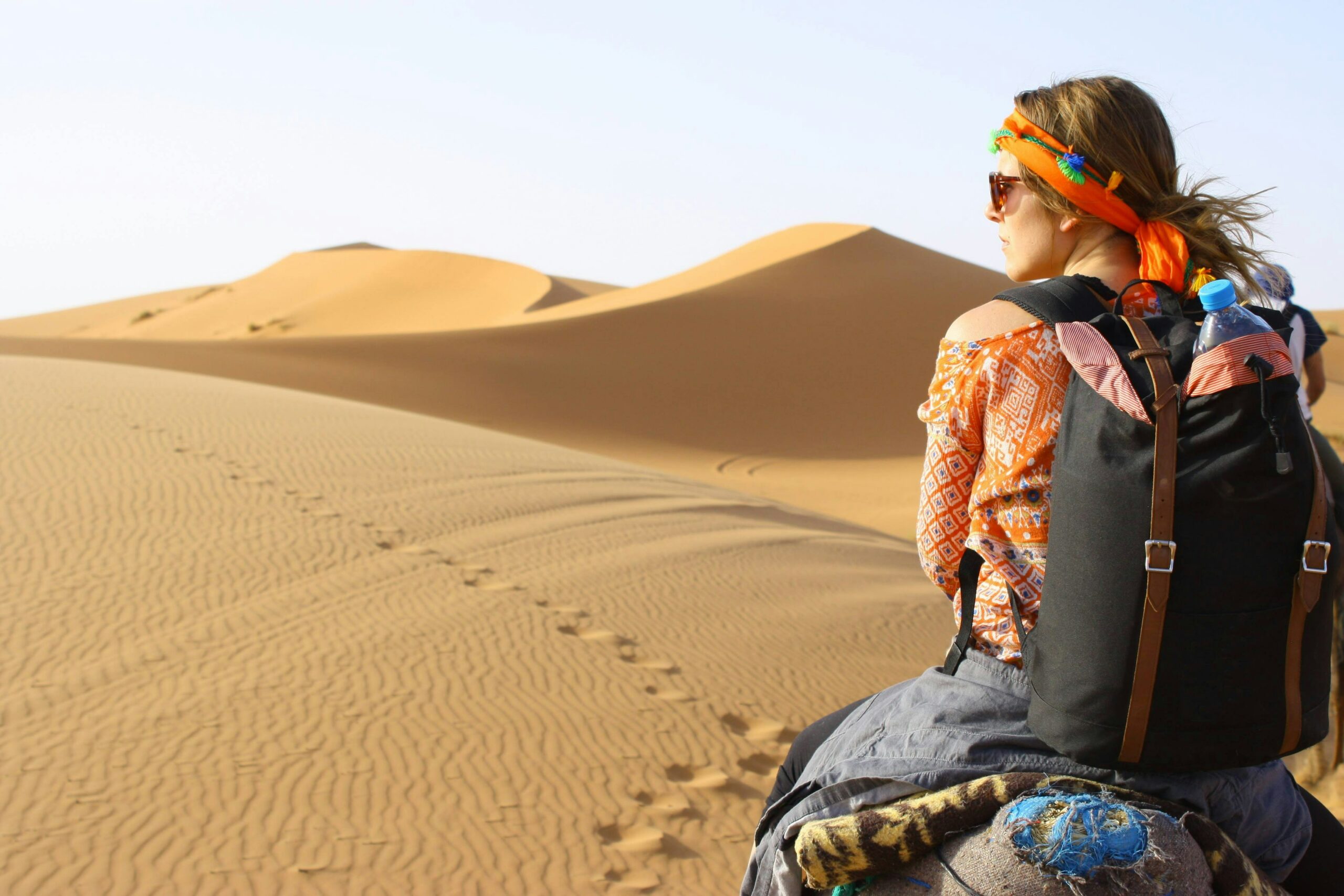
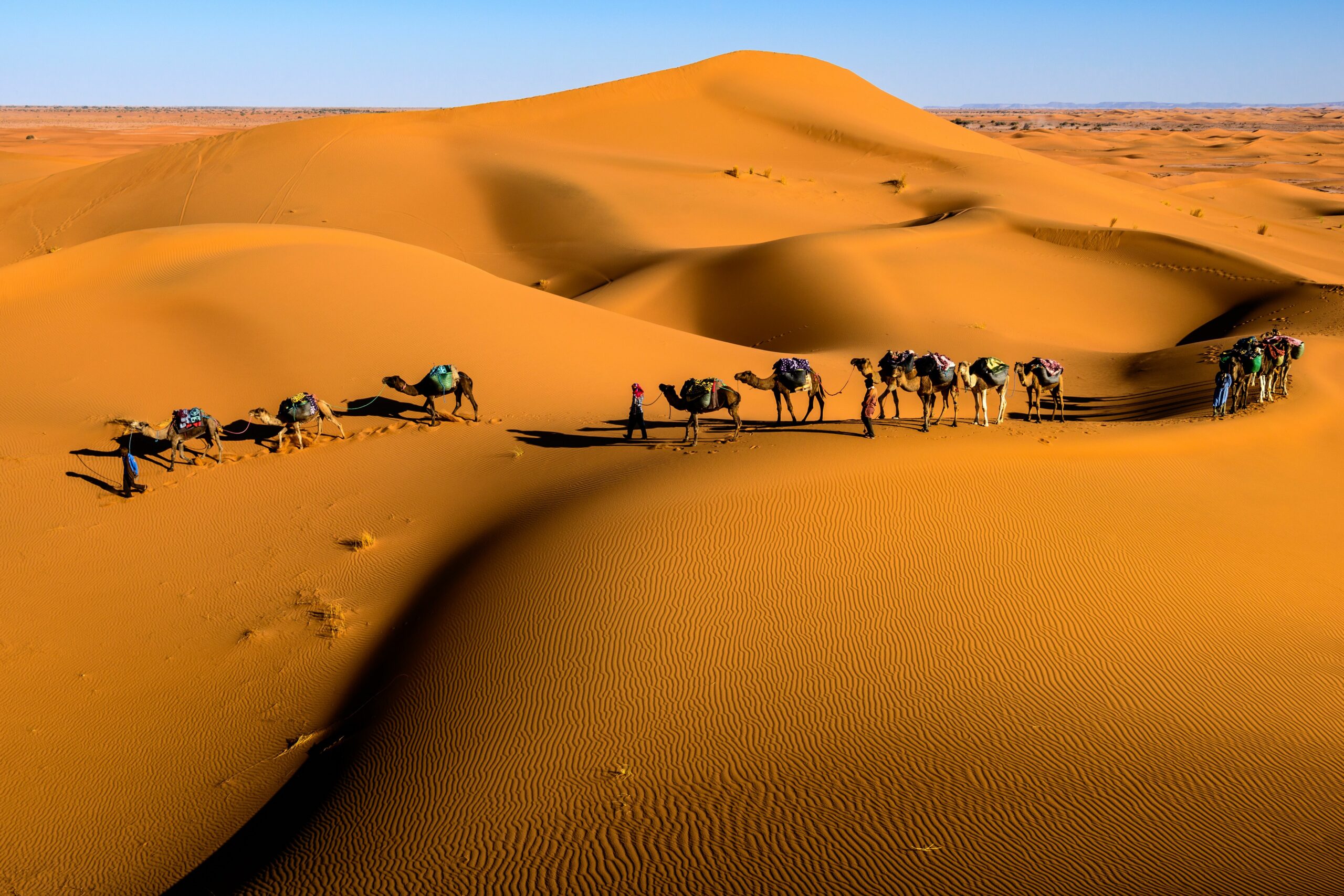
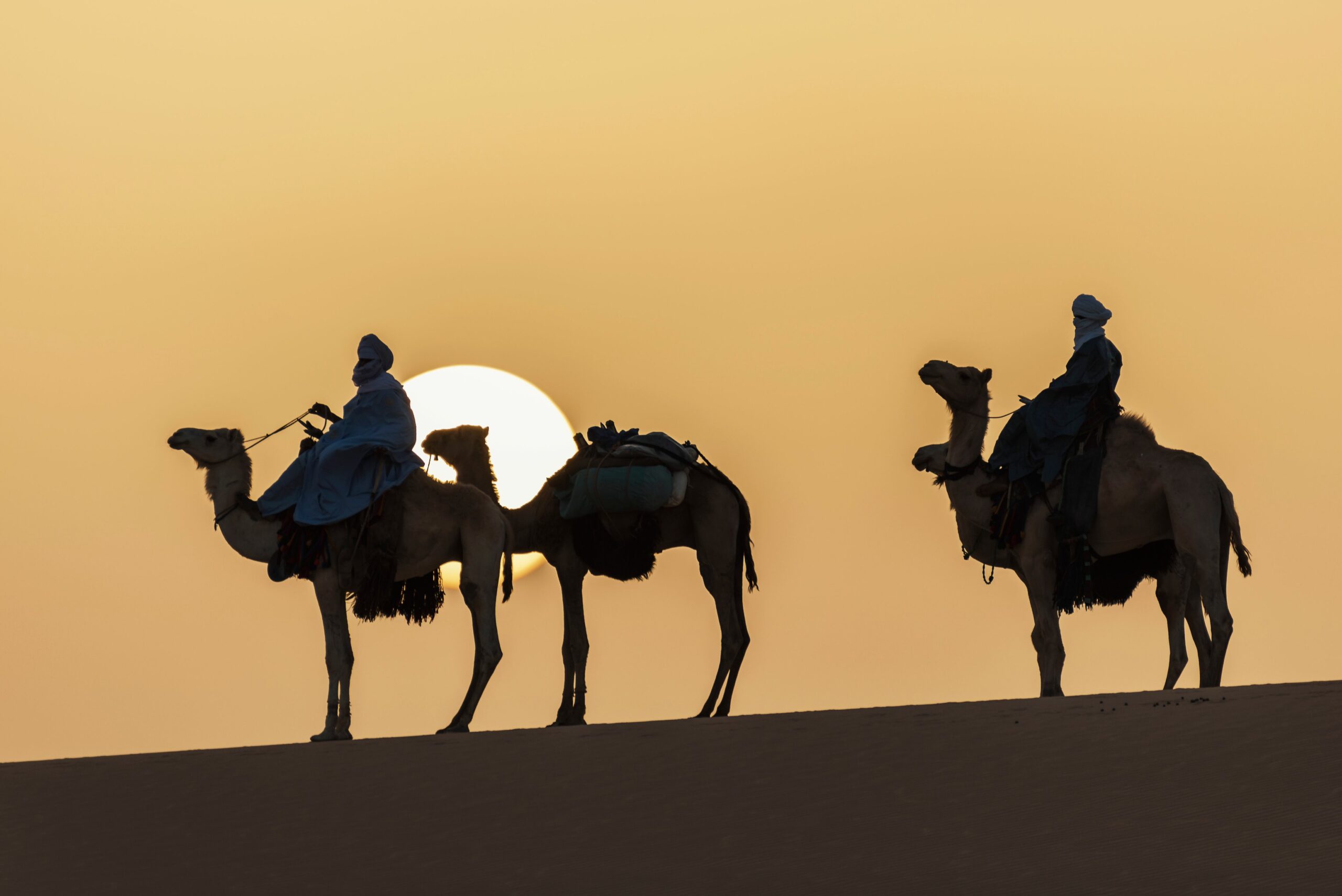
A camel ride across Erg Chebbi is one of the classic Sahara experiences. In the late afternoon, travelers typically leave the edge of the dunes and begin crossing the sand as the temperature becomes more comfortable and the sun starts to descend.

The experience is intentionally slow, giving you time to observe the landscape rather than simply passing through it. As the sun gets lower, the shadows become longer and the color of the dunes gradually changes.

The camel ride usually ends near the desert camp, where you can watch the final moments of sunset before having dinner. If camel riding is not suitable for you, many desert camps can also be reached by 4×4, depending on the tour arrangement.

Spend a Night in a Desert Camp

For many travelers, spending the night in an Erg Chebbi desert camp is the highlight of the entire experience. After crossing the dunes, you arrive at your camp and have time to relax, explore the surrounding area and watch the sunset.

In the evening, dinner is usually served at the camp, and some camps organize traditional music around a fire. Afterward, the desert becomes remarkably quiet, and on clear nights the lack of artificial light can make the night sky one of the most memorable parts of the experience.

Desert camps vary considerably in comfort and facilities. Some offer a simple traditional camping experience, while others provide more comfortable tents with proper beds, private bathrooms and additional amenities. When choosing a camp, check exactly what is included rather than assuming that every camp offers the same standard.

Watch the Sunset Over Erg Chebbi

You do not need a complicated activity to enjoy one of Erg Chebbi’s most beautiful experiences. Simply climbing a nearby dune and watching the sunset can be enough.

As the sun approaches the horizon, the dunes become increasingly defined by long shadows, while the color of the sand changes from pale gold to deeper orange and red. Arriving before sunset gives you enough time to find a good viewpoint and enjoy the changing landscape without rushing.

If photography is important to you, sunset is one of the best opportunities to capture the character of Erg Chebbi. Bring a fully charged phone or camera because the light can change quickly during the final minutes of the day.

Wake Up for Sunrise

Sunrise is just as impressive as sunset, and it is worth getting up early for it.

Before the sun appears, the dunes can feel almost completely silent. As the first light reaches the highest ridges, the landscape gradually becomes visible, with the colors changing from cool shadows to warm golden tones.

Climbing a dune before sunrise requires some effort because walking through loose sand is tiring, but the view from the top can be worth it. After sunrise, you can return to the camp for breakfast before continuing your journey.

Try Sandboarding

If you want something more active, sandboarding is another popular activity around Erg Chebbi. The idea is simple: climb a dune, place your board on the sand and slide down.

The descent is usually the easy part. Walking back up the dune can be surprisingly demanding, especially under the desert sun, so take your time and stay hydrated.

Sandboarding can be enjoyed by beginners as well as more experienced travelers, although conditions and equipment vary between camps and tour operators.

Explore the Desert by 4×4

A 4×4 excursion provides a completely different way to explore the area around Erg Chebbi. Instead of following a direct route to the camp, a desert excursion can take you deeper into the surrounding landscape and introduce you to places that are difficult to reach on foot.

Depending on the itinerary, you may visit desert tracks, local communities, rocky landscapes, palm groves or other points of interest around Merzouga. A 4×4 excursion can be particularly useful for travelers who want to explore more of the region or who prefer not to spend a long time riding a camel.

Visit Dayet Srij

Dayet Srij is a seasonal lake located close to Merzouga. Its presence in the middle of such an arid landscape makes it an interesting natural feature of the region.

When water is present, the lake can attract migratory birds, making the area particularly interesting for birdwatchers and photographers. However, water levels vary according to seasonal conditions, so the landscape can look very different at different times of the year.

Explore the Merzouga Oasis

The Sahara around Erg Chebbi is not simply a sea of sand. Palm groves and oasis landscapes form an important part of the environment around Merzouga.

Exploring these areas gives visitors a better understanding of how people have traditionally adapted to life in a dry desert environment. It also provides a welcome contrast to the dunes and allows you to see a different side of southeastern Morocco.

What Is the Best Time to Visit Erg Chebbi?
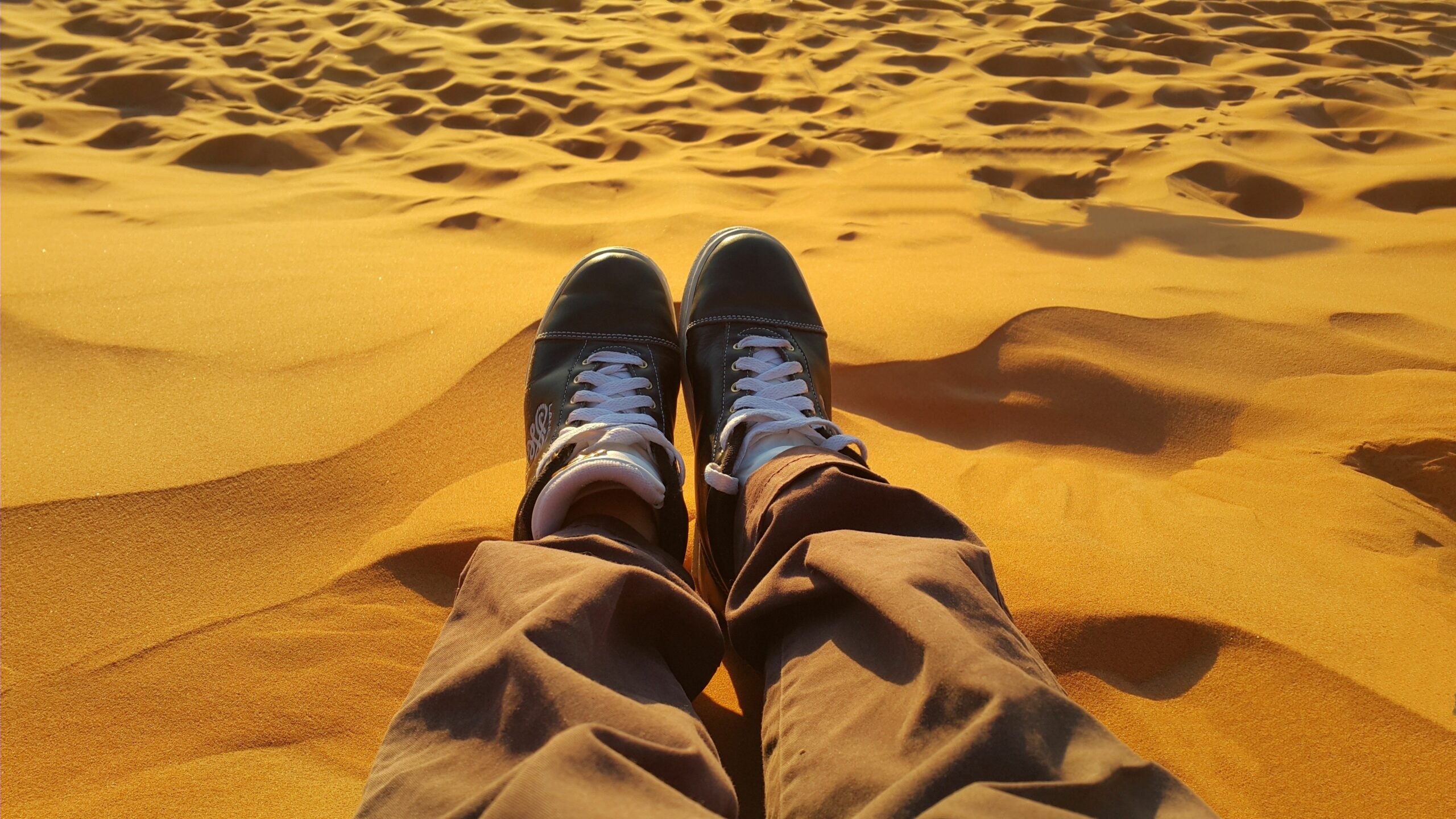
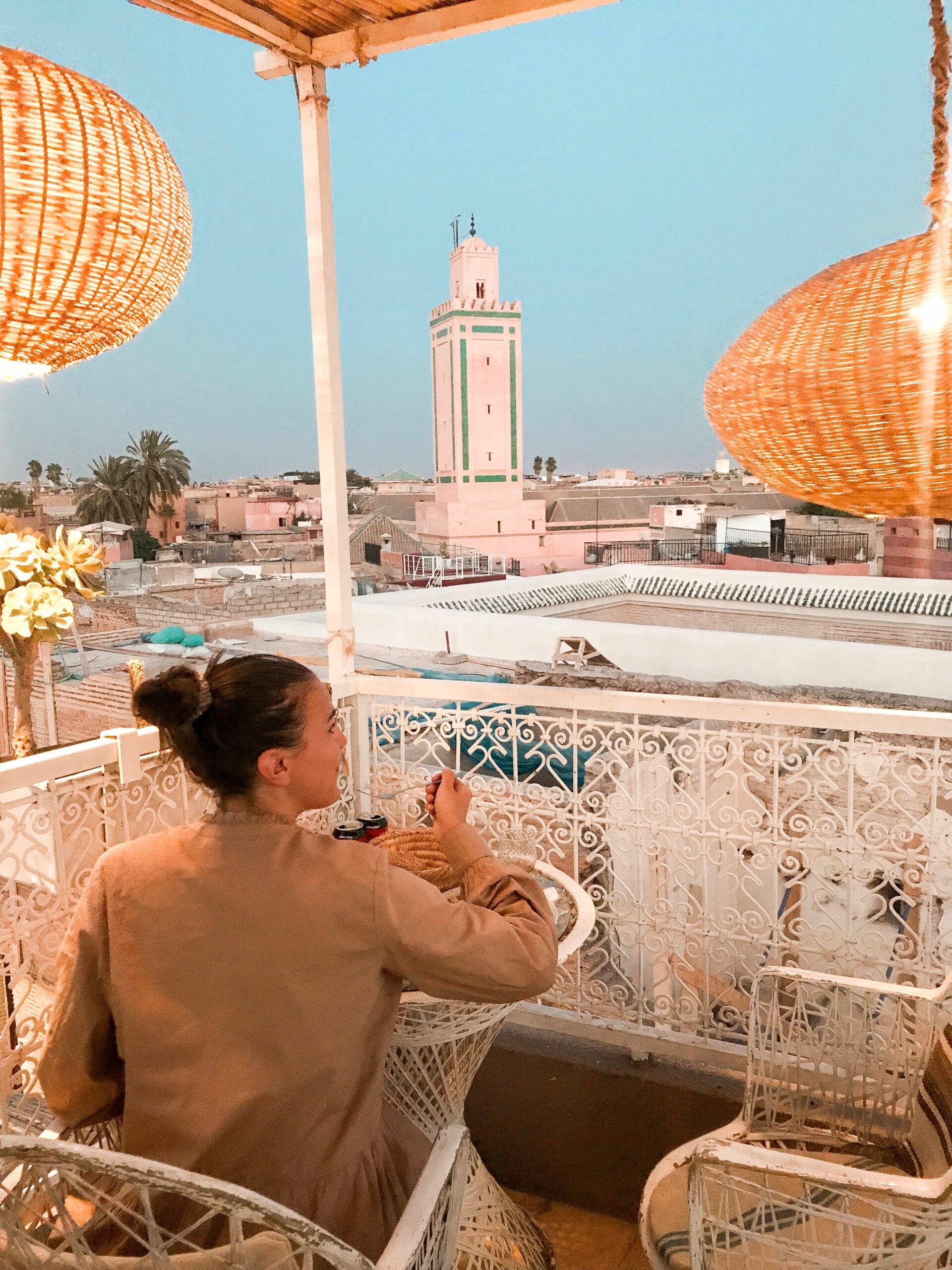
Morocco Winter Travel

Erg Chebbi can be visited throughout the year, but the experience changes significantly depending on the season.

Spring is generally a pleasant time for visiting the desert, with more manageable temperatures than the hottest months of summer. Autumn is also popular because daytime temperatures become more comfortable for camel trekking and outdoor activities.

Summer can be extremely hot in the Sahara, particularly during the middle of the day. Travelers visiting during this season should plan outdoor activities around the cooler morning and late-afternoon periods, drink plenty of water and protect themselves from the sun.

Winter brings cooler daytime conditions but very cold nights. This is especially important if you are staying in a desert camp between November and February. The Sahara can feel pleasantly warm in the afternoon and surprisingly cold after sunset, so warm clothing is essential.

Rather than choosing one season as the universal best time to visit, consider what kind of weather you prefer. If you want comfortable conditions for outdoor activities, spring and autumn are often attractive choices. If you do not mind cold nights, winter can offer beautiful clear skies and comfortable daytime temperatures.

How to Get to Erg Chebbi

Most travelers reach Erg Chebbi as part of a multi-day Morocco itinerary rather than traveling directly to Merzouga.

From Marrakech to Erg Chebbi

The journey from Marrakech to Erg Chebbi takes you through some of the most impressive landscapes in southern Morocco. A typical route crosses the High Atlas Mountains before continuing toward Ait Ben Haddou, Ouarzazate, the Dades Valley, Todra Gorge, Erfoud and Rissani before reaching Merzouga.

If you are starting in Marrakech, Prime Morocco Tours offers a 3 Days Sahara Desert Tour from Marrakech to Merzouga that combines the journey through southern Morocco with a camel ride and an overnight desert experience.

If you prefer a slightly slower itinerary, a 4 Days Desert Tour from Marrakech to Merzouga provides additional time for the journey and desert experience.

From Fes to Erg Chebbi

Fes is another popular starting point for an Erg Chebbi adventure. The route usually crosses the Middle Atlas Mountains before continuing through Midelt, the Ziz Valley, Erfoud and Rissani toward Merzouga.

This journey offers a completely different perspective on Morocco because the landscape gradually changes from the green and mountainous areas around the Middle Atlas to increasingly dry and rocky terrain before reaching the Sahara.

Travelers who want to combine Fes, Erg Chebbi and Marrakech can consider the 3 Days Desert Trip from Fes to Marrakech, which includes the Sahara as part of the journey between the two imperial cities.

For travelers with more time, a 5 Days Tour from Fes to Marrakech via the Atlas and Desert allows a longer and more relaxed experience of the route.

What to Pack for Erg Chebbi

Packing for Erg Chebbi requires some preparation because desert temperatures can change considerably between day and night. Lightweight and comfortable clothing works well during the day, but you should also bring warm layers for the evening.

A warm jacket is especially important if you are visiting during winter. Comfortable closed shoes are useful for walking through the dunes, while sunglasses, sunscreen and a hat can help protect you from the sun.

A reusable water bottle is also useful during outdoor activities. If you are staying at a desert camp, check what facilities and amenities are included before your trip because standards vary from one camp to another.

It is also worth keeping your luggage practical. You do not need a large suitcase for a one-night desert stay, and carrying a smaller overnight bag can make the camel or 4×4 transfer easier.

Is Erg Chebbi Suitable for Families?

Erg Chebbi can be a memorable destination for families, especially for children who enjoy outdoor experiences and discovering new landscapes.

Younger children may find camel riding tiring, while older children often enjoy the dunes, sandboarding and desert camping. Families should pay particular attention to sun protection, hydration and appropriate clothing because temperatures can change significantly throughout the day.

A private Morocco tour can also be a practical option for families because the itinerary can often be adjusted around children’s needs, travel pace and preferred activities.

Erg Chebbi for Couples

For couples, Erg Chebbi offers a completely different atmosphere from Morocco’s cities and coastal resorts.

Watching the sunset from a dune, having dinner at a desert camp and waking up beneath a clear desert sky can make the Sahara an especially memorable part of a romantic Morocco itinerary or honeymoon.

If comfort is important, look carefully at the type of camp you are booking. Some camps offer simple traditional accommodation, while others provide more luxurious tents, private bathrooms and additional services.

Is Erg Chebbi Worth Visiting?

Erg Chebbi is worth visiting not only because of the dunes themselves but because of the complete journey and experience surrounding them. The route from Marrakech or Fes can take you through the Atlas Mountains, ancient kasbahs, dramatic valleys and spectacular gorges before the landscape gradually becomes drier and the Sahara appears. By the time you reach Merzouga, the transformation is part of what makes the destination so memorable.

The dunes then provide a completely different environment where you can slow down, disconnect from the noise of the cities and experience Morocco from another perspective.

If this is your first trip to Morocco and you have enough time, it is usually more rewarding to include Erg Chebbi as part of a longer itinerary rather than treating it as an isolated destination.

Erg Chebbi or Erg Chegaga?

Travelers planning a Morocco desert trip often compare Erg Chebbi with Erg Chegaga. Both are major dune areas, but the experience and access are different. Erg Chebbi, near Merzouga, is generally the more accessible option and has a well-established tourism infrastructure with desert camps, camel rides, 4×4 excursions and a wide range of accommodation.

Erg Chegaga, near M’Hamid, offers a more remote desert experience and usually requires a longer journey into the desert. It can therefore appeal to travelers who prioritize isolation and a less developed environment.

Neither destination needs to be considered universally better. The right choice depends on your itinerary, available time and the type of desert experience you want. For travelers visiting Morocco for the first time and combining Marrakech with the Sahara, Erg Chebbi can be a convenient option because it fits naturally into a longer route through southern Morocco.


Experience Erg Chebbi

Ride through the golden dunes, watch the Sahara sunset and spend a night under the stars.

Where is Erg Chebbi located?

Erg Chebbi is located near Merzouga in southeastern Morocco, within the Drâa-Tafilalet region. It is one of Morocco’s best-known Sahara dune areas.

Is Erg Chebbi the same as the Merzouga Desert?

Not exactly. Merzouga is the village and surrounding area, while Erg Chebbi refers specifically to the large dune field next to it. Because Merzouga is the main gateway to the dunes, the two names are often used interchangeably by travelers and tour companies.

What can you do in Erg Chebbi?

Popular activities include camel trekking, desert camping, watching sunrise and sunset, sandboarding, 4×4 excursions and exploring the surrounding desert and oasis landscapes.

How many nights should I spend in Erg Chebbi?

One night is enough for the classic Sahara experience, including a camel ride, sunset, dinner at a desert camp and sunrise. Two nights are better if you want to explore more of the Merzouga area without rushing.

Is Erg Chebbi cold at night?

Yes, particularly during winter. Although daytime temperatures can be comfortable, temperatures can fall considerably after sunset. Warm layers are recommended, especially if you are staying overnight in a desert camp.

Can I visit Erg Chebbi from Marrakech?

Yes. Erg Chebbi can be visited from Marrakech as part of a multi-day desert itinerary. Routes commonly pass through the High Atlas Mountains, Ait Ben Haddou, Ouarzazate, the Dades Valley and Todra Gorge before reaching Merzouga.

Is Morocco Worth Visiting in Winter?

Absolutely. Winter offers one of the best opportunities to experience Morocco’s incredible geographical and cultural diversity without the extreme heat of summer.

You can explore Marrakech during comfortable daytime temperatures, visit historic Fes, see snow in the mountains, travel through dramatic valleys, and spend a night among the Sahara dunes. The key is simply to plan according to regional weather and pack for temperature changes.

If you are looking for a winter destination that combines culture, adventure, food, mountains, desert, and coastline, Morocco deserves a place on your list.

The best Morocco winter travel experience is not about finding one perfect destination. It is about combining the right places for the season and allowing enough time to enjoy each one.
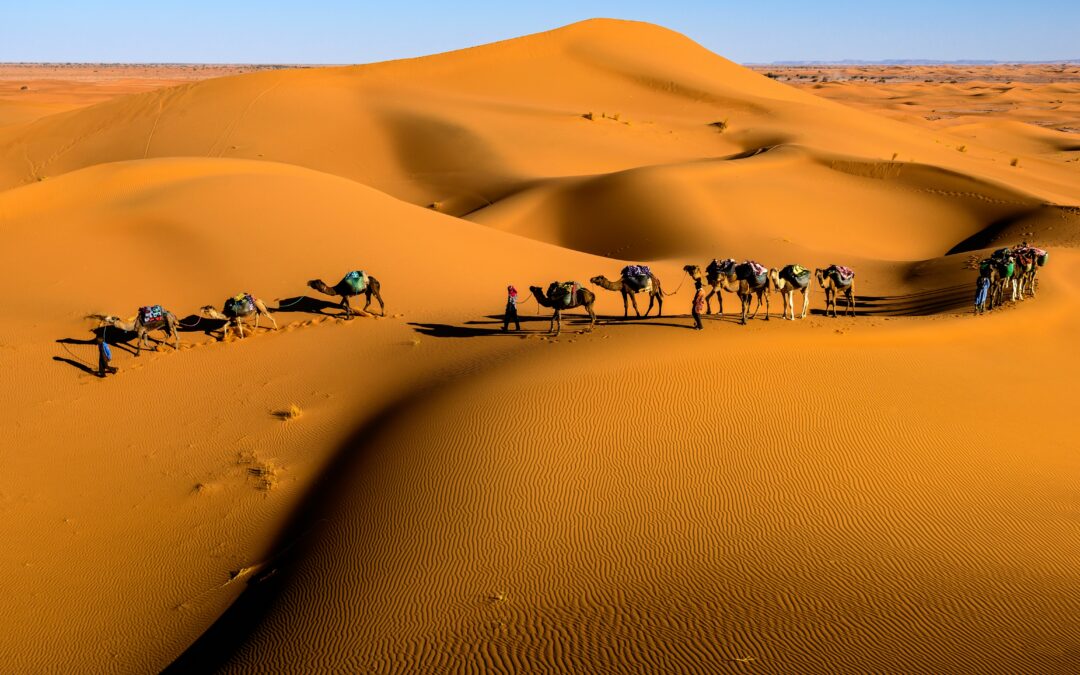
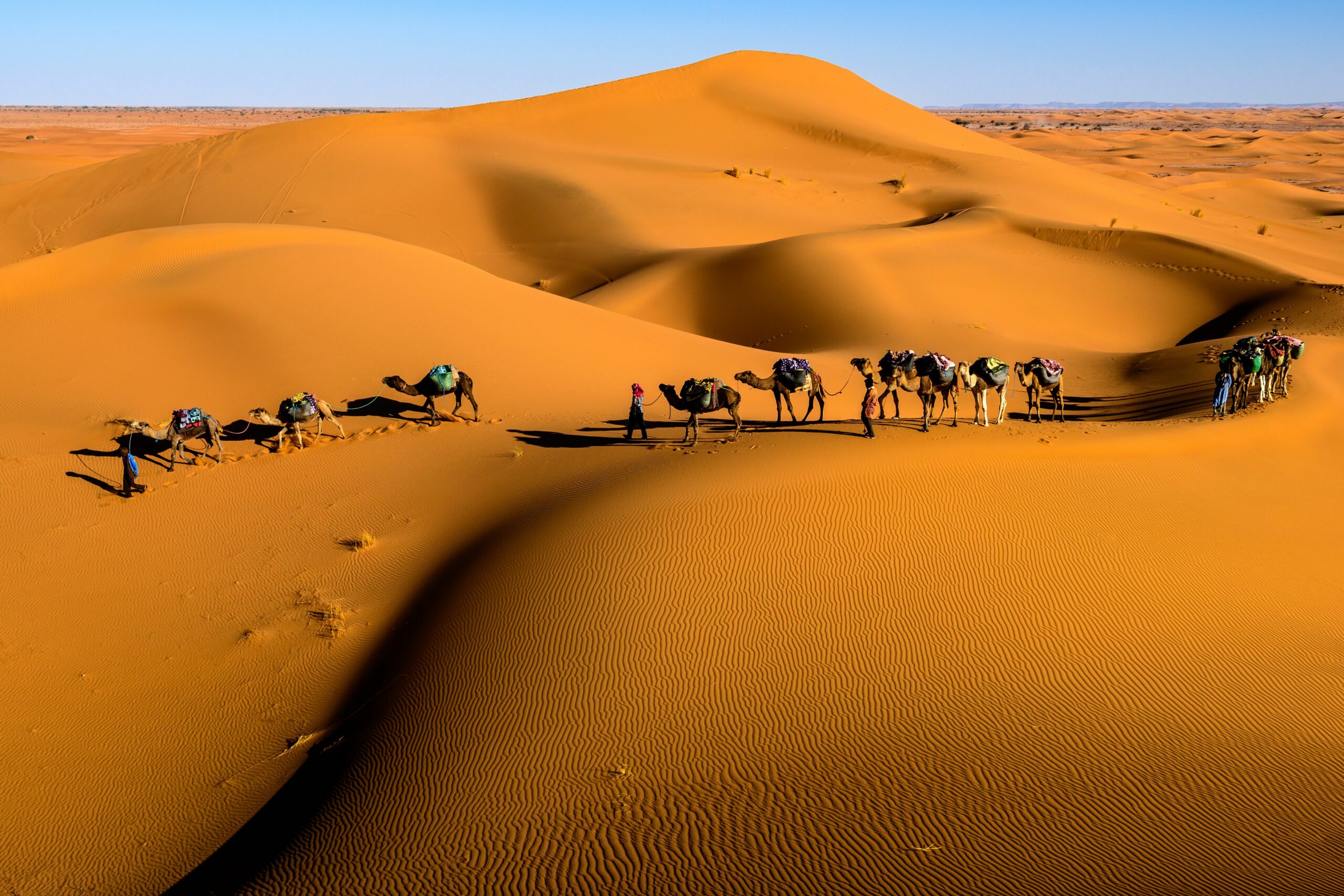
Merzouga or Zagora: Which Desert Should I Visit?

Merzouga or Zagora: Which Desert Should I Visit?

Is It Safe for a Solo Female Traveler to Go to Morocco?

Planning a desert trip in Morocco but not sure whether to choose Merzouga or Zagora? Both destinations offer camel rides, desert camps, spectacular sunsets, and the chance to experience the landscapes of southeastern Morocco, but they are quite different. Merzouga is known for the impressive Erg Chebbi dunes and the classic Sahara experience, while Zagora is easier to reach from Marrakech and works well for travelers with limited time.

Choosing between them mainly depends on what you want from your Morocco desert experience. If your priority is dramatic sand dunes, a wider choice of desert camps, and the feeling of being deep in the Sahara, Merzouga is usually the better choice. If you want a shorter journey from Marrakech and a taste of the desert without spending several days on the road, Zagora can be a more practical option.

Merzouga or Zagora

Merzouga or Zagora: Quick Comparison

Feature

Merzouga

Zagora

Location

Southeastern Morocco

Draa Valley, southeastern Morocco

Main attraction

Erg Chebbi dunes

Draa Valley and desert landscapes

From Marrakech

Longer journey

Closer and easier

Dunes

Large and impressive

Smaller and less extensive

Camel trekking

Excellent

Available

Desert camps

Wide range of options

Available

Best for

Full Sahara experience

Shorter desert trips

Ideal trip length

3+ days

2–3 days

Scenery

Large dunes, rocky desert, oases

Valleys, palms, rocky desert and dunes

Merzouga or Zagora

Merzouga: The Classic Sahara Experience

Merzouga is one of the most famous desert destinations in Morocco, mainly because of the spectacular Erg Chebbi dunes. These golden dunes rise dramatically from the surrounding landscape and create the classic image many travelers have in mind when they think about the Moroccan Sahara. The area is particularly popular for camel trekking, overnight desert camps, sunrise and sunset experiences, and photography.

The journey to Merzouga is longer than the journey to Zagora, but that extra travel time is part of the experience. Routes from Marrakech or Fes cross changing landscapes, including the High Atlas Mountains, valleys, kasbahs, and rocky plateaus before reaching the desert. If you have enough time in Morocco, the journey gives you the opportunity to see much more than just the dunes themselves.

For travelers who want the most recognizable Sahara experience, Merzouga is generally the stronger choice. A trip such as this 3-day Sahara Desert tour from Marrakech to Merzouga combines the road journey with attractions along the way before reaching the Erg Chebbi desert.

Merzouga or Zagora

Zagora: A More Accessible Desert Experience

Zagora is located in the Draa Valley and is one of the more accessible desert destinations from Marrakech. The route takes you through the High Atlas Mountains and the dramatic landscapes around Ouarzazate and the Draa Valley before reaching the desert region. Because the journey is shorter than traveling all the way to Merzouga, Zagora is often considered by travelers who have only a few days available.

The scenery around Zagora is also different from Merzouga. Instead of the enormous golden dunes associated with Erg Chebbi, the region combines rocky desert landscapes, palm groves, mountains, valleys, and smaller areas of sand. This makes Zagora less about massive dunes and more about experiencing the wider landscape and culture of southern Morocco.

Zagora can therefore be a good option if your main goal is to experience a desert camp and camel ride without dedicating several days to the journey. It is particularly practical for travelers who are already visiting Marrakech and want to add a desert experience to their itinerary.

Merzouga or Zagora

Which Has Better Sand Dunes?

If impressive sand dunes are your main priority, Merzouga is the clear winner. Erg Chebbi is one of Morocco’s most famous dune fields, with large, sweeping dunes that can reach significant heights and extend across the horizon. The landscape provides the classic Sahara setting that many travelers imagine when planning a Morocco desert trip.

Zagora has sandy areas and offers desert experiences, but its landscape is generally more varied and less dominated by huge dunes. You will find rocky terrain, palm groves, dry valleys, and desert scenery rather than the extensive sea of golden sand associated with Erg Chebbi.

This difference is important when choosing your destination. If you have always wanted photographs of yourself walking across large golden dunes or watching the sun rise over an expansive sea of sand, Merzouga will probably give you the experience you are looking for.

Merzouga or Zagora From Marrakech

Merzouga or Zagora

The distance and travel time from Marrakech are among the biggest differences between the two destinations. Zagora is closer, making it possible to experience the region on a shorter itinerary, while reaching Merzouga requires a longer journey through the interior of Morocco.

The road to Merzouga can actually be one of the highlights of the trip because it passes through some of the country’s most varied landscapes. Depending on your itinerary, you can travel through the High Atlas, visit the area around Ouarzazate, explore the Dades or Todra valleys, and continue toward the Sahara.

For travelers who have three or more days available, Merzouga is usually worth the additional travel time. If your schedule is very tight and you want to return to Marrakech quickly, Zagora may make more sense.

Which Is Better for a Morocco Desert Tour?

The best desert destination depends heavily on how much time you have. A short itinerary can make Zagora attractive because less time is spent driving, leaving you more time to enjoy the desert experience itself. Merzouga generally works better when you can dedicate at least three days to the journey and want to combine the Sahara with other attractions in southern Morocco.

A longer itinerary also allows you to slow down instead of treating the desert as a quick overnight stop. For example, travelers can choose a 5-day desert tour from Marrakech or a longer route if they want more time for valleys, kasbahs, mountain scenery, and desert activities.

The advantage of a longer desert tour is that the journey becomes part of the holiday rather than simply transportation between Marrakech and the Sahara. You get more opportunities to stop, explore, take photographs, and experience different parts of the country.

Camel Trekking: Merzouga vs Zagora

Sahara Desert in December

Camel trekking is available in both destinations, but the scenery makes the experience different. In Merzouga, camel rides usually take place among the large Erg Chebbi dunes, which makes the experience particularly memorable around sunset and sunrise. Riding across the sand while the dunes change color in the evening light is one of the area’s most popular experiences.

Zagora also offers camel trekking, and it can be a great introduction to the desert for first-time visitors. However, the landscape is generally less dominated by large dunes, so the experience feels different from riding through Erg Chebbi.

If the camel ride itself is important to you, both destinations can work. If you want the most dramatic setting for your camel trek, however, Merzouga has the advantage.

Which Has Better Desert Camps?

Merzouga or Zagora

Merzouga offers a particularly wide range of desert camps, from simple traditional tents to more comfortable luxury-style camps. Many camps are positioned among or near the Erg Chebbi dunes, allowing visitors to enjoy the landscape directly from their accommodation.

A typical Merzouga desert camp experience can include a camel ride before sunset, dinner around a campfire, traditional music, and a night under the stars. Some camps offer private bathrooms, comfortable beds, electricity, and other facilities for travelers who want a more comfortable version of the traditional desert experience.

Zagora also has desert camps, but the overall experience is generally less focused on the dramatic dune environment. If staying overnight in a beautiful desert camp is one of the main reasons for your trip, Merzouga offers more choice and a stronger visual setting.

Which Is Better for Families?

Families can enjoy either destination, but the best option depends on the children’s ages and how they handle long journeys. Zagora may be easier for families who want a shorter route from Marrakech, particularly when traveling with younger children.

Merzouga can be an excellent family experience for those who do not mind longer driving days. Children often enjoy camel rides, desert camps, sand dunes, and the novelty of spending a night in the Sahara. The key is to choose an itinerary that includes enough stops and avoids rushing from one destination to another.

Families with more time should consider a longer itinerary rather than trying to reach Merzouga and return to Marrakech as quickly as possible. A slower route makes the journey more comfortable and gives everyone more opportunities to enjoy the landscapes along the way.

Which Is Better for Couples?

For couples, Merzouga is often the more romantic choice because of its large dunes and dramatic sunsets. Watching the sun disappear behind the Erg Chebbi dunes, enjoying dinner at a desert camp, and waking up early for sunrise can create some of the most memorable moments of a Morocco trip.

Zagora can also be a good choice for couples who want a quieter desert experience without spending as much time traveling. Its combination of palm groves, valleys, desert landscapes, and traditional communities provides a different atmosphere.

If your idea of a romantic Moroccan escape involves golden dunes, a private desert camp, and long desert views, Merzouga is likely to be the better match.

Which Is Better for Photography?

Photography is another area where Merzouga has a clear advantage if you are looking for classic Sahara images. The large dunes create strong shapes, shadows, and textures, particularly during the early morning and late afternoon. Sunrise and sunset can transform the sand from pale gold to orange, red, and darker shades depending on the light.

Zagora offers a different range of photographic subjects. The Draa Valley, palm groves, kasbahs, mountains, villages, and rocky desert provide more variety, so photographers interested in landscapes and cultural scenes may appreciate the region.

The choice therefore depends on your photographic style. For dramatic dune photography, choose Merzouga; for a broader mixture of desert, valley, oasis, and cultural landscapes, Zagora can be very rewarding.

Which Desert Feels More Remote?

Merzouga feels more like the remote Sahara experience many international travelers expect. Once you reach Erg Chebbi, the huge dunes and open desert create a strong sense of distance from Morocco’s major cities.

Zagora is also surrounded by desert landscapes, but its location in the Draa Valley means the experience is closely connected with palm groves, villages, agricultural areas, and traditional settlements. It feels less isolated and more connected to the valley environment.

Neither destination is necessarily more authentic than the other. They simply showcase different sides of southern Morocco, and your choice should depend on the type of landscape and experience you want.

Is Merzouga More Expensive Than Zagora?

The total cost of a desert trip depends on the length of the itinerary, transportation, accommodation, meals, activities, and the type of desert camp you choose. Merzouga tours can cost more because the journey from Marrakech or Fes is longer and usually requires more time.

However, it is better to compare complete itineraries rather than focusing only on the price of the desert camp. A cheaper short tour may not offer the same number of stops, accommodation quality, or travel experience as a longer private itinerary.

If your budget allows, consider what is included in the total price, such as transportation, accommodation, meals, camel trekking, and transfers. This gives you a much more realistic comparison between Merzouga and Zagora.

Can I Visit Both Merzouga and Zagora?

Yes, it is possible to include both destinations in a longer Morocco itinerary, although it is not necessary for most travelers. Visiting both can make sense if you have plenty of time and want to explore different landscapes in southern Morocco.

However, there is some overlap between the experiences. If your main objective is simply to enjoy a desert camp and camel ride, visiting one destination is usually enough. Choosing Merzouga gives you the opportunity to experience the large Erg Chebbi dunes, while choosing Zagora allows you to experience the Draa Valley and a more accessible desert region.

Instead of trying to visit every desert destination, it is often better to spend more time exploring the area you choose. A well-planned itinerary can include mountains, valleys, kasbahs, oases, villages, and desert landscapes without making the trip feel rushed.

Merzouga or Zagora: Which One Should You Choose?

Choose Merzouga if you want the classic Sahara experience, large golden dunes, spectacular desert scenery, camel trekking, and a wide choice of desert camps. It is especially suitable for travelers who have at least three days available and consider the Sahara one of the highlights of their Morocco trip.

Choose Zagora if you have less time, are traveling from Marrakech, or want to experience the desert without committing to the longer journey toward Merzouga. The region offers a combination of desert landscapes, palm groves, valleys, and cultural scenery that makes it a worthwhile destination in its own right.

For most first-time visitors who have enough time, Merzouga is the better choice. Its Erg Chebbi dunes provide the most iconic Sahara landscape in Morocco, while the journey there can also introduce you to some of the country’s most spectacular mountain and desert scenery.

Is Merzouga or Zagora better for first-time visitors?

Merzouga is generally the better choice for first-time visitors who want the classic Moroccan Sahara experience. The Erg Chebbi dunes are larger and more visually impressive, and the area offers many options for camel trekking and desert camps. Zagora is a better alternative when travel time is a major concern.

Is Merzouga worth the longer journey from Marrakech?

Yes, especially if you have at least three days available. The journey to Merzouga passes through mountains, valleys, kasbahs, and changing landscapes before reaching the Sahara, so the road trip itself becomes part of the experience. The large Erg Chebbi dunes are also very different from the landscapes around Marrakech.

Can I visit Zagora in two days from Marrakech?

A short trip to Zagora is possible, although the amount of driving can still be significant. Travelers with only two days should plan their itinerary carefully so they have enough time to enjoy the desert rather than spending almost the entire trip on the road.

Which desert has the biggest dunes in Morocco?

Merzouga’s Erg Chebbi is one of Morocco’s best-known dune areas and offers much larger and more extensive dunes than the sandy landscapes around Zagora. This is one of the main reasons travelers choose Merzouga for their first Sahara experience.

Should I choose Merzouga or Zagora for a desert camp?

If the desert camp itself is one of the main highlights of your trip, Merzouga is usually the better choice. The camps around Erg Chebbi offer a dramatic setting among the dunes, with options ranging from traditional tents to more comfortable luxury-style camps.

Is It Safe for a Solo Female Traveler to Go to Morocco?

Is It Safe for a Solo Female Traveler to Go to Morocco?

Is It Safe for a Solo Female Traveler to Go to Morocco?

Yes, Morocco can be a safe and rewarding destination for solo female travelers, but it is important to travel with the same awareness you would use in any unfamiliar country. Millions of visitors travel around Morocco each year, and many women visit independently, stay in riads, explore cities, take trains, join desert tours, and travel between destinations without major problems. At the same time, Morocco has its own cultural norms and some situations, particularly unwanted attention, scams, or harassment in busy tourist areas, can make solo travel feel uncomfortable if you are not prepared.

The key is not to approach Morocco as either completely risk-free or inherently dangerous. A better approach is to understand where you are going, know how to handle common situations, choose reliable transportation and accommodation, and trust your instincts. With sensible planning, solo female travelers can experience Marrakech, Fes, Chefchaouen, Essaouira, the Atlas Mountains, and the Sahara with confidence.

Is Morocco safe for solo female travelers

Is Morocco Safe for Women Traveling Alone?

For most solo female travelers, Morocco is a manageable destination when basic precautions are followed. Tourist areas are generally busy, accommodation options are widely available, and Morocco has a well-developed tourism industry with trains, buses, taxis, private transfers, guides, and organized tours connecting major destinations. The main challenges for solo women are more likely to involve unwanted attention, persistent sellers, unofficial guides, petty scams, or uncomfortable interactions rather than serious violent crime.

Your experience can also vary depending on where you travel. A busy medina in Marrakech or Fes can feel overwhelming because of crowds, narrow streets, motorcycles, sellers, and people trying to attract tourists, while a smaller coastal town such as Essaouira may feel considerably more relaxed. Rural areas and remote mountain or desert regions require different planning, especially if you are traveling alone without local support.

It is also worth remembering that feeling uncomfortable and being in actual danger are not the same thing. A person repeatedly trying to sell you something, asking personal questions, or following you for a short distance can be unpleasant and should be taken seriously, but it does not automatically mean that you are in immediate danger. Knowing how to respond calmly and when to walk away is one of the most useful skills for solo travel in Morocco.

Is Morocco safe for solo female travelers

What Are the Main Safety Concerns for Solo Female Travelers?

The most common issue reported by female travelers is unwanted attention. This can range from comments and staring to persistent attempts to start conversations or accompany you, particularly in tourist-heavy areas. Most situations can be handled by staying confident, keeping interactions brief, moving toward busier areas, and avoiding giving strangers unnecessary personal information.

Scams are another common concern, particularly in major tourist destinations. Someone may tell you that a road is closed, offer to show you the way, claim to be an official guide, or quote a price that changes later. Not every friendly person offering assistance has bad intentions, but it is safer to use official guides, reputable tour operators, your accommodation, or established transportation services when you need help.

Petty theft can also happen in crowded areas, just as it can in other popular destinations. Keep your phone and wallet secure in busy medinas, markets, train stations, and public transportation, and avoid leaving valuable belongings unattended. These simple habits are usually more useful than worrying constantly about your belongings.

Is It Safe to Walk Alone in Morocco?

Walking alone can be perfectly reasonable during the day, particularly in busy areas where other people are around. Many female travelers explore Moroccan cities independently, visit markets, walk through historic neighborhoods, and enjoy cafés or restaurants without needing a companion. The important thing is to remain aware of your surroundings and understand that the atmosphere can change considerably after dark.

At night, it is better to be more selective about where you walk alone. If you are unfamiliar with an area, especially outside the main tourist districts, consider taking a reputable taxi or arranging transportation through your accommodation rather than walking long distances by yourself.

This does not mean you need to stay inside after sunset. Marrakech, Essaouira, Fes, Casablanca, Rabat, and other Moroccan cities have active evening life, and many visitors go out for dinner or explore central areas after dark. The sensible approach is simply to stay in well-populated areas, avoid isolated streets, and use reliable transportation when necessary.

Is Morocco safe for solo female travelers

Is Marrakech Safe for Solo Female Travelers?

Marrakech is one of the easiest places in Morocco to visit as a solo traveler because it has a large tourism infrastructure. There are numerous hotels, riads, restaurants, tour operators, guides, taxis, and activities designed for international visitors. The main challenge is often the intensity of the medina rather than physical danger.

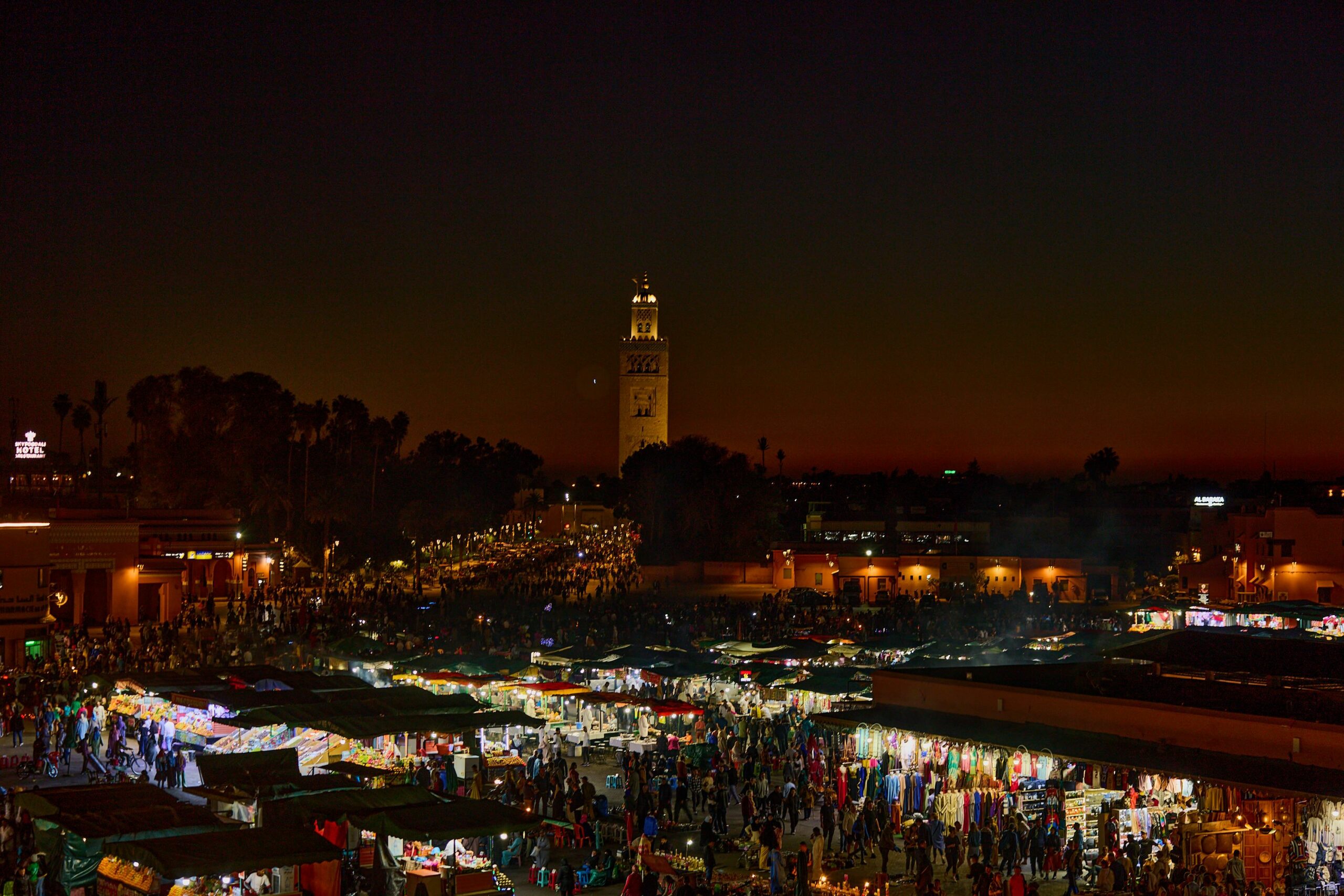
Jemaa el-Fna and the surrounding souks can become extremely busy, particularly during peak tourist periods. Sellers may be persistent, unofficial guides may approach you, and motorcycles can move quickly through narrow streets. Staying calm, walking with purpose, and politely but firmly declining unwanted offers can make a major difference.

If you are staying in the medina, choose accommodation with good reviews and clear directions for reaching it. Some riads are located deep inside pedestrian streets, and arriving for the first time after dark can be confusing. Asking your accommodation to arrange a pickup or provide clear instructions can make your arrival much easier.

Is Fes Safe for Solo Women?

Is Morocco safe for solo female travelers

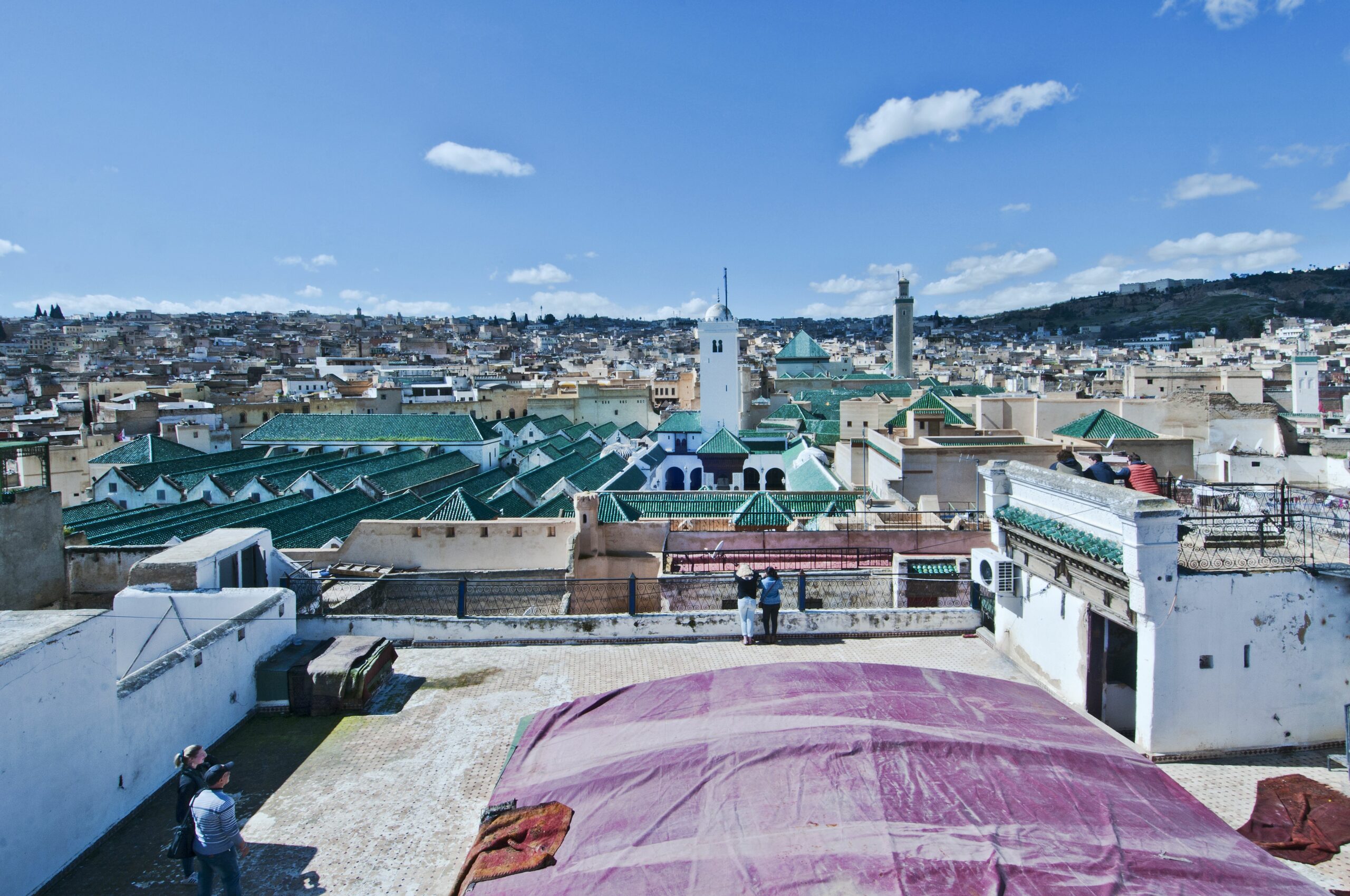
Fes is generally a worthwhile destination for solo travelers, but its historic medina can feel more complicated to navigate than some other Moroccan cities. Fes el-Bali is a huge network of narrow streets, shops, workshops, and residential areas, and it is easy for first-time visitors to lose their sense of direction.

One of the best ways to make your visit easier is to arrange a reputable local guide if you want to explore the deeper parts of the medina. A guide can help you understand the history and architecture while reducing the stress of constantly checking directions. If someone approaches you claiming to be an official guide, however, do not automatically accept the offer; arrange a guide through your accommodation or a recognized tourism provider instead.

During the day, the medina is lively and full of activity. As with Marrakech, you should use greater caution late at night and avoid wandering through unfamiliar or deserted streets alone.

Is Chefchaouen Safe for Solo Female Travelers?

Is Morocco safe for solo female travelers

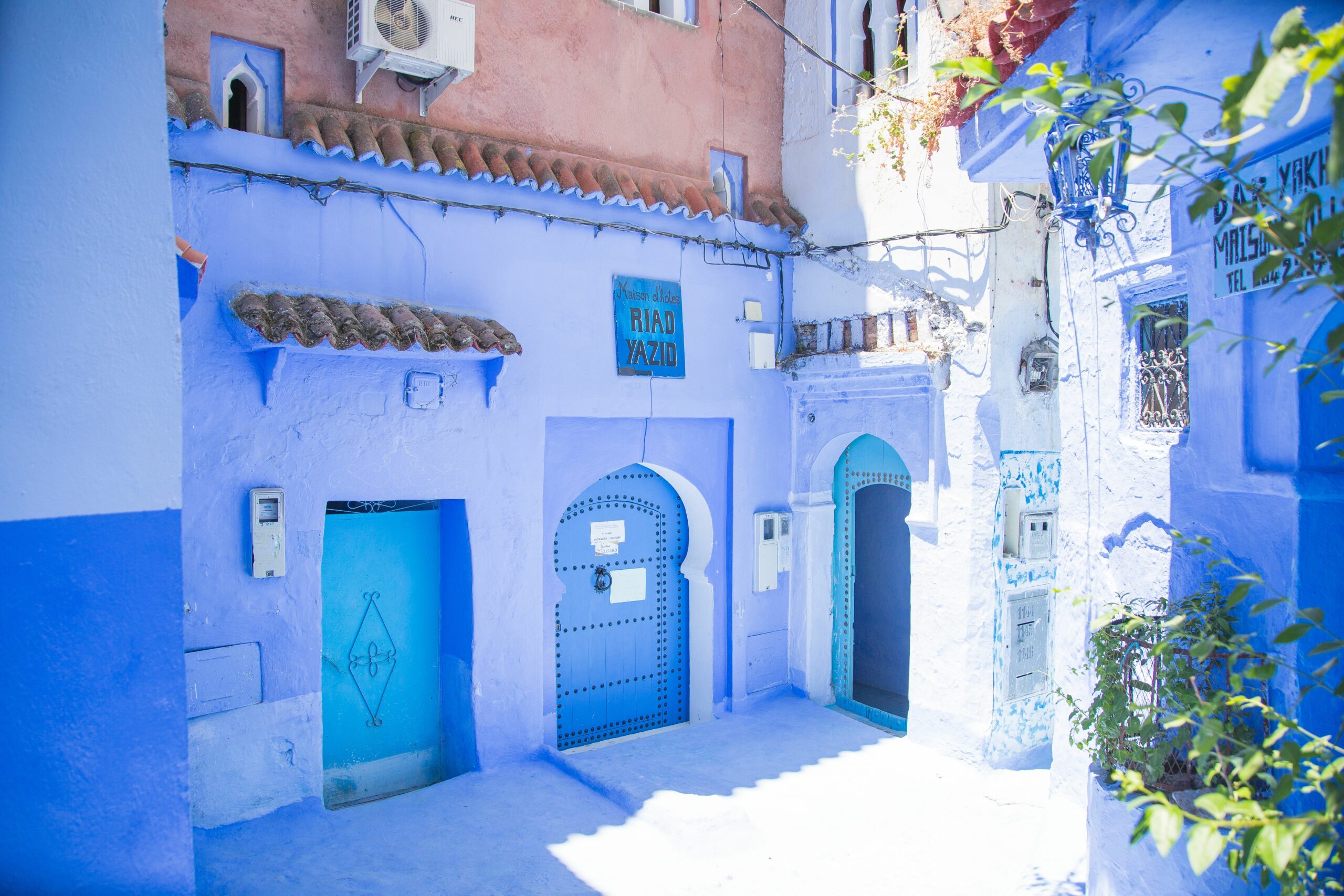
Chefchaouen is often considered one of the more relaxed destinations for travelers in Morocco. The famous blue streets attract visitors from around the world, and the town has a strong tourism infrastructure despite being much smaller than Marrakech or Fes.

Its compact size makes it relatively easy to explore on foot during the day. You can spend time walking through the medina, visiting viewpoints, stopping at cafés, and exploring the surrounding streets without needing complicated transportation.

As always, normal precautions still apply. Keep your belongings secure, be cautious with strangers who offer unsolicited services, and use reputable accommodation and transportation when leaving the town.

Is Essaouira Safe for Solo Female Travelers?

Is Morocco safe for solo female travelers

Essaouira is another destination that can work particularly well for solo female travelers. The coastal atmosphere is generally more relaxed than the intensity of Marrakech, and the medina is compact enough to explore relatively easily.

The city is known for its historic walls, fishing port, seafood, beaches, cafés, and artistic atmosphere. It can be a comfortable place to slow down after spending time in larger Moroccan cities.

Solo travelers should still use common sense, particularly at night or around quieter areas. But for someone looking for a more relaxed stop during a Morocco itinerary, Essaouira can be an excellent choice.

What Should Women Wear in Morocco?

Is Morocco safe for solo female travelers

Morocco is a Muslim-majority country with a generally conservative culture, although the level of conservatism varies significantly between cities, tourist areas, coastal destinations, and rural communities. Female travelers do not need to completely change their personal style, but dressing somewhat modestly can make interactions more comfortable and help you blend into the local environment.

Loose trousers, long skirts, dresses that cover the knees, and tops that cover the shoulders are practical choices, particularly when visiting smaller towns, rural areas, religious sites, or traditional neighborhoods. In beach destinations and tourist hotels, clothing can be considerably more relaxed.

A lightweight scarf can also be useful, especially when visiting religious or conservative areas. The goal is not to follow an unnecessarily strict dress code but to show awareness of the local culture and adapt to the environment you are visiting.

Can Solo Women Drink Alcohol in Morocco?

Is Morocco safe for solo female travelers

Alcohol is available in Morocco, particularly in licensed hotels, restaurants, bars, and tourist establishments, but public drinking is not appropriate. If you choose to drink, do so in a licensed establishment and keep your consumption moderate, especially when traveling alone.

Being intoxicated in an unfamiliar environment can make you significantly more vulnerable to scams, theft, unwanted attention, or transportation problems. This is true in Morocco just as it is in any other country.

If you want to enjoy an evening out, choose a reputable venue and arrange your transportation back to your accommodation in advance when possible.

Is It Safe to Take Trains Alone in Morocco?

Is Morocco safe for solo female travelers

Train travel can be a convenient option for solo travelers because Morocco has an extensive rail network connecting several major cities. Routes between places such as Marrakech, Casablanca, Rabat, Meknes, and Fes are commonly used by both residents and tourists.

Keep your luggage and valuables close, particularly when stations and trains are crowded. It is also a good idea to know your destination and accommodation address before arriving, rather than trying to figure everything out while standing outside the station.

For longer journeys or destinations not directly connected by rail, buses, private transfers, or organized tours may be more practical. Choosing transportation based on the route rather than trying to travel independently at all costs is often the easiest approach.

Is It Safe to Take Taxis Alone?

Taxis are widely used in Morocco, but the experience can vary between cities. In many places, petit taxis are used for journeys within the city, while larger taxis may be used for longer routes or travel between towns.

Before getting into a taxi, understand whether the vehicle uses a meter or agree on the price in advance when appropriate. If you are unsure about the normal procedure, ask your hotel or riad for advice or have them arrange transportation for you.

For airport transfers, late-night journeys, or longer trips, pre-arranged transportation can be more comfortable for solo travelers. It removes the uncertainty of negotiating with drivers immediately after arriving in an unfamiliar place.

Should Solo Female Travelers Book Tours?

Solo travel does not mean that every part of the trip has to be completely independent. In fact, joining organized tours can be one of the best ways to make a Morocco trip easier and more enjoyable.

A desert tour is a good example. Traveling alone across remote areas toward the Sahara can require more planning than visiting a major city, while an organized itinerary provides transportation, accommodation, activities, and local knowledge. A 3-day Sahara Desert tour from Marrakech to Merzouga can allow a solo traveler to experience the desert without having to organize every part of the journey independently.

Longer tours can also make sense if you want to combine several destinations. Instead of constantly arranging transportation, accommodation, and activities yourself, you can have a structured itinerary while still enjoying time on your own.

Is It Safe to Stay in a Riad Alone?

Staying in a riad can be a wonderful part of traveling through Morocco. Many traditional riads are located inside historic medinas and offer a much more personal experience than large hotels.

When traveling alone, pay particular attention to recent reviews and choose accommodation with a good reputation. Look for places that have clear check-in procedures, responsive staff, and reliable communication before arrival.

It is also useful to tell the accommodation roughly when you expect to arrive, especially if the property is inside a complicated medina. Having someone meet you or guide you to the entrance can prevent unnecessary stress.

How Should Solo Female Travelers Handle Unwanted Attention?

The best response is usually calm, brief, and confident. You do not owe a stranger a conversation simply because they approach you, and you do not need to explain yourself when you want to leave an interaction.

A simple “No, thank you” followed by continuing to walk is often enough. If someone continues following you or becomes aggressive, move toward a busy shop, hotel, restaurant, or other populated location and ask staff or nearby people for assistance.

Avoid escalating a situation unnecessarily, but do not be afraid to be firm when your boundaries are being ignored. Confidence and awareness often discourage persistent behavior more effectively than appearing frightened or uncertain.

What About Dating and Meeting People in Morocco?

Solo travelers often meet people during their journeys, whether through hostels, riads, tours, cafés, or social activities. There is nothing wrong with making new friends, but it is important to apply the same safety standards you would use anywhere else.

Be cautious about sharing your accommodation details, travel plans, financial information, or personal documents with people you have just met. If you decide to meet someone outside your accommodation, choose a public place and let someone you trust know where you are.

Traveling alone can encourage meaningful interactions with locals and other travelers, but being open does not mean you have to ignore your instincts. If something feels uncomfortable or too good to be true, you are allowed to walk away.

What Should Solo Female Travelers Pack?

Packing for Morocco is relatively straightforward, but a few items can make solo travel more comfortable. Comfortable walking shoes are essential because medinas often have uneven streets and many areas are pedestrian-only.

A lightweight scarf, modest layers, a secure crossbody bag, portable phone charger, reusable water bottle, and copies of important documents are also useful. For a desert trip, add warm layers because Sahara nights can become surprisingly cold, particularly outside the summer months.

You do not need to pack excessively. The most important things are comfortable clothing, secure storage for valuables, reliable communication, and anything you personally need to feel confident while traveling.

Practical Safety Tips for Solo Female Travelers in Morocco

Before leaving for Morocco, save your accommodation details, important telephone numbers, travel documents, and transportation information somewhere you can access offline. Share your general itinerary with someone you trust, particularly if you are planning to visit remote areas or travel independently.

When exploring cities, keep your phone and valuables secure and avoid displaying expensive jewelry or large amounts of cash. Be careful when accepting unsolicited help, particularly from people who immediately ask for money or insist that you need their services.

Most importantly, trust your instincts. If a situation feels wrong, you do not need to remain polite at the expense of your own comfort or safety. Walk away, enter a busy establishment, contact your accommodation, or seek assistance when necessary.


What Are the Safest Places in Morocco for Solo Female Travelers?

There is no single list of places that can guarantee safety, because your experience depends on your accommodation, transportation, time of day, and personal circumstances. However, destinations with established tourism infrastructure can be easier for first-time solo travelers because they offer more accommodation, transportation, guided activities, and support.

Marrakech, Essaouira, Chefchaouen, Fes, Rabat, and the major coastal destinations can all work well when approached with sensible precautions. The Sahara can also be a fantastic experience for solo travelers, particularly when booked through a reputable tour operator rather than attempting to arrange every part of a remote desert journey independently.

For a first visit, combining independent city exploration with a few organized experiences can be a good balance. You get the freedom of solo travel without having to manage every logistical challenge alone.

Is Morocco Safe for a Woman Traveling Alone for the First Time?

Morocco can be a very good destination for a first solo trip, especially if you prepare before arriving. The country offers a relatively easy combination of major tourist infrastructure, diverse landscapes, affordable accommodation options, and many opportunities to join organized activities.

The first few days may feel intense, particularly if you begin in Marrakech or Fes. The sounds, traffic, crowds, unfamiliar streets, and constant activity can be a lot to process, but most travelers become more comfortable once they understand how the cities work.

You do not have to prove anything by traveling completely independently. Booking a reliable airport transfer, staying in well-reviewed accommodation, joining a day tour, or arranging a private desert trip can make your first experience much more comfortable while still allowing you plenty of independence.

Final Thoughts: Is Morocco Safe for Solo Female Travelers?

So, is it safe for a solo female traveler to go to Morocco? Yes, Morocco can be a safe and memorable destination for women traveling alone, provided you use normal travel precautions and take the local environment seriously. The biggest challenges are often cultural differences, unwanted attention, scams, crowded areas, and navigating unfamiliar places rather than the country being inherently unsafe.

The best approach is to be confident without being careless. Choose reputable accommodation and transportation, keep your valuables secure, dress appropriately for the environment, avoid isolated areas at night, and do not hesitate to leave an uncomfortable situation.

Morocco is a country where the journey can be as memorable as the destination. From the medinas of Marrakech and Fes to the blue streets of Chefchaouen, the Atlantic coast, the Atlas Mountains, and the Sahara, solo female travelers can experience a huge amount of the country while maintaining their independence. With good preparation and realistic expectations, traveling alone in Morocco can be not only safe but also an incredibly rewarding experience.

Is Morocco safe for a woman traveling alone?

Yes, many women travel independently through Morocco every year. The main concerns are usually unwanted attention, scams, petty theft, and navigating unfamiliar areas rather than serious crime. Staying aware of your surroundings and using reputable accommodation, transportation, and tour providers can make the experience much easier.

Is Marrakech safe for solo female travelers?

Marrakech is generally manageable for solo female travelers, particularly in busy tourist areas. The medina can be overwhelming because of crowds, sellers, motorcycles, and unofficial guides, so staying confident and using reputable services is important.

Can women travel alone to the Sahara Desert?

Yes, but a desert tour is usually the easiest option for solo travelers. A reputable tour provides transportation, accommodation, desert activities, and local support, which is particularly useful when traveling through remote areas.

What should women wear in Morocco?

There is no strict dress code for tourists, but modest clothing is generally the most comfortable choice, particularly outside major tourist resorts. Covering the shoulders and knees and choosing loose-fitting clothing can help you adapt more easily to local cultural expectations.

Is Morocco safe at night for women?

Many areas are active and safe to visit in the evening, but solo travelers should be more cautious after dark. Stay in populated areas, avoid isolated streets, and use reputable taxis or pre-arranged transportation when necessary.

Christmas in Morocco: Complete Guide to Christmas Travel

Christmas in Morocco: Complete Guide to Christmas Travel

Christmas in Morocco: Complete Guide to Christmas Travel

Thinking about spending Christmas in Morocco? Christmas in Morocco is a little different from Christmas in Europe or North America, and that is exactly what makes it interesting. Morocco is a predominantly Muslim country, so December 25 is not a national public holiday and Christmas is not traditionally celebrated by most Moroccan families. However, international hotels, riads, restaurants, resorts and some churches may offer Christmas dinners or services, particularly in major tourist destinations.

For travelers, this means you can enjoy the Christmas season while experiencing Morocco on its own terms. Instead of traditional Christmas markets and snowy streets, you can explore colorful medinas, drink mint tea on sunny terraces, discover historic kasbahs, and travel into the Sahara Desert. December also brings a striking mix of climates, from mild winter days in Marrakech and Agadir to snow in the Atlas Mountains and cold, clear nights among the dunes.

Whether you are planning a romantic Christmas getaway, a family holiday, a cultural trip or a Morocco desert tour, this guide explains what to expect and how to make the most of your Christmas in Morocco.

Christmas in Morocco

Is Christmas Celebrated in Morocco?

The short answer is yes and no. Christmas is not a traditional Moroccan holiday, and December 25 is not listed among Morocco’s national public holidays. Most Moroccan families do not celebrate Christmas in the same way as Christian-majority countries. According to Morocco’s official tourism information, the country’s public and religious holidays follow national and Islamic calendars rather than the Western Christmas calendar.

At the same time, Christmas is not completely absent from Morocco. International hotels, luxury resorts, restaurants and some riads in tourist destinations may organize Christmas dinners, decorations, special menus or seasonal events for international visitors. Christian communities can also celebrate religious services, particularly in cities with established churches and international populations.

This creates an interesting experience for travelers. You can celebrate Christmas if you want to, but you are not required to follow a commercial Christmas atmosphere everywhere you go. Outside hotels and tourist-oriented businesses, December 25 generally feels like an ordinary day in Morocco.

That means the souks, cafés, restaurants and many tourist attractions can continue operating around Christmas, although individual businesses can always have their own schedules. If visiting a particular attraction or restaurant is important to your itinerary, it is still sensible to confirm its opening hours before traveling.

Christmas in Morocco

Why Spend Christmas in Morocco?

One of the biggest reasons to spend Christmas in Morocco is the contrast. Instead of spending the holiday surrounded by freezing temperatures, you can explore historic cities under winter sunshine, enjoy Moroccan food in a traditional riad, and finish your trip with a night beneath the stars in the Sahara.

Morocco is also geographically diverse. The Moroccan National Tourist Office describes the country as a land of strong climatic contrasts, with Mediterranean and Atlantic coastlines, the Rif and Atlas Mountains, inland regions and the Sahara in the south. This means that a Christmas trip can include very different environments within the same journey.

For example, you could spend Christmas Eve exploring the medina of Marrakech, travel across the High Atlas Mountains the next day, visit Ait Ben Haddou and continue toward the desert. A few days later, you could be watching the sunrise over the dunes of Merzouga.

For travelers looking for something different from a conventional Christmas holiday, that combination is difficult to beat.

Christmas in Morocco

What Is the Weather Like in Morocco at Christmas?

The weather is one of the most important things to understand before planning Christmas in Morocco. December is winter, but winter does not mean the same thing throughout the country.

Marrakech generally has mild winter days but noticeably cooler evenings and nights. Current tourism information for Morocco indicates that Marrakech and Fes can experience daytime temperatures around 12–18°C during the December-January period, with evenings becoming chilly. Agadir and the southern Atlantic coast are generally milder, while higher mountain areas are considerably colder.

The Sahara has its own climate. During the day, the desert can be comfortable for walking, sightseeing and camel trekking, but temperatures fall quickly after sunset. A desert night in December can feel very cold, so warm layers are essential if you plan to stay in a desert camp.

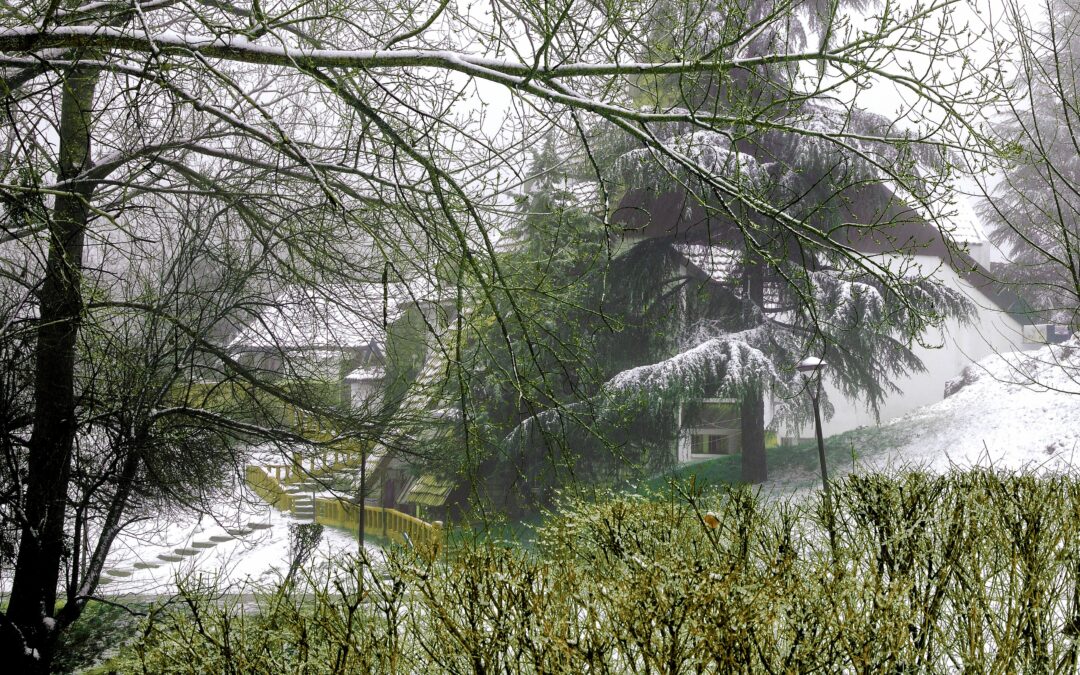
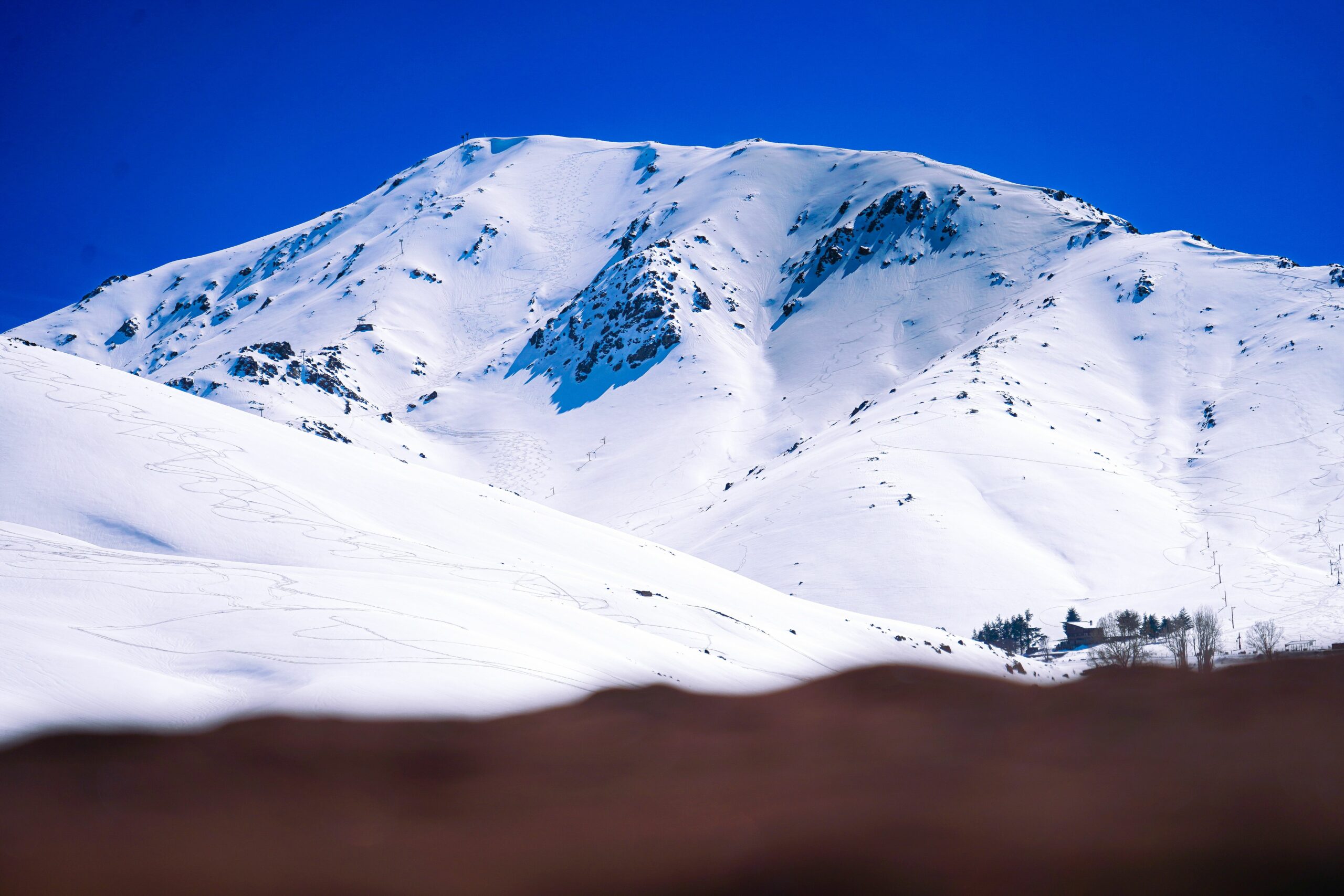
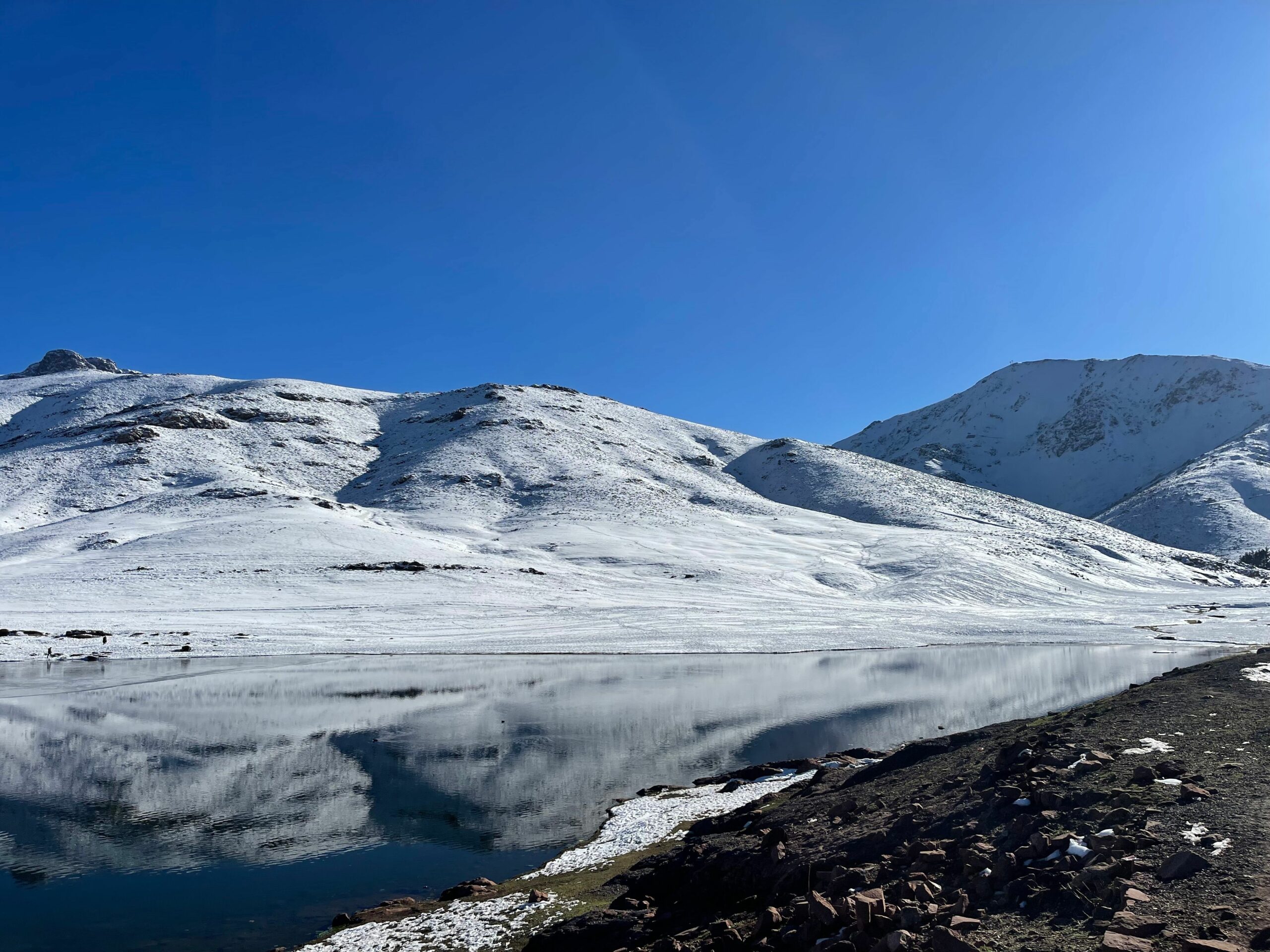
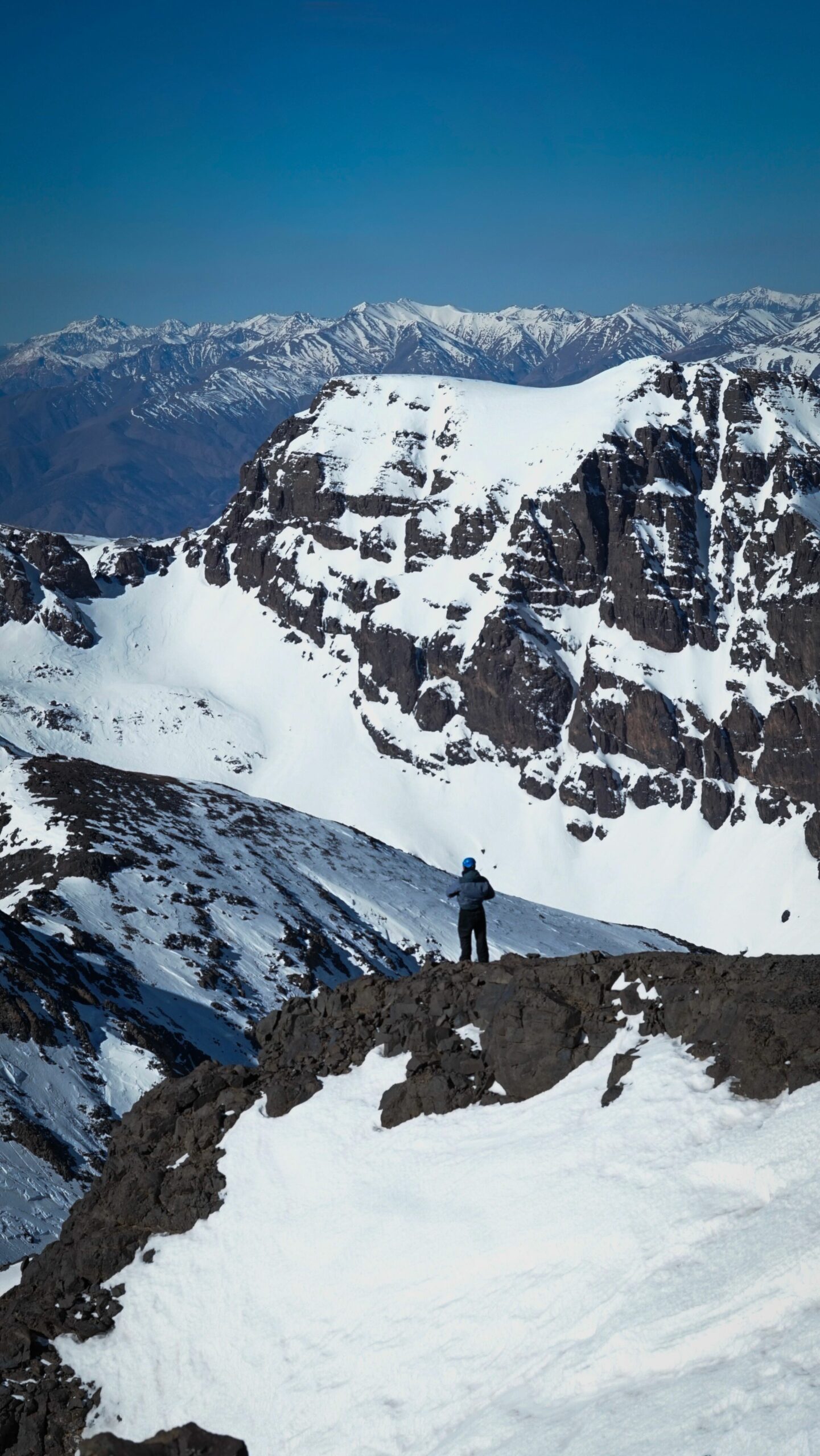
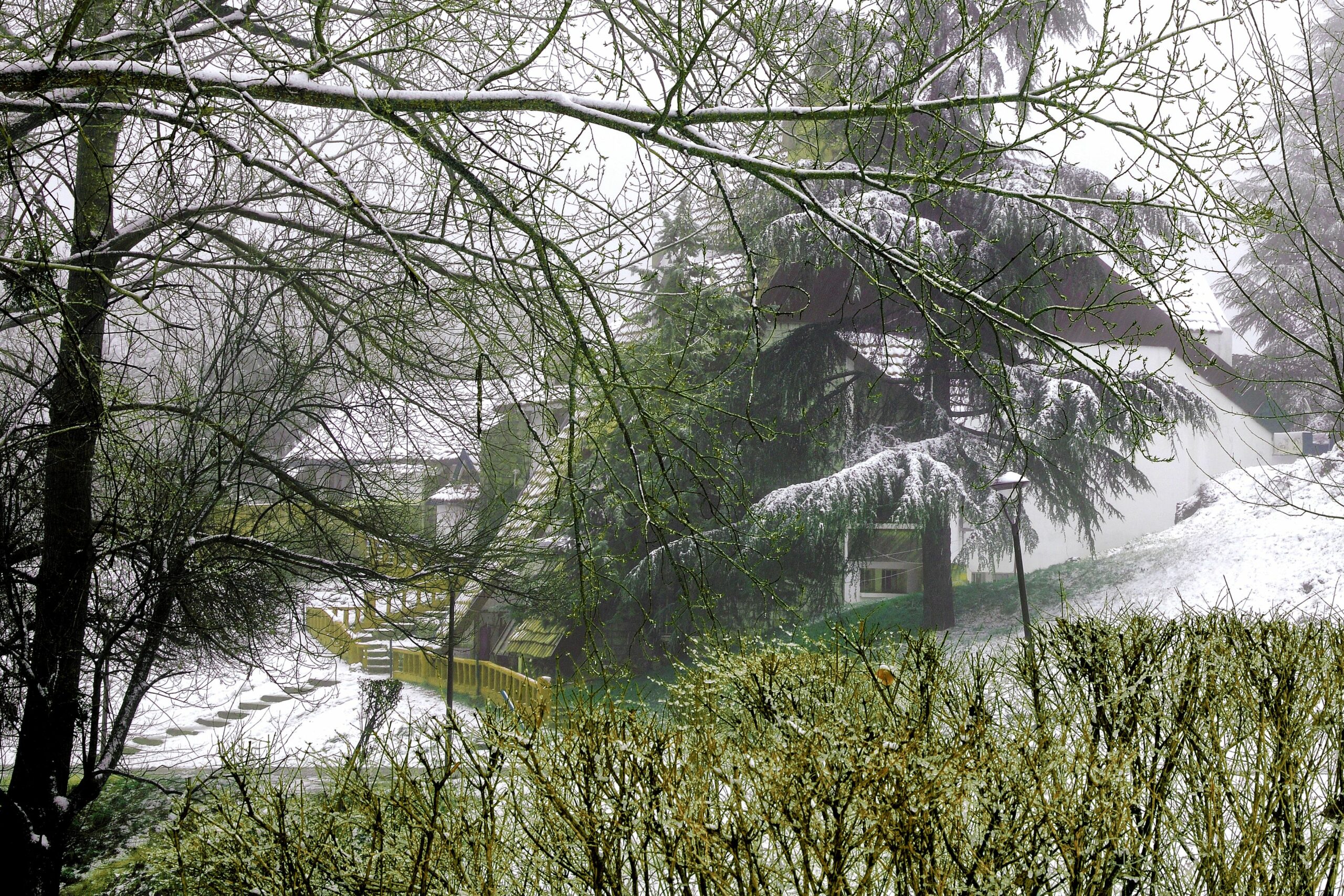
The High Atlas Mountains are colder still, and snow can occur at higher elevations. This is part of what makes winter travel through Morocco so visually impressive: one journey can take you from relatively mild Marrakech to snowy mountain landscapes and then into the dry desert.

Christmas in Morocco
Sahara Desert in December

Morocco Christmas Weather at a Glance

  • Marrakech: Mild and pleasant during the day, chilly after sunset.
  • Agadir: One of the milder destinations in winter, with a coastal climate.
  • Fes: Cooler than Marrakech, particularly in the morning and evening.
  • Chefchaouen: Cool winter conditions, especially at night.
  • Atlas Mountains: Cold at altitude, with possible snow.
  • Merzouga and the Sahara: Comfortable daytime conditions but very cold desert nights.
  • Essaouira: Mild but often breezy because of its Atlantic location.

The exact weather varies from year to year, so travelers should check the forecast shortly before departure rather than relying only on seasonal averages.

Where to Spend Christmas in Morocco

There is no single best place for Christmas in Morocco. The right destination depends on whether you want city culture, warm weather, mountains, beaches or the Sahara.

Marrakech

Marrakech is one of the easiest places to spend Christmas in Morocco. The city combines historic architecture, colorful souks, restaurants, riads, gardens and a large international tourism infrastructure.

During the day, you can explore Medina, walk through the souks, visit historic monuments and enjoy lunch or mint tea on a rooftop terrace. In the evening, you can have dinner in a traditional riad or choose a hotel or restaurant offering a Christmas menu.

The official Moroccan tourism office highlights Marrakech’s Medina, Jemaa el-Fna, souks, riads and gardens as some of the city’s defining experiences.

Marrakech is also a practical starting point for a Christmas desert trip. If you want to combine city sightseeing with the Sahara, you can begin your journey here and cross the Atlas Mountains toward southern Morocco.

For example, Prime Morocco Tours offers a 3 Days Sahara Desert Tour from Marrakech to Merzouga, including the High Atlas Mountains, Ait Ben Haddou, Dades Valley, Todra Valley and a camel ride into the Sahara.

Merzouga and the Sahara Desert

Sahara Desert in December

If you want your Christmas trip to feel genuinely different, consider spending part of the holiday in Merzouga.

The Sahara is not decorated for Christmas in the traditional sense, but the natural scenery provides its own atmosphere. Golden dunes, enormous skies, desert silence, a campfire and traditional Amazigh music can create a memorable Christmas experience without the usual commercial setting.

The official Moroccan tourism office specifically promotes Merzouga as a destination for camel rides, desert camping and sunrise over the dunes.

December is particularly attractive for desert activities because you avoid the extreme heat associated with Morocco’s hottest months. The main thing to remember is the nighttime temperature. Pack warm clothing even if your daytime desert experience feels pleasantly mild.

For travelers who want more time in the desert, Prime Morocco Tours also offers a 4 Days Desert Tour from Marrakech to Merzouga, with stops including Ait Ben Haddou and Todra Gorges, as well as camel trekking and an overnight desert experience.

Fes

12-days-tour-from-Fes

Fes is another excellent choice for travelers interested in history and culture rather than a conventional Christmas atmosphere.

The city is home to one of Morocco’s most famous medinas, traditional crafts, historic architecture and a rich culinary culture. December can be cool, especially at night, so warm clothing is important.

Fes also works particularly well as part of a desert itinerary. You can travel south through Ifrane, the Middle Atlas, Midelt and the Ziz Valley before reaching Merzouga.

Prime Morocco Tours’ 3 Days Desert Trip from Fes to Marrakech combines Fes with the Sahara, Ifrane, Azrou, Midelt, Merzouga, Dades, Todra Gorges, Ait Ben Haddou and

Agadir

10 Days Tour from Agadir

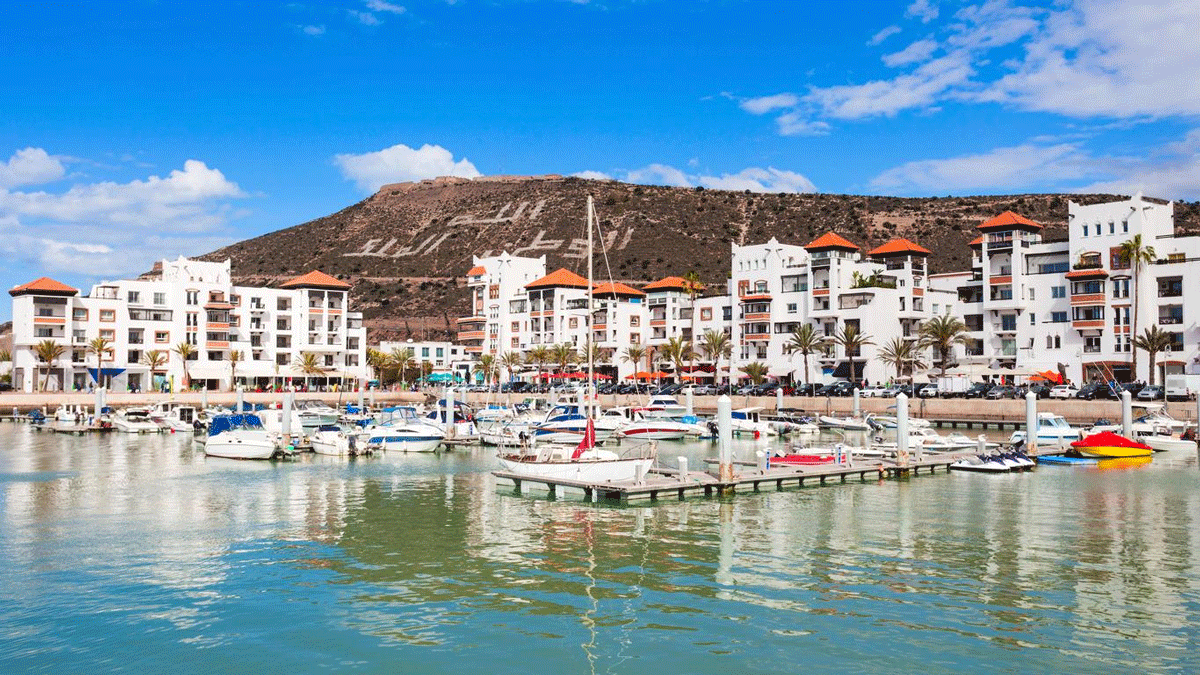
If your priority is relatively mild winter weather, Agadir deserves consideration. The city is located on Morocco’s Atlantic coast and is known for its mild climate and long hours of sunshine. The Moroccan National Tourist Office describes Agadir as one of the country’s major seaside destinations, with mild temperatures and a sunny coastal climate.

Christmas in Agadir can work particularly well for travelers who want a slower holiday with restaurants, resorts, beaches and coastal walks rather than a packed sightseeing itinerary.

Keep in mind that December is not necessarily beach weather in the European summer sense. The Atlantic can be cool, and conditions can be breezy. The attraction is the mild winter atmosphere rather than guaranteed hot-weather swimming.

Chefchaouen

10 Or 11 Days desert tour from Casablanca

For a quieter and more atmospheric Christmas trip, consider Chefchaouen.

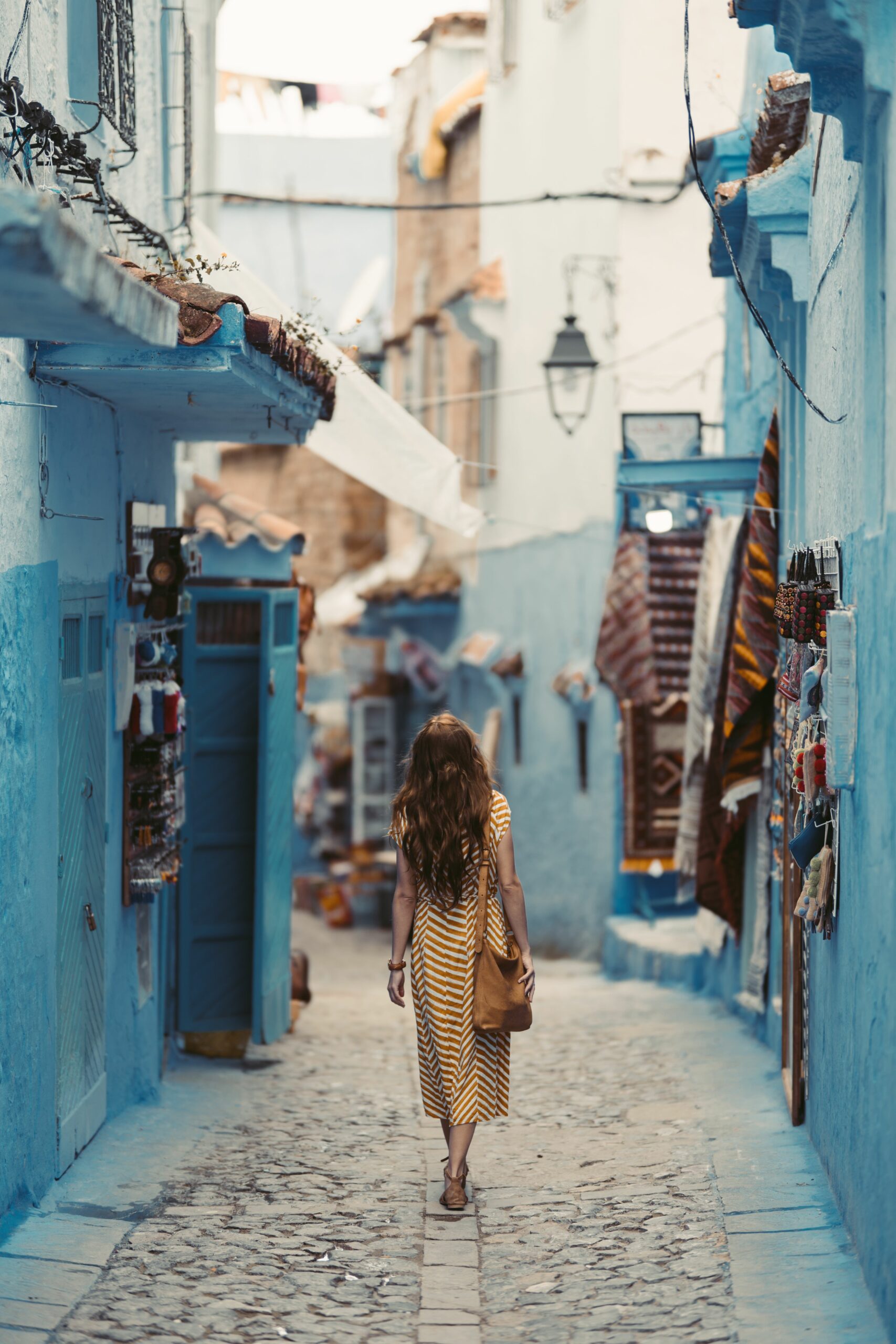
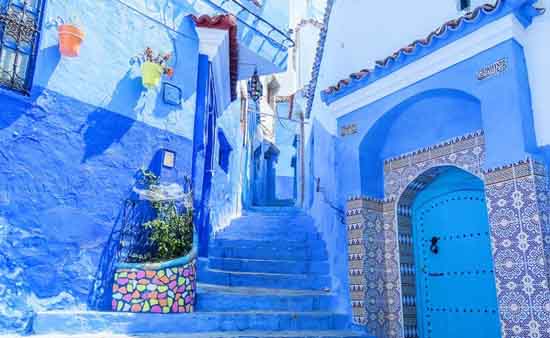
The famous blue-painted streets look particularly beautiful in winter light, and the surrounding Rif Mountains provide a completely different landscape from Marrakech and the Sahara. December is cooler here, so pack accordingly.

Chefchaouen is best suited to travelers who want a few slow days of walking, photography, local food and mountain scenery rather than a traditional Christmas resort experience.

Best Things to Do During Christmas in Morocco

Christmas is an excellent excuse to build a Morocco itinerary around experiences rather than Christmas-specific attractions.

Explore the Marrakech Medina

Start your trip by wandering through Marrakech’s historic Medina. Explore the souks, discover traditional crafts, stop for Moroccan tea and spend time around Jemaa el-Fna.

The advantage of visiting during the winter is that sightseeing can be more comfortable than during Morocco’s hotter months. You can spend hours walking without dealing with intense summer heat.

Spend Christmas in a Desert Camp

A night in the Sahara can become the highlight of your Christmas trip.

Travel toward Merzouga, ride a camel across the dunes around sunset and arrive at your desert camp in the evening. Depending on the camp, dinner may be followed by traditional music around a fire before you retire to your tent.

The following morning, wake up early for sunrise over the dunes. The official Moroccan tourism office specifically highlights camel trekking, comfortable desert camping and sunrise at Merzouga as key Sahara experiences.

It is a very different way to spend Christmas, but that is precisely the point.

Visit Ait Ben Haddou

Ait Ben Haddou is one of Morocco’s most recognizable historic ksour and a natural stop on many routes between Marrakech and the Sahara.

Its earthen architecture, narrow passages and surrounding landscape make it particularly photogenic during the softer winter light. It is also included on Prime Morocco Tours’ Marrakech-to-Merzouga desert itineraries.

Cross the High Atlas Mountains

The journey from Marrakech toward the desert crosses the High Atlas Mountains, creating one of the most dramatic changes of scenery in Morocco.

In winter, the mountains can be particularly impressive when higher elevations receive snow. However, road conditions can change after severe weather, so travelers crossing mountain passes should check conditions and allow flexibility in their itinerary.

Explore the Souks and Shop for Moroccan Gifts

If you want to bring something home for Christmas, Morocco offers plenty of alternatives to conventional Christmas shopping.

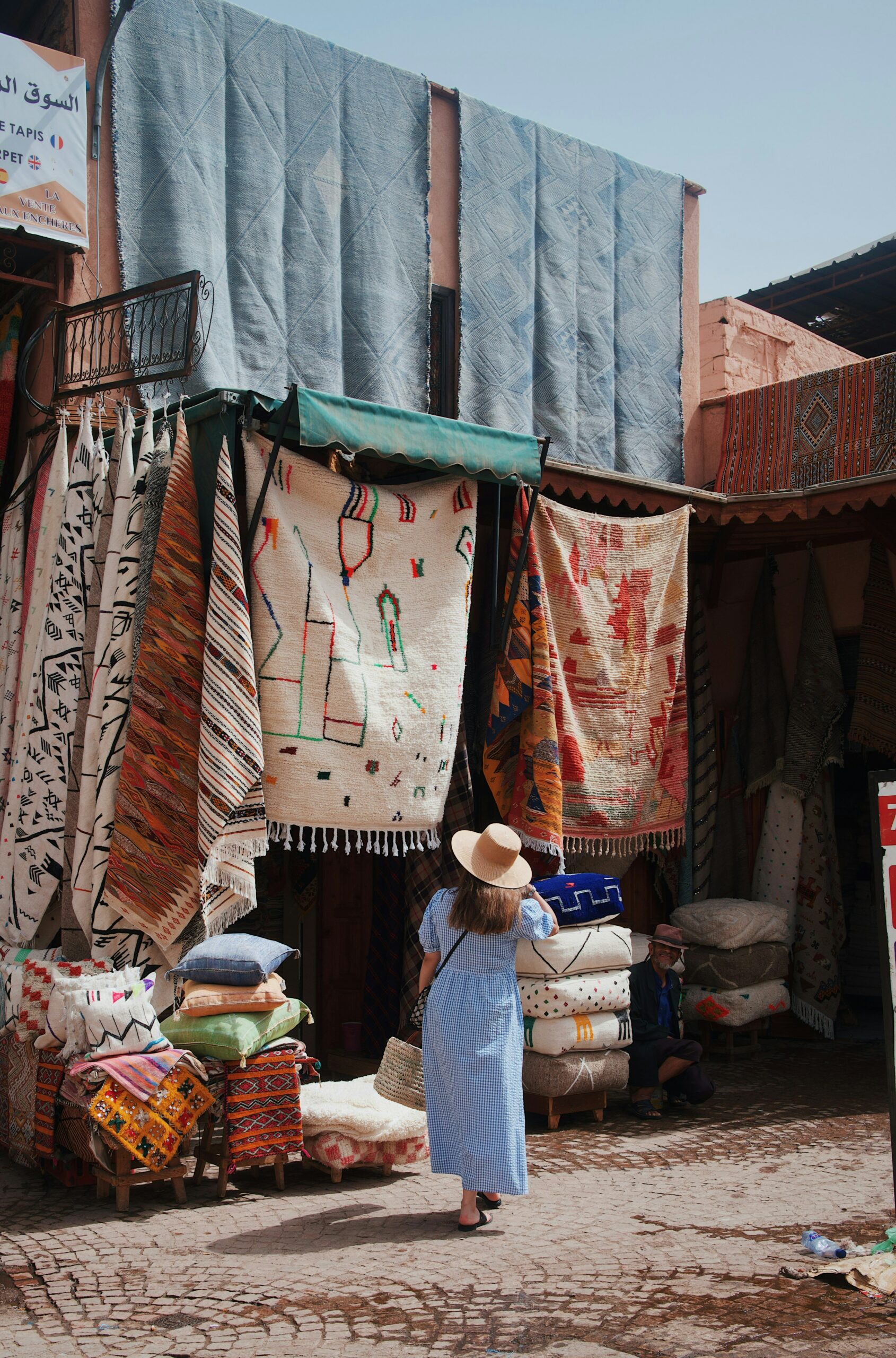
Look for handmade ceramics, leather goods, woven textiles, lanterns, spices, jewelry, carpets and traditional Moroccan crafts. The souks of Marrakech and Fes are especially interesting for travelers who enjoy browsing and discovering locally made products.

Remember that bargaining is part of the shopping experience in many Moroccan souks, but it should remain friendly and respectful.

Enjoy a Moroccan Christmas Dinner

You do not have to choose between Moroccan food and Christmas.

Some hotels, restaurants and riads catering to international travelers may offer Christmas Eve or Christmas Day menus. These vary considerably from one establishment to another, so check directly with the property if having a specific Christmas dinner is important to you.

You can also simply enjoy Moroccan cuisine during your trip. Tagine, couscous, pastilla, harira, grilled meats, salads, fresh bread and Moroccan pastries offer a completely different culinary experience from the traditional Christmas meals many travelers are used to.

Is Morocco Open on Christmas Day?

For most travelers, one of the biggest advantages of Christmas in Morocco is that December 25 is not a national public holiday.

Morocco’s official 2026 public-holiday calendar does not list December 25 as a public holiday.

Therefore, Christmas Day does not normally bring the widespread closures that travelers might experience in countries where Christmas is a major national holiday. However, opening hours are always specific to individual businesses, attractions and restaurants, so you should still verify important plans in advance.

Hotels and tourist businesses may actually be busier during the Christmas and New Year period because international travelers are visiting Morocco for their winter holidays.

How Many Days Do You Need for Christmas in Morocco?

A long weekend can work if you stay in Marrakech, but 7 to 10 days gives you much more flexibility.

For a shorter trip, spend three or four nights in Marrakech and add a desert excursion. For a week, you can combine Marrakech, Ait Ben Haddou, the Dades Valley and Merzouga before returning to Marrakech or continuing toward Fes.

For a longer Christmas holiday, consider connecting Marrakech, the Sahara and Fes. Prime Morocco Tours’ 8-Day Morocco Desert Tour from Marrakech to Fes is an example of a route combining Marrakech, the High Atlas, Ait Ben Haddou, the Sahara and Fes.

Another option is to travel from Fes through the Middle Atlas and Sahara before arriving in Marrakech. The 5 Days Tour from Fes to Marrakech is designed around this type of journey.

Is Christmas in Morocco Worth It?

Yes, if you are looking for a Christmas holiday that feels different.

Morocco combines mild winter days, diverse landscapes, historic cities, excellent food and easy access to the Sahara. The country does not transform itself into a giant Christmas destination, and that is actually part of its appeal.

You can spend a morning walking through the souks of Marrakech, cross the Atlas Mountains in the afternoon, explore an ancient kasbah the next day and finish the journey sitting beside a campfire in the Sahara beneath a clear winter sky.

For travelers who want culture, adventure and a break from the conventional Christmas routine, Christmas in Morocco offers an experience that is memorable precisely because it is not the same as Christmas at home.

If you are ready to turn your Christmas holiday into a Moroccan adventure, explore Prime Morocco Tours and choose a private Morocco itinerary that fits your travel dates, starting city and interests. Whether you want Marrakech, the Atlas Mountains, the Sahara Desert or a complete Morocco journey, a customized tour can make it easier to experience the country comfortably during the winter season.

Is Christmas celebrated in Morocco?

Christmas is not a traditional national holiday in Morocco, and December 25 is not a public holiday. However, some international hotels, restaurants, riads and Christian communities may organize Christmas-related events or services.

Is Morocco warm at Christmas?

Morocco is generally mild during the daytime in destinations such as Marrakech and Agadir, but temperatures vary significantly by region. Evenings can be cold, while the Atlas Mountains and Sahara nights can be much colder.

Can I spend Christmas in the Sahara Desert?

Yes. A Sahara desert tour is one of the most distinctive ways to spend Christmas in Morocco. You can ride a camel, watch sunset over the dunes, enjoy dinner at a desert camp and watch the sunrise the following morning.

Are shops and restaurants open on Christmas Day in Morocco?

Because December 25 is not a national public holiday, many businesses and tourist services operate normally. However, individual opening hours vary, so check directly with the business or attraction you plan to visit.

Is Christmas a good time to visit Morocco?

Christmas can be an excellent time to visit if you want mild winter weather, cultural experiences and a Sahara adventure. The main consideration is that late December can be busier than the beginning of the month, so booking accommodation and tours ahead of time is recommended.

Morocco Winter Travel: Complete Guide for Your Trip

Morocco Winter Travel: Complete Guide for Your Trip

Morocco Winter Travel: Complete Guide for Your Trip

Winter is one of the best times to discover Morocco if you want comfortable sightseeing, fewer extreme temperatures, and the chance to experience several different landscapes in one trip. From the sunny streets of Marrakech to the snowy Atlas Mountains and the golden dunes of the Sahara, Morocco offers surprisingly different winter experiences depending on where you go.

The key to planning a successful Morocco winter travel itinerary is understanding the country’s regional climate. Morocco does not have one uniform winter. Coastal cities such as Agadir and Essaouira are generally milder, Marrakech offers pleasant daytime temperatures with cool evenings, while the mountains can be cold and snowy. In the Sahara, winter days can be comfortable for exploring, but temperatures drop significantly after sunset.

Whether you are planning a city break, a desert adventure, a road trip, or a longer Morocco vacation, this guide explains what to expect in winter, where to go, what to pack, and how to make the most of your trip.

Is Morocco a Good Destination in Winter?

Morocco Winter Travel

Yes, Morocco is an excellent winter destination, particularly for travelers who want to escape colder European climates without dealing with the intense summer heat found in parts of North Africa. Winter is a comfortable season for walking through historic medinas, visiting cultural attractions, exploring the desert, and traveling between cities.

Marrakech is particularly popular during winter because daytime temperatures are generally comfortable for sightseeing. You can explore the souks, palaces, gardens, and historic streets without the extreme heat that can make summer afternoons difficult. Southern Morocco and the desert can also be enjoyable during the day, although you should prepare carefully for cold evenings.

Winter is also an interesting season for seeing Morocco’s contrasts. You might visit a snow-covered mountain area in the morning and reach a much warmer desert landscape a day later. This variety is one of the main reasons Morocco works so well as a winter travel destination.

Morocco Winter Weather: What to Expect

Morocco Winter Travel

Morocco’s winter generally covers December, January, and February, but weather conditions vary considerably between regions. Coastal destinations benefit from the moderating influence of the Atlantic Ocean and Mediterranean, while inland areas experience greater differences between daytime and nighttime temperatures.

Marrakech usually has mild and sunny winter days, but mornings and evenings can feel cold, especially in January. Fes and Chefchaouen are cooler and can experience rain, while higher areas of the Atlas and Middle Atlas Mountains can receive snow.

The Sahara has its own winter climate. Daytime temperatures can be pleasant for camel rides and desert excursions, but temperatures can fall sharply after sunset. This means travelers should never pack only lightweight clothes for a winter desert trip.

If you are planning a multi-destination itinerary, check the weather for each region rather than relying on one general Morocco forecast.

Morocco in December

Morocco Winter Travel

December is a good month for travelers who want to experience Morocco during the beginning of winter. Marrakech and southern Morocco can still offer pleasant daytime conditions, making it possible to spend long days exploring outdoor attractions and historic neighborhoods.

December is also a popular month for Sahara trips. The cooler daytime temperatures are much more comfortable for exploring the dunes than during the hottest months of the year. However, desert nights can be very cold, particularly when staying in a camp, so warm layers are essential.

The Christmas and New Year period can be busier than the rest of the month, especially in popular destinations such as Marrakech. If you are traveling around the holidays, booking accommodation and tours in advance is a good idea.

Morocco in January

January is generally one of the coldest months of the year, but that does not make Morocco unsuitable for travel. In fact, January can be an excellent time to visit if you enjoy cooler weather and want to experience Morocco’s winter landscapes.

Marrakech remains a popular destination, while the Atlas and Middle Atlas Mountains can offer snow and dramatic winter scenery. Ifrane, located in the Middle Atlas, is particularly well known for its cold climate and snowfall.

January is also a good month for a desert journey, provided you prepare for cold nights. A warm jacket, sweater, thermal layers, and thick socks can make a significant difference if you are staying overnight in the Sahara.

Morocco in February

February marks the final part of winter and can be an excellent month for combining different regions of Morocco. Southern destinations can begin feeling more spring-like, while the mountains remain cold.

February is particularly interesting for travelers who want to combine Marrakech or the Sahara with Morocco’s Atlantic coast. The area around Taghazout is popular with surfers during the winter months because of the Atlantic swells.

For a first trip, February can be a good compromise between winter temperatures and the beginning of the warmer travel season.

Best Places to Visit in Morocco in Winter

Marrakech

Morocco Winter Travel

Marrakech is one of the easiest destinations to visit during winter. The city’s historic medina, colorful souks, palaces, gardens, and restaurants provide plenty to do even when temperatures are cooler.

Winter is particularly comfortable for walking through the old city and visiting attractions such as Bahia Palace, El Badi Palace, Koutoubia Mosque, and the Majorelle Garden. Evenings can be chilly, so take a warm layer with you when exploring after sunset.

Marrakech is also an excellent starting point for a longer Morocco itinerary. From the city, you can travel toward the Atlas Mountains, Ait Ben Haddou, Ouarzazate, the Dades Valley, and the Sahara. Travelers who want to combine these landscapes can consider a 5-day desert tour from Marrakech to Fes, which connects Marrakech with the Atlas Mountains, southern Morocco, Merzouga, and Fes.

Merzouga and the Sahara Desert

Morocco Winter Travel

The Sahara is one of the highlights of many Morocco trips, and winter can actually be an excellent season to experience it. The daytime temperatures are much more comfortable than during the hottest part of the year, making activities such as camel trekking and dune exploration easier.

Merzouga and the Erg Chebbi dunes are particularly popular for overnight desert experiences. A typical trip may include a camel ride around sunset, dinner at a desert camp, traditional music, and sunrise over the dunes the following morning.

The main thing to remember is that the Sahara is not warm at night during winter. Temperatures can drop dramatically after sunset, so bring proper winter clothing even if the afternoon feels pleasantly warm.

Fes

Morocco Winter Travel

Fes is an excellent choice for travelers interested in history, architecture, traditional crafts, and Moroccan culture. The city’s famous medina is best explored on foot, and winter temperatures can make long walks more comfortable than during the hottest months.

Fes can be cooler and wetter than Marrakech, so a warm jacket and waterproof layer are useful. If you are planning to travel from Fes to the Sahara, winter also gives you the opportunity to experience the dramatic transition from the Middle Atlas Mountains to the desert.

Travelers with more time can also consider a 9-day tour from Fes through Morocco’s classic destinations, combining historic cities, mountains, desert landscapes, and southern Morocco.

Chefchaouen

Morocco Winter Travel

Chefchaouen is one of Morocco’s most photographed destinations, famous for its blue-painted streets and mountain setting. Winter gives the town a quieter atmosphere, but temperatures are colder than in Marrakech and rain is possible.

If you visit during winter, pack a waterproof jacket and comfortable shoes. The surrounding Rif Mountains also offer beautiful scenery, although outdoor activities should be planned according to weather conditions.

Ifrane and the Middle Atlas

Morocco Winter Travel

For travelers looking for snow in Morocco, Ifrane and the Middle Atlas Mountains are worth considering. Ifrane has a much colder climate than Marrakech because of its elevation, and winter snowfall can transform the town and surrounding landscapes.

The region is particularly interesting when included in a route between Fes and the Sahara. You can experience forests, mountains, valleys, and eventually the dry landscapes of southeastern Morocco within the same journey.

Agadir and Taghazout

Morocco Winter Travel

If your idea of winter travel means sunshine and the coast, Agadir is one of the best choices in Morocco. Its Atlantic location gives it a relatively mild climate compared with many inland and mountain destinations.

Nearby Taghazout is especially popular with surfers during winter. The combination of beaches, surf, seafood, and a relaxed coastal atmosphere makes the area a good alternative to a traditional city-and-desert itinerary.

Travelers who want to combine Agadir with the Sahara can consider a 5-day Sahara desert tour from Agadir to Merzouga, creating a route that combines the Atlantic coast with southern Morocco and the desert.

Is the Sahara Cold in Winter?

Yes. This is one of the most important things to understand before planning a Morocco winter travel itinerary.

The Sahara can be pleasantly warm during the day when the sun is shining, but temperatures fall quickly after sunset. December and January can be particularly cold at night, and desert camps can feel very chilly if you are not properly prepared.

Pack a warm jacket, sweater or fleece, thermal layers, thick socks, and comfortable closed shoes. If you are sensitive to cold, gloves and a warm hat are also useful.

Do not assume that a desert trip means packing only summer clothes. Winter desert travel requires a combination of lightweight daytime clothing and warm layers for the evening.

What to Pack for Morocco in Winter

The best approach is to pack clothing that can be layered. Temperatures can change considerably between morning, afternoon, and evening, and the difference is even greater when moving between cities, mountains, and desert regions.

For a typical winter trip, bring long-sleeve shirts, T-shirts, a sweater or fleece, a warm jacket, comfortable trousers, walking shoes, and a waterproof layer. A scarf is also useful, particularly in cooler evenings and desert areas.

If your itinerary includes the Sahara, add thermal clothing, warm socks, gloves, and a hat. Comfortable footwear is important throughout Morocco because medinas often have uneven streets, steps, and cobblestones.

It is also useful to pack a small day bag so you can carry an extra layer when temperatures change during the day.

A 7-Day Morocco Winter Itinerary

If you have one week, it is better to focus on a manageable route rather than trying to visit the entire country.

Start with two days in Marrakech, giving yourself enough time to explore the medina, palaces, gardens, and local food scene. On the third day, travel across the Atlas Mountains toward Ait Ben Haddou and Ouarzazate before continuing to the Dades Valley.

On the fourth day, continue toward Merzouga through the Todra Gorge and southeastern landscapes. Spend the night in the Sahara after a camel ride and enjoy the desert at sunset.

On day five, explore the Merzouga area and enjoy sunrise over the dunes before continuing north. Depending on the itinerary, you can travel through Midelt and the Middle Atlas toward Fes.

Finish the trip with one or two days in Fes, exploring the historic medina and traditional neighborhoods. Travelers who want to extend this type of route can consider an 8-day Morocco desert tour from Marrakech to Fes for more time to experience the desert and the destinations along the way.

Is December a good time to visit Morocco?

Yes. December is a good time to visit Marrakech, explore Moroccan cities, and travel to the Sahara. Days can be mild in southern Morocco, while evenings and desert nights are much colder.

Is Morocco warm in January?

Some destinations, particularly Marrakech and Agadir, can have pleasant daytime temperatures in January. However, mornings and evenings are cold, and mountain areas can experience snow.

Can you visit the Sahara Desert in winter?

Yes. Winter is a popular season for visiting the Sahara because daytime temperatures are more comfortable. You should simply prepare for very cold nights.

Does it snow in Morocco?

Yes. Snow occurs in higher mountain areas, particularly parts of the Atlas and Middle Atlas. Ifrane is one of the country’s best-known winter destinations for snow.

What should I wear in Morocco in winter?

Wear layers. Bring long-sleeve clothing, a sweater, warm jacket, comfortable walking shoes, and a waterproof layer. For the Sahara, add thermal layers and warm socks.

Which month is best for Morocco winter travel?

December, January, and February can all be good, depending on your itinerary. February is often a good choice for combining southern Morocco, the desert, and the Atlantic coast.

Is Morocco Worth Visiting in Winter?

Absolutely. Winter offers one of the best opportunities to experience Morocco’s incredible geographical and cultural diversity without the extreme heat of summer.

You can explore Marrakech during comfortable daytime temperatures, visit historic Fes, see snow in the mountains, travel through dramatic valleys, and spend a night among the Sahara dunes. The key is simply to plan according to regional weather and pack for temperature changes.

If you are looking for a winter destination that combines culture, adventure, food, mountains, desert, and coastline, Morocco deserves a place on your list.

The best Morocco winter travel experience is not about finding one perfect destination. It is about combining the right places for the season and allowing enough time to enjoy each one.
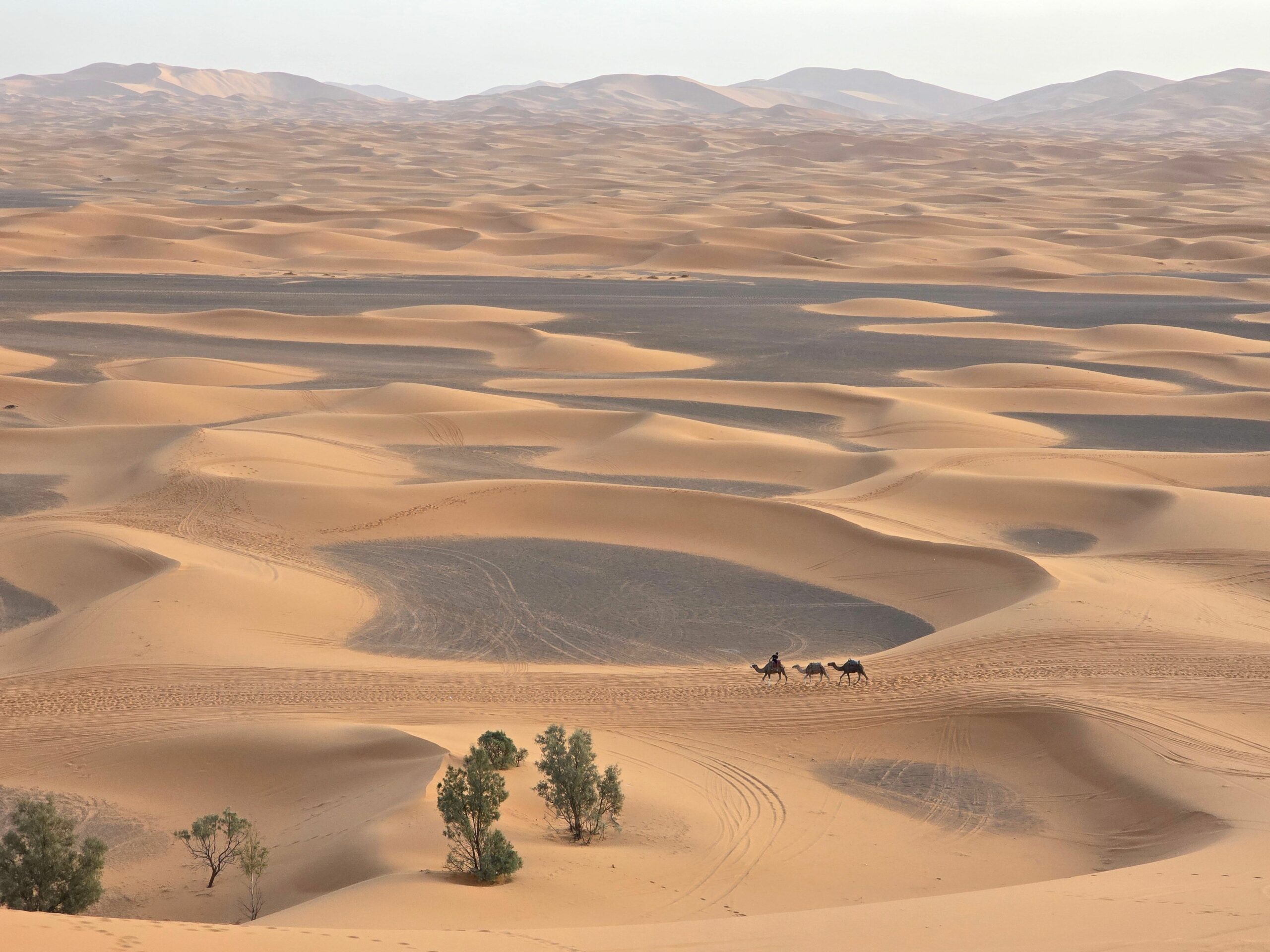
error: Content is protected !!