
Morocco Winter Travel: Complete Guide for Your Trip
Winter is one of the best times to discover Morocco if you want comfortable sightseeing, fewer extreme temperatures, and the chance to experience several different landscapes in one trip. From the sunny streets of Marrakech to the snowy Atlas Mountains and the golden dunes of the Sahara, Morocco offers surprisingly different winter experiences depending on where you go.
The key to planning a successful Morocco winter travel itinerary is understanding the country’s regional climate. Morocco does not have one uniform winter. Coastal cities such as Agadir and Essaouira are generally milder, Marrakech offers pleasant daytime temperatures with cool evenings, while the mountains can be cold and snowy. In the Sahara, winter days can be comfortable for exploring, but temperatures drop significantly after sunset.
Whether you are planning a city break, a desert adventure, a road trip, or a longer Morocco vacation, this guide explains what to expect in winter, where to go, what to pack, and how to make the most of your trip.
Is Morocco a Good Destination in Winter?
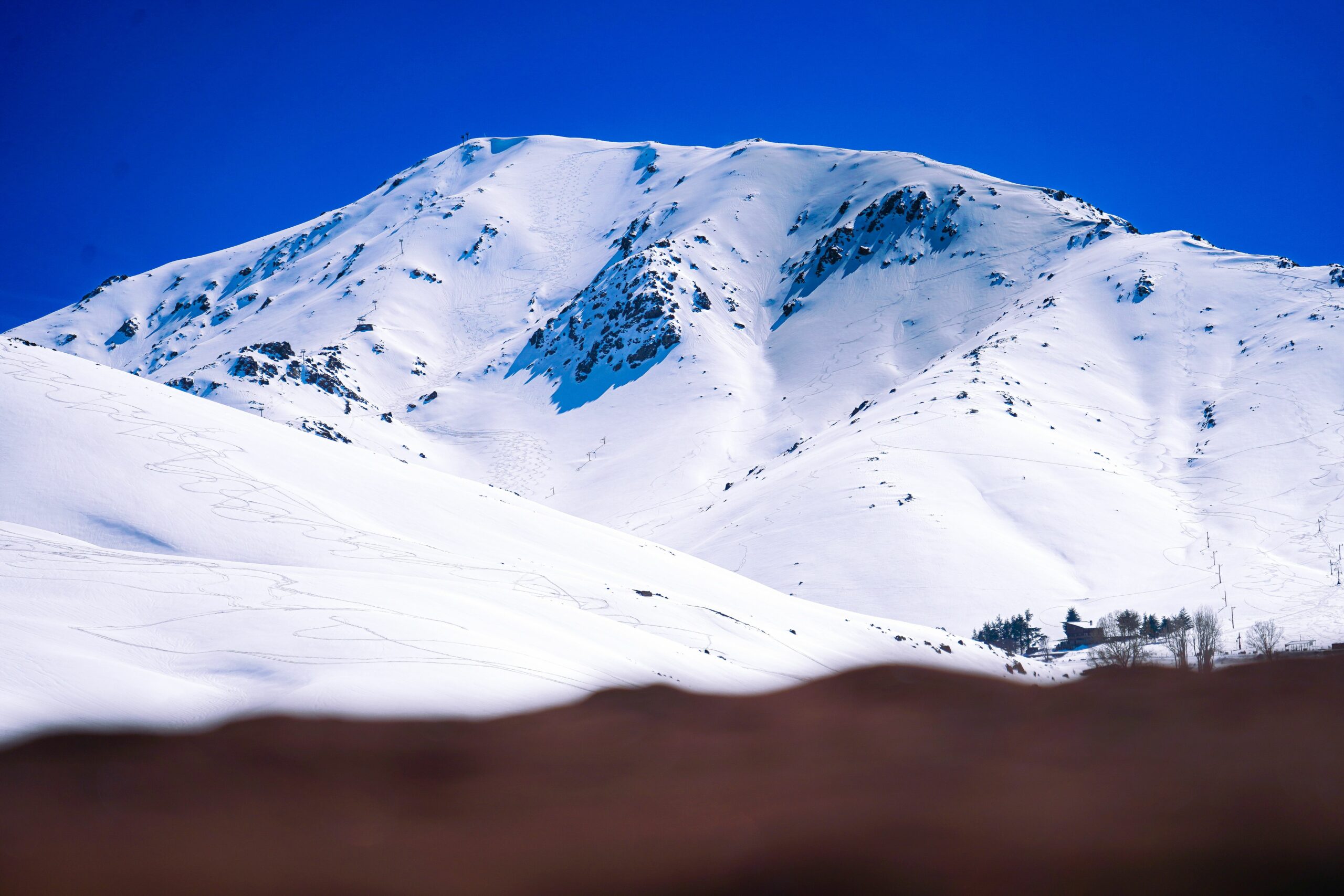
Yes, Morocco is an excellent winter destination, particularly for travelers who want to escape colder European climates without dealing with the intense summer heat found in parts of North Africa. Winter is a comfortable season for walking through historic medinas, visiting cultural attractions, exploring the desert, and traveling between cities.
Marrakech is particularly popular during winter because daytime temperatures are generally comfortable for sightseeing. You can explore the souks, palaces, gardens, and historic streets without the extreme heat that can make summer afternoons difficult. Southern Morocco and the desert can also be enjoyable during the day, although you should prepare carefully for cold evenings.
Winter is also an interesting season for seeing Morocco’s contrasts. You might visit a snow-covered mountain area in the morning and reach a much warmer desert landscape a day later. This variety is one of the main reasons Morocco works so well as a winter travel destination.
Morocco Winter Weather: What to Expect
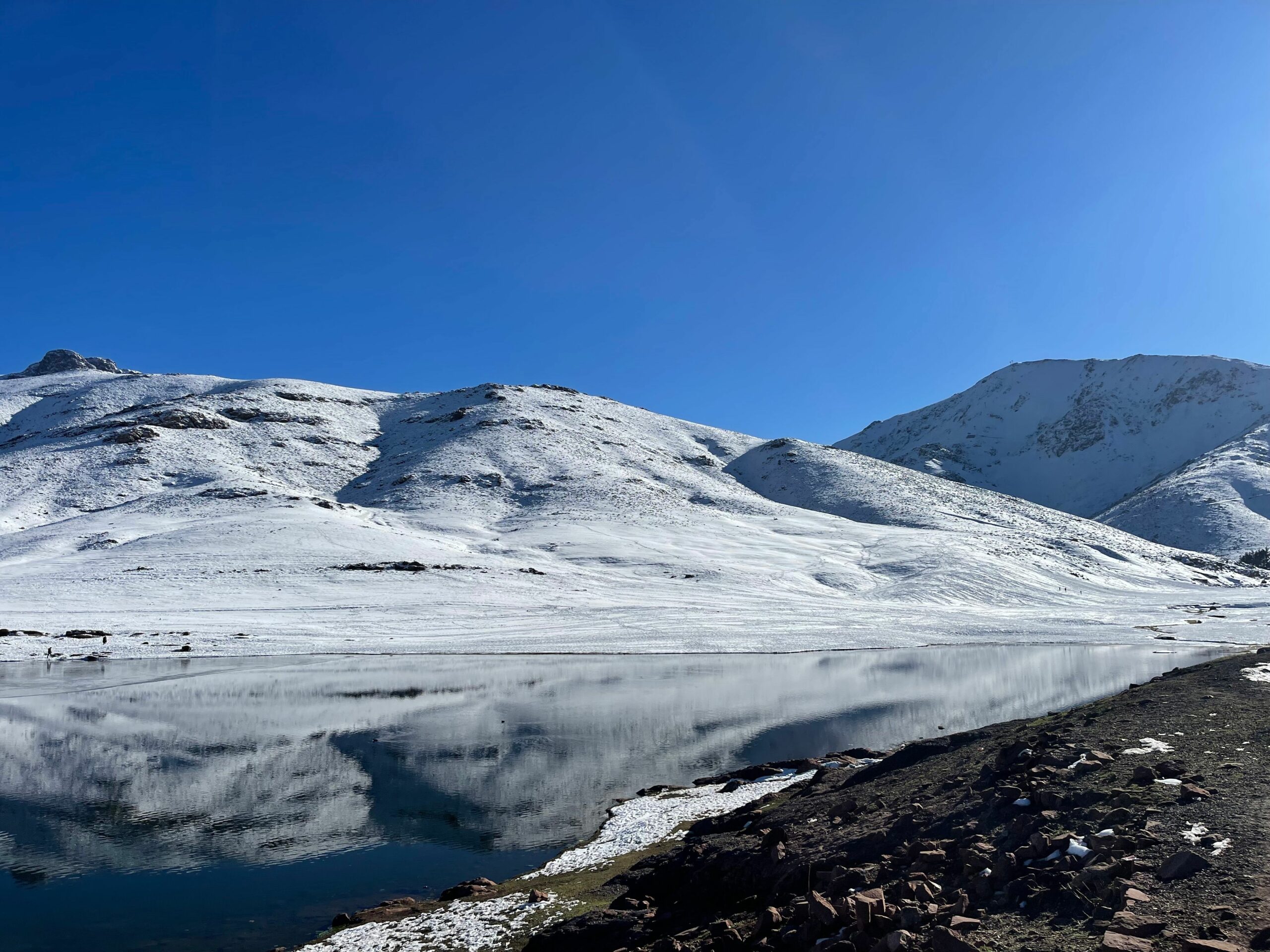
Morocco’s winter generally covers December, January, and February, but weather conditions vary considerably between regions. Coastal destinations benefit from the moderating influence of the Atlantic Ocean and Mediterranean, while inland areas experience greater differences between daytime and nighttime temperatures.
Marrakech usually has mild and sunny winter days, but mornings and evenings can feel cold, especially in January. Fes and Chefchaouen are cooler and can experience rain, while higher areas of the Atlas and Middle Atlas Mountains can receive snow.
The Sahara has its own winter climate. Daytime temperatures can be pleasant for camel rides and desert excursions, but temperatures can fall sharply after sunset. This means travelers should never pack only lightweight clothes for a winter desert trip.
If you are planning a multi-destination itinerary, check the weather for each region rather than relying on one general Morocco forecast.
Morocco in December
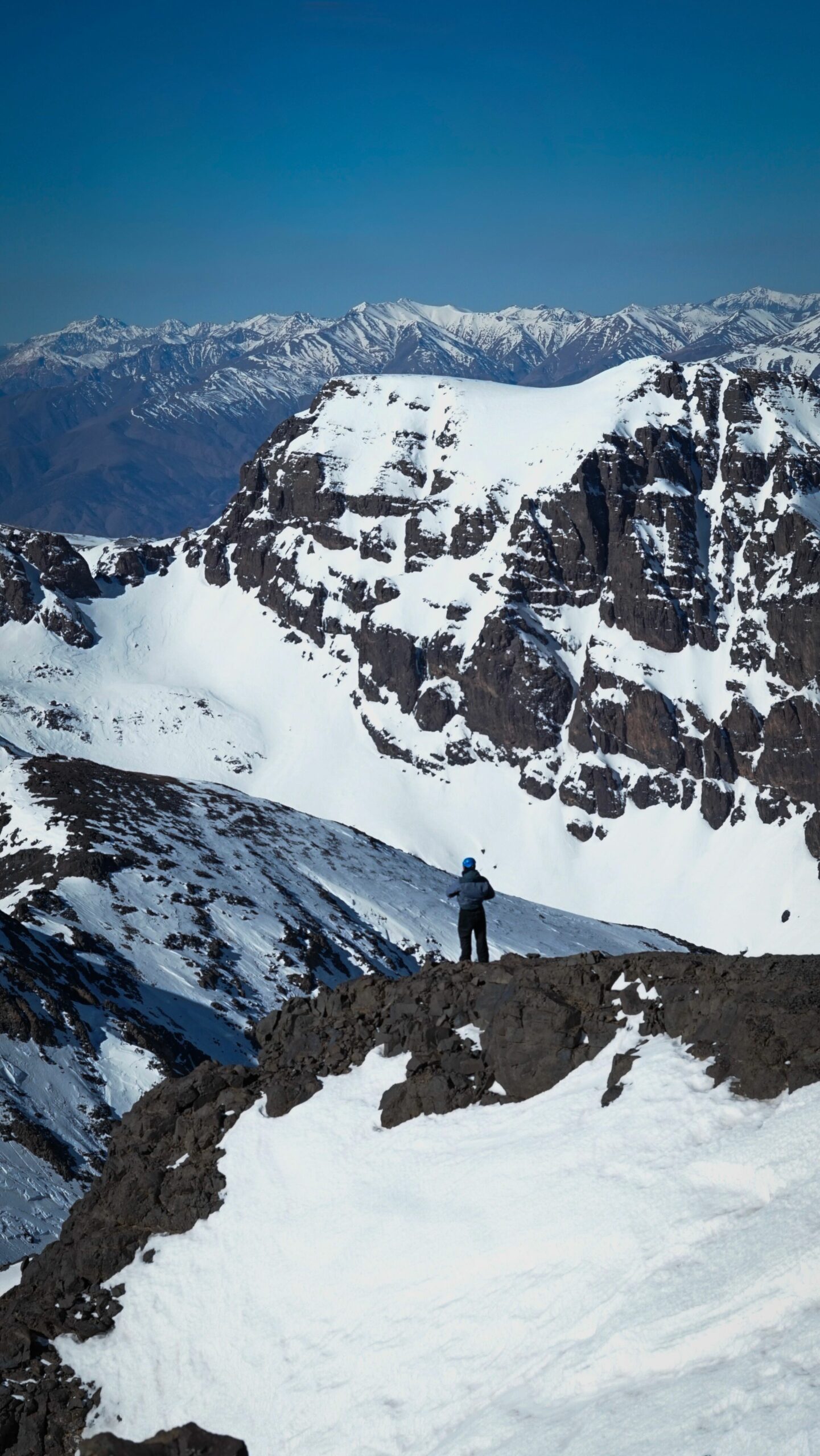
December is a good month for travelers who want to experience Morocco during the beginning of winter. Marrakech and southern Morocco can still offer pleasant daytime conditions, making it possible to spend long days exploring outdoor attractions and historic neighborhoods.
December is also a popular month for Sahara trips. The cooler daytime temperatures are much more comfortable for exploring the dunes than during the hottest months of the year. However, desert nights can be very cold, particularly when staying in a camp, so warm layers are essential.
The Christmas and New Year period can be busier than the rest of the month, especially in popular destinations such as Marrakech. If you are traveling around the holidays, booking accommodation and tours in advance is a good idea.
Morocco in January
January is generally one of the coldest months of the year, but that does not make Morocco unsuitable for travel. In fact, January can be an excellent time to visit if you enjoy cooler weather and want to experience Morocco’s winter landscapes.
Marrakech remains a popular destination, while the Atlas and Middle Atlas Mountains can offer snow and dramatic winter scenery. Ifrane, located in the Middle Atlas, is particularly well known for its cold climate and snowfall.
January is also a good month for a desert journey, provided you prepare for cold nights. A warm jacket, sweater, thermal layers, and thick socks can make a significant difference if you are staying overnight in the Sahara.
Morocco in February
February marks the final part of winter and can be an excellent month for combining different regions of Morocco. Southern destinations can begin feeling more spring-like, while the mountains remain cold.
February is particularly interesting for travelers who want to combine Marrakech or the Sahara with Morocco’s Atlantic coast. The area around Taghazout is popular with surfers during the winter months because of the Atlantic swells.
For a first trip, February can be a good compromise between winter temperatures and the beginning of the warmer travel season.
Best Places to Visit in Morocco in Winter
Marrakech
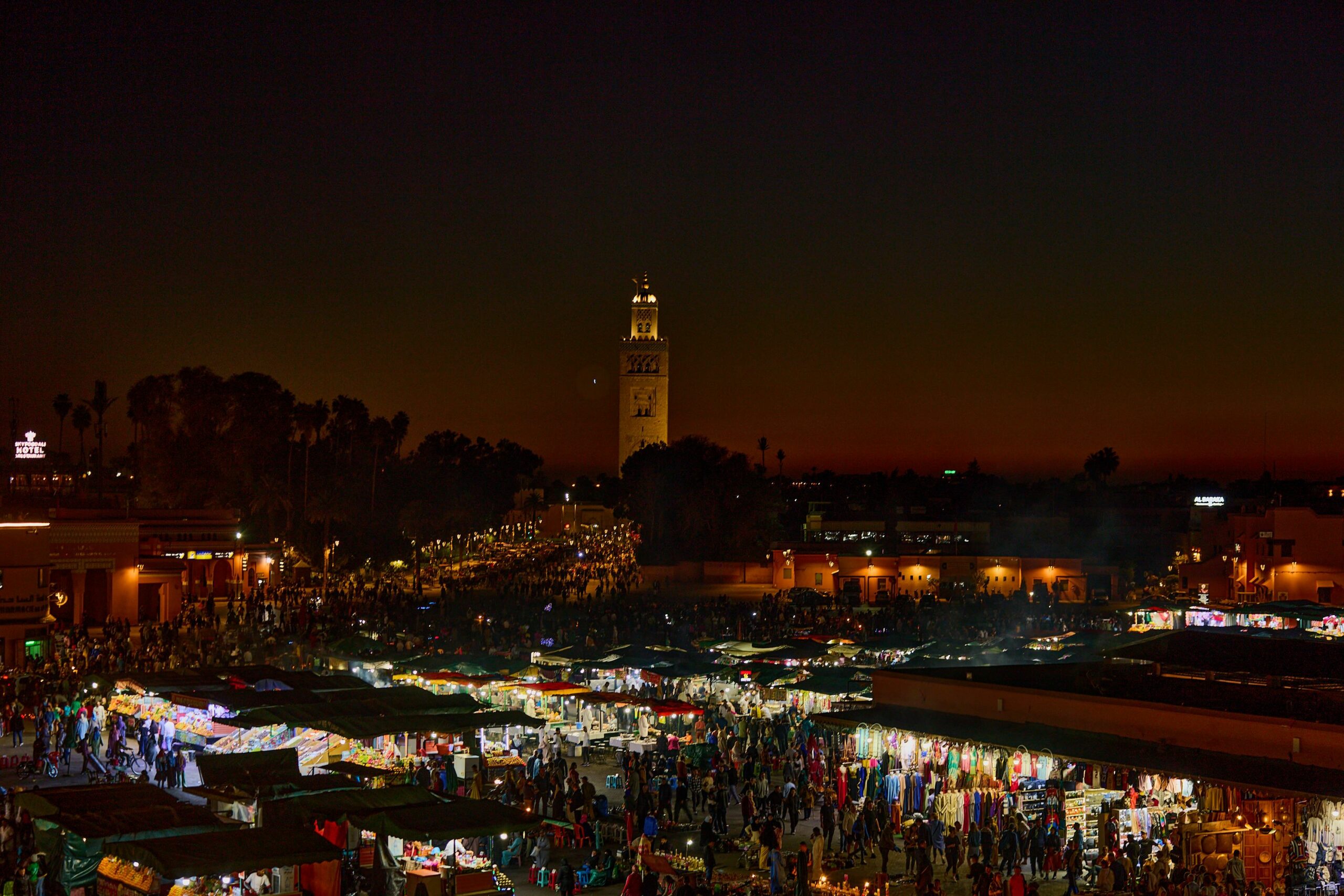
Marrakech is one of the easiest destinations to visit during winter. The city’s historic medina, colorful souks, palaces, gardens, and restaurants provide plenty to do even when temperatures are cooler.
Winter is particularly comfortable for walking through the old city and visiting attractions such as Bahia Palace, El Badi Palace, Koutoubia Mosque, and the Majorelle Garden. Evenings can be chilly, so take a warm layer with you when exploring after sunset.
Marrakech is also an excellent starting point for a longer Morocco itinerary. From the city, you can travel toward the Atlas Mountains, Ait Ben Haddou, Ouarzazate, the Dades Valley, and the Sahara. Travelers who want to combine these landscapes can consider a 5-day desert tour from Marrakech to Fes, which connects Marrakech with the Atlas Mountains, southern Morocco, Merzouga, and Fes.
Merzouga and the Sahara Desert
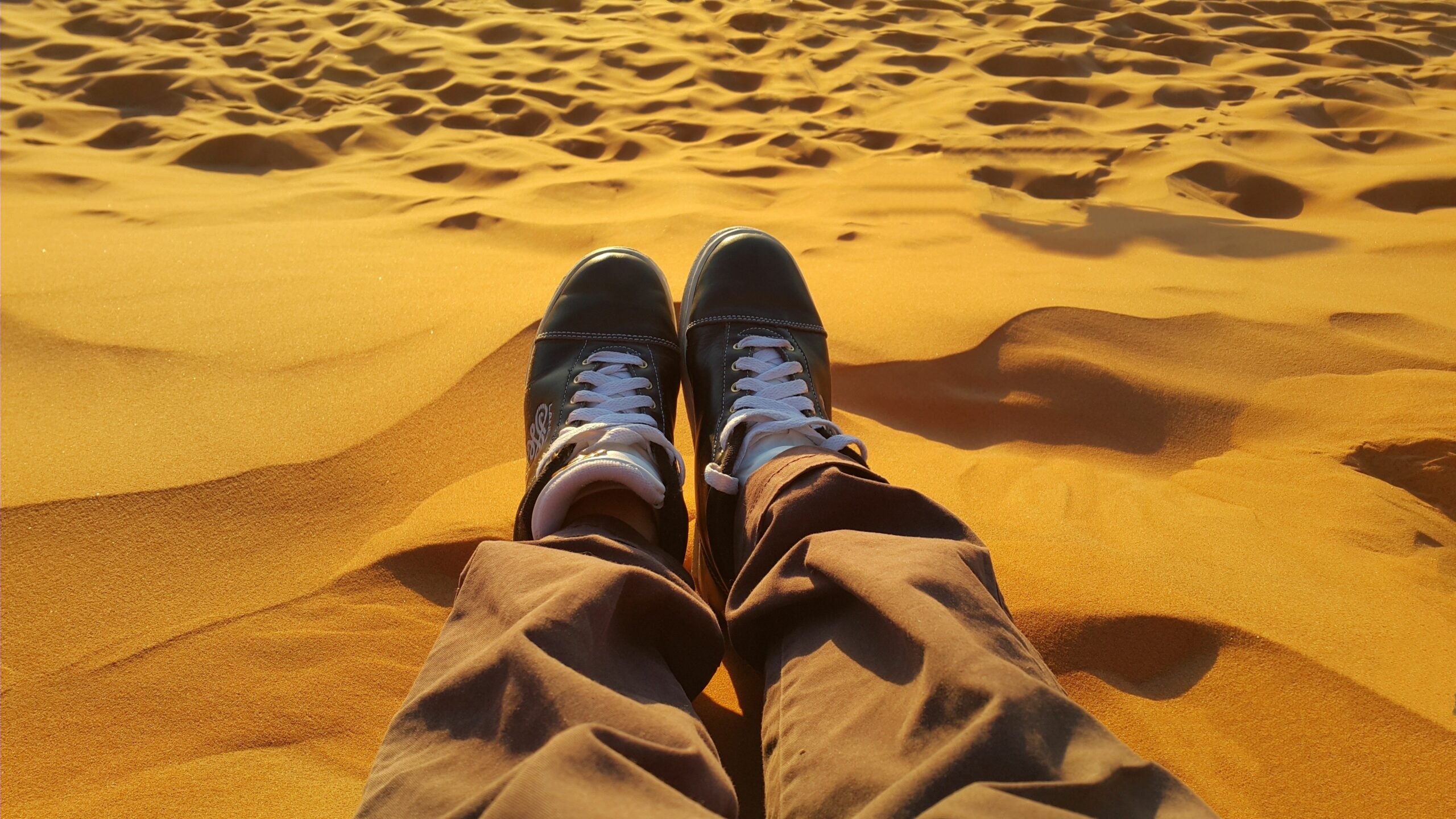
The Sahara is one of the highlights of many Morocco trips, and winter can actually be an excellent season to experience it. The daytime temperatures are much more comfortable than during the hottest part of the year, making activities such as camel trekking and dune exploration easier.
Merzouga and the Erg Chebbi dunes are particularly popular for overnight desert experiences. A typical trip may include a camel ride around sunset, dinner at a desert camp, traditional music, and sunrise over the dunes the following morning.
The main thing to remember is that the Sahara is not warm at night during winter. Temperatures can drop dramatically after sunset, so bring proper winter clothing even if the afternoon feels pleasantly warm.
Fes
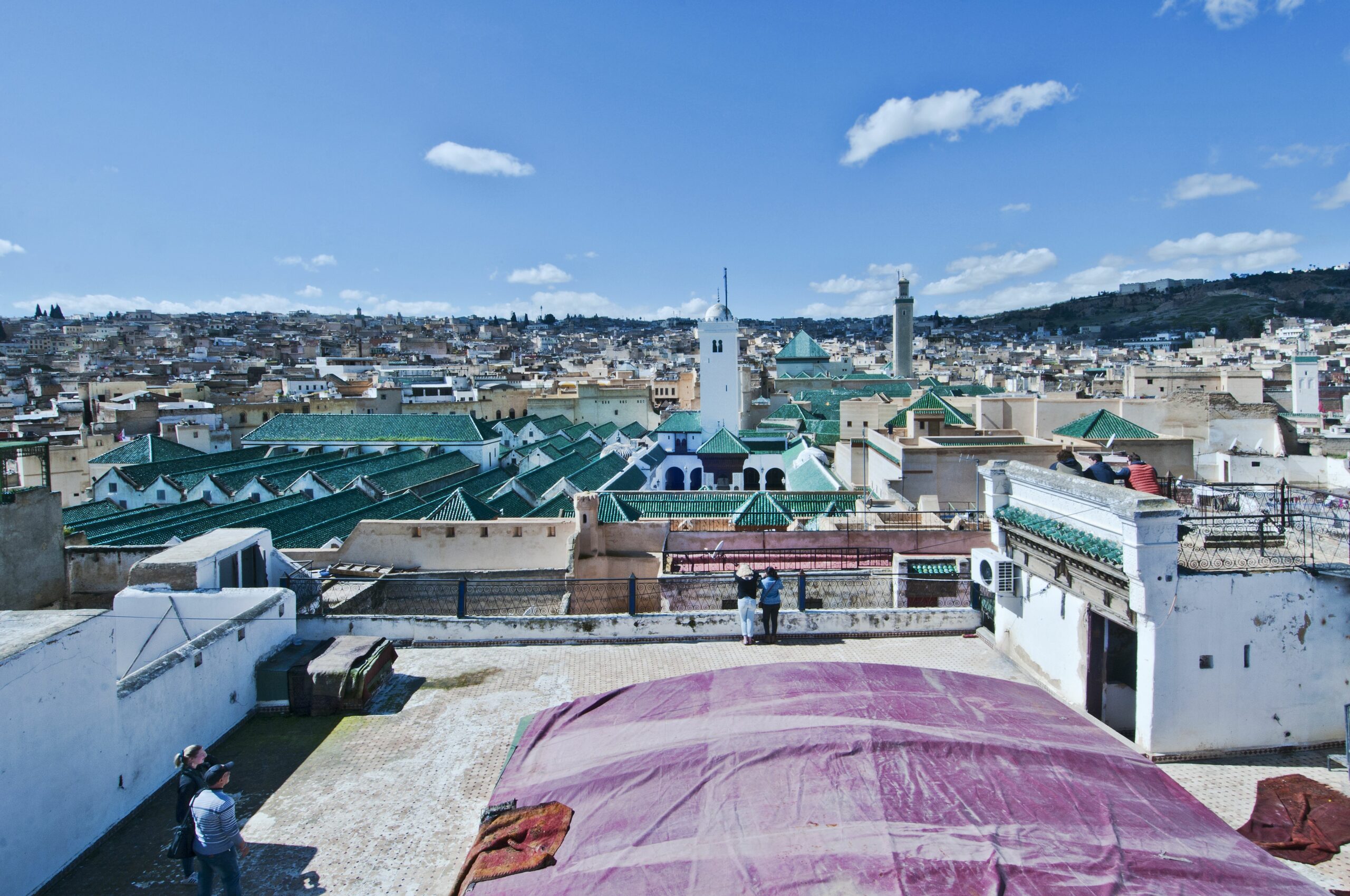
Fes is an excellent choice for travelers interested in history, architecture, traditional crafts, and Moroccan culture. The city’s famous medina is best explored on foot, and winter temperatures can make long walks more comfortable than during the hottest months.
Fes can be cooler and wetter than Marrakech, so a warm jacket and waterproof layer are useful. If you are planning to travel from Fes to the Sahara, winter also gives you the opportunity to experience the dramatic transition from the Middle Atlas Mountains to the desert.
Travelers with more time can also consider a 9-day tour from Fes through Morocco’s classic destinations, combining historic cities, mountains, desert landscapes, and southern Morocco.
Chefchaouen
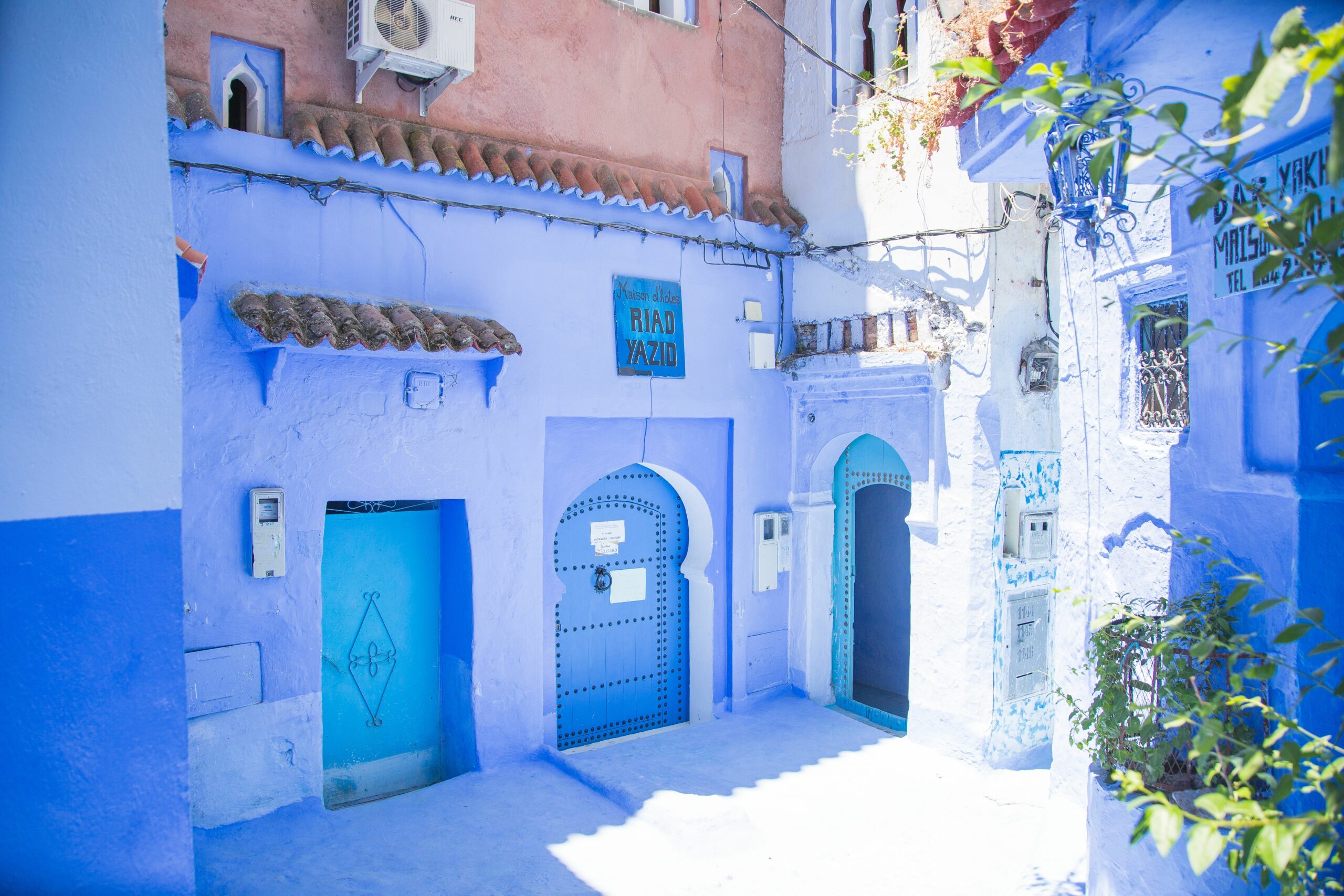
Chefchaouen is one of Morocco’s most photographed destinations, famous for its blue-painted streets and mountain setting. Winter gives the town a quieter atmosphere, but temperatures are colder than in Marrakech and rain is possible.
If you visit during winter, pack a waterproof jacket and comfortable shoes. The surrounding Rif Mountains also offer beautiful scenery, although outdoor activities should be planned according to weather conditions.
Ifrane and the Middle Atlas
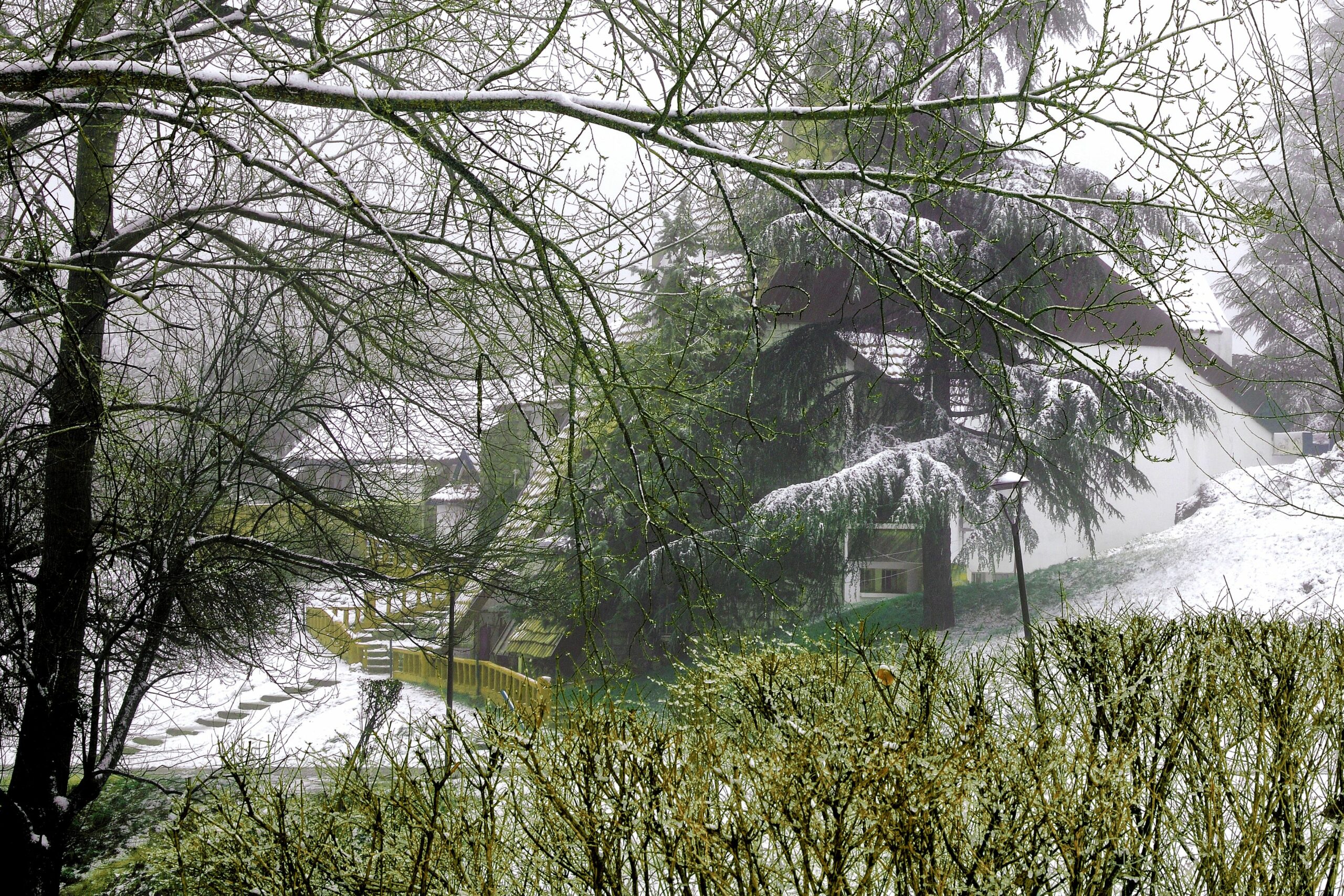
For travelers looking for snow in Morocco, Ifrane and the Middle Atlas Mountains are worth considering. Ifrane has a much colder climate than Marrakech because of its elevation, and winter snowfall can transform the town and surrounding landscapes.
The region is particularly interesting when included in a route between Fes and the Sahara. You can experience forests, mountains, valleys, and eventually the dry landscapes of southeastern Morocco within the same journey.
Agadir and Taghazout
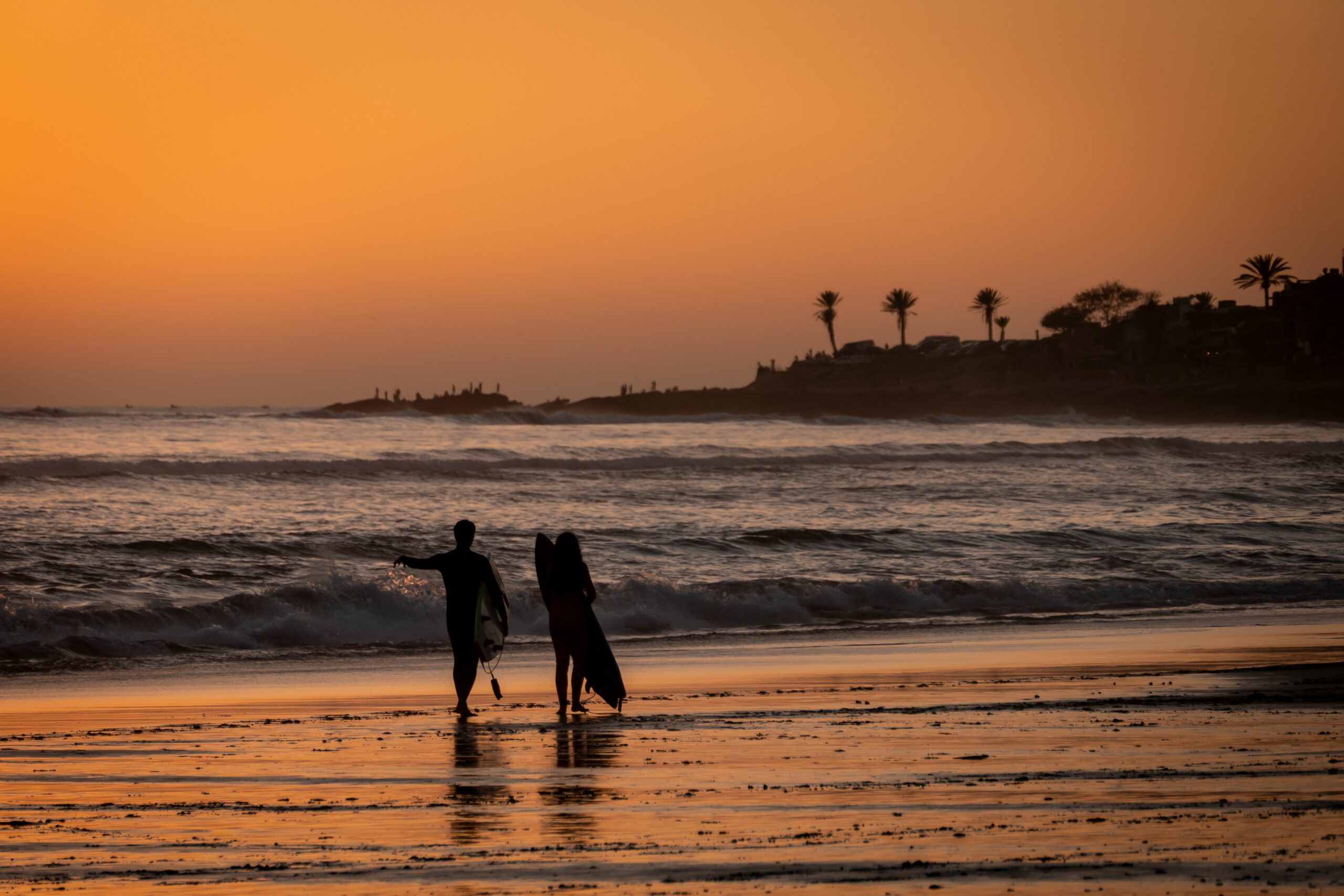
If your idea of winter travel means sunshine and the coast, Agadir is one of the best choices in Morocco. Its Atlantic location gives it a relatively mild climate compared with many inland and mountain destinations.
Nearby Taghazout is especially popular with surfers during winter. The combination of beaches, surf, seafood, and a relaxed coastal atmosphere makes the area a good alternative to a traditional city-and-desert itinerary.
Travelers who want to combine Agadir with the Sahara can consider a 5-day Sahara desert tour from Agadir to Merzouga, creating a route that combines the Atlantic coast with southern Morocco and the desert.
Is the Sahara Cold in Winter?
Yes. This is one of the most important things to understand before planning a Morocco winter travel itinerary.
The Sahara can be pleasantly warm during the day when the sun is shining, but temperatures fall quickly after sunset. December and January can be particularly cold at night, and desert camps can feel very chilly if you are not properly prepared.
Pack a warm jacket, sweater or fleece, thermal layers, thick socks, and comfortable closed shoes. If you are sensitive to cold, gloves and a warm hat are also useful.
Do not assume that a desert trip means packing only summer clothes. Winter desert travel requires a combination of lightweight daytime clothing and warm layers for the evening.
What to Pack for Morocco in Winter
The best approach is to pack clothing that can be layered. Temperatures can change considerably between morning, afternoon, and evening, and the difference is even greater when moving between cities, mountains, and desert regions.
For a typical winter trip, bring long-sleeve shirts, T-shirts, a sweater or fleece, a warm jacket, comfortable trousers, walking shoes, and a waterproof layer. A scarf is also useful, particularly in cooler evenings and desert areas.
If your itinerary includes the Sahara, add thermal clothing, warm socks, gloves, and a hat. Comfortable footwear is important throughout Morocco because medinas often have uneven streets, steps, and cobblestones.
It is also useful to pack a small day bag so you can carry an extra layer when temperatures change during the day.
A 7-Day Morocco Winter Itinerary
If you have one week, it is better to focus on a manageable route rather than trying to visit the entire country.
Start with two days in Marrakech, giving yourself enough time to explore the medina, palaces, gardens, and local food scene. On the third day, travel across the Atlas Mountains toward Ait Ben Haddou and Ouarzazate before continuing to the Dades Valley.
On the fourth day, continue toward Merzouga through the Todra Gorge and southeastern landscapes. Spend the night in the Sahara after a camel ride and enjoy the desert at sunset.
On day five, explore the Merzouga area and enjoy sunrise over the dunes before continuing north. Depending on the itinerary, you can travel through Midelt and the Middle Atlas toward Fes.
Finish the trip with one or two days in Fes, exploring the historic medina and traditional neighborhoods. Travelers who want to extend this type of route can consider an 8-day Morocco desert tour from Marrakech to Fes for more time to experience the desert and the destinations along the way.
Is December a good time to visit Morocco?
Yes. December is a good time to visit Marrakech, explore Moroccan cities, and travel to the Sahara. Days can be mild in southern Morocco, while evenings and desert nights are much colder.
Is Morocco warm in January?
Some destinations, particularly Marrakech and Agadir, can have pleasant daytime temperatures in January. However, mornings and evenings are cold, and mountain areas can experience snow.
Can you visit the Sahara Desert in winter?
Yes. Winter is a popular season for visiting the Sahara because daytime temperatures are more comfortable. You should simply prepare for very cold nights.
Does it snow in Morocco?
Yes. Snow occurs in higher mountain areas, particularly parts of the Atlas and Middle Atlas. Ifrane is one of the country’s best-known winter destinations for snow.
What should I wear in Morocco in winter?
Wear layers. Bring long-sleeve clothing, a sweater, warm jacket, comfortable walking shoes, and a waterproof layer. For the Sahara, add thermal layers and warm socks.
Which month is best for Morocco winter travel?
December, January, and February can all be good, depending on your itinerary. February is often a good choice for combining southern Morocco, the desert, and the Atlantic coast.
Is Morocco Worth Visiting in Winter?
Absolutely. Winter offers one of the best opportunities to experience Morocco’s incredible geographical and cultural diversity without the extreme heat of summer.
You can explore Marrakech during comfortable daytime temperatures, visit historic Fes, see snow in the mountains, travel through dramatic valleys, and spend a night among the Sahara dunes. The key is simply to plan according to regional weather and pack for temperature changes.
If you are looking for a winter destination that combines culture, adventure, food, mountains, desert, and coastline, Morocco deserves a place on your list.
The best Morocco winter travel experience is not about finding one perfect destination. It is about combining the right places for the season and allowing enough time to enjoy each one.