Morocco is more than a destination for beautiful landscapes, ancient medinas, colorful souks, and unforgettable Sahara Desert adventures. A trip to Morocco is also an opportunity to discover centuries-old traditions through local crafts, food, clothing, and handmade products. From the lively souks of Marrakech to the artisan workshops of Fes, shopping can become one of the most memorable parts of your journey.
But what is a must buy from Morocco? There is no single answer. The best Moroccan souvenirs are the ones that combine authentic craftsmanship, local culture, and practical value. Whether you are looking for a small gift or a special item to remember your Morocco trip, you will find plenty of unique choices.
1. Argan Oil
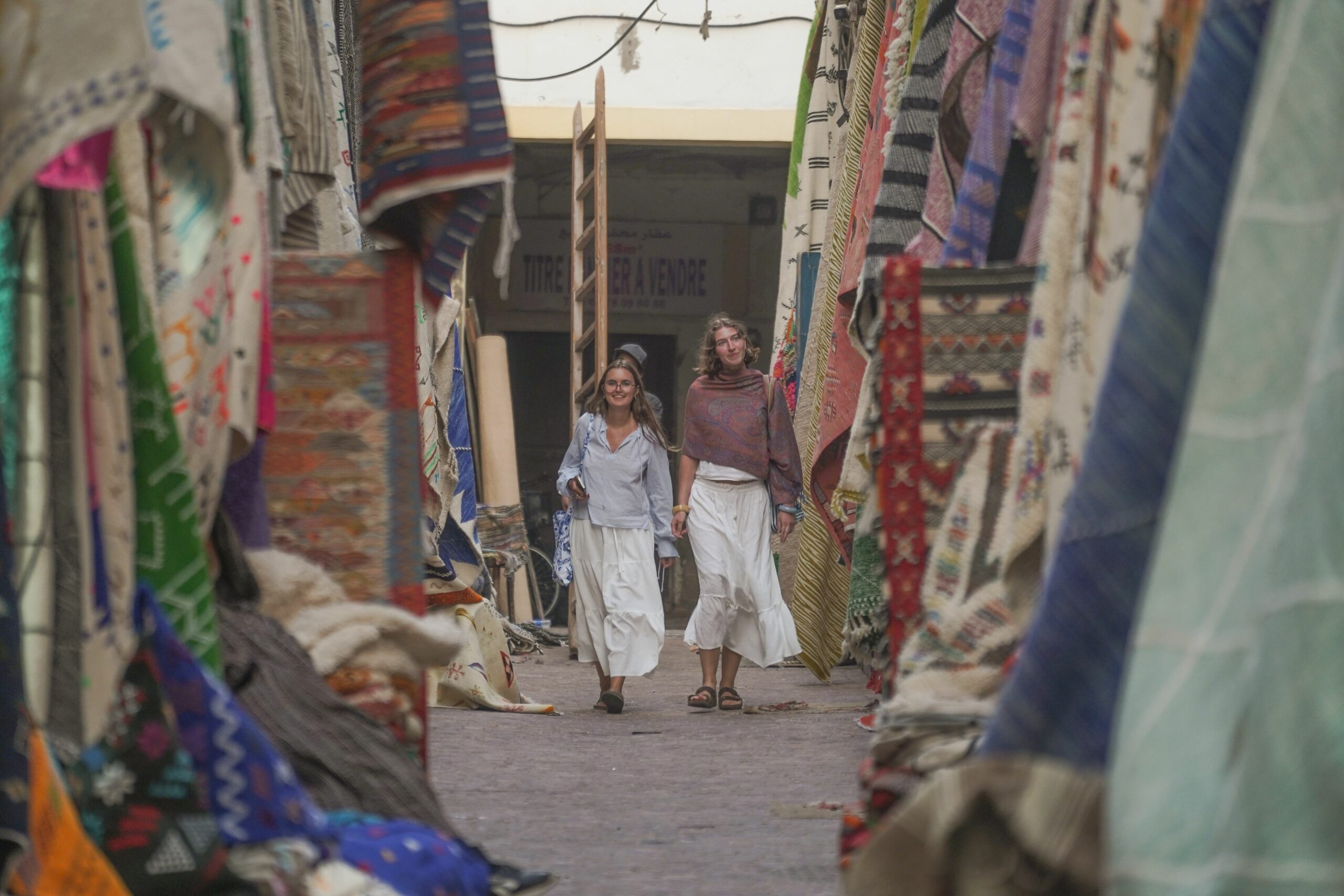
Argan oil is one of the most famous products associated with Morocco. It is mainly produced in southwestern Morocco and is available as both cosmetic and culinary oil. Cosmetic argan oil is commonly used for hair and skin, while culinary argan oil has a distinctive nutty flavor.
When buying argan oil, choose a reputable cooperative or specialist shop and check the label carefully. Authenticity and quality matter more than getting the cheapest bottle.
2. Moroccan Rugs and Berber Carpets
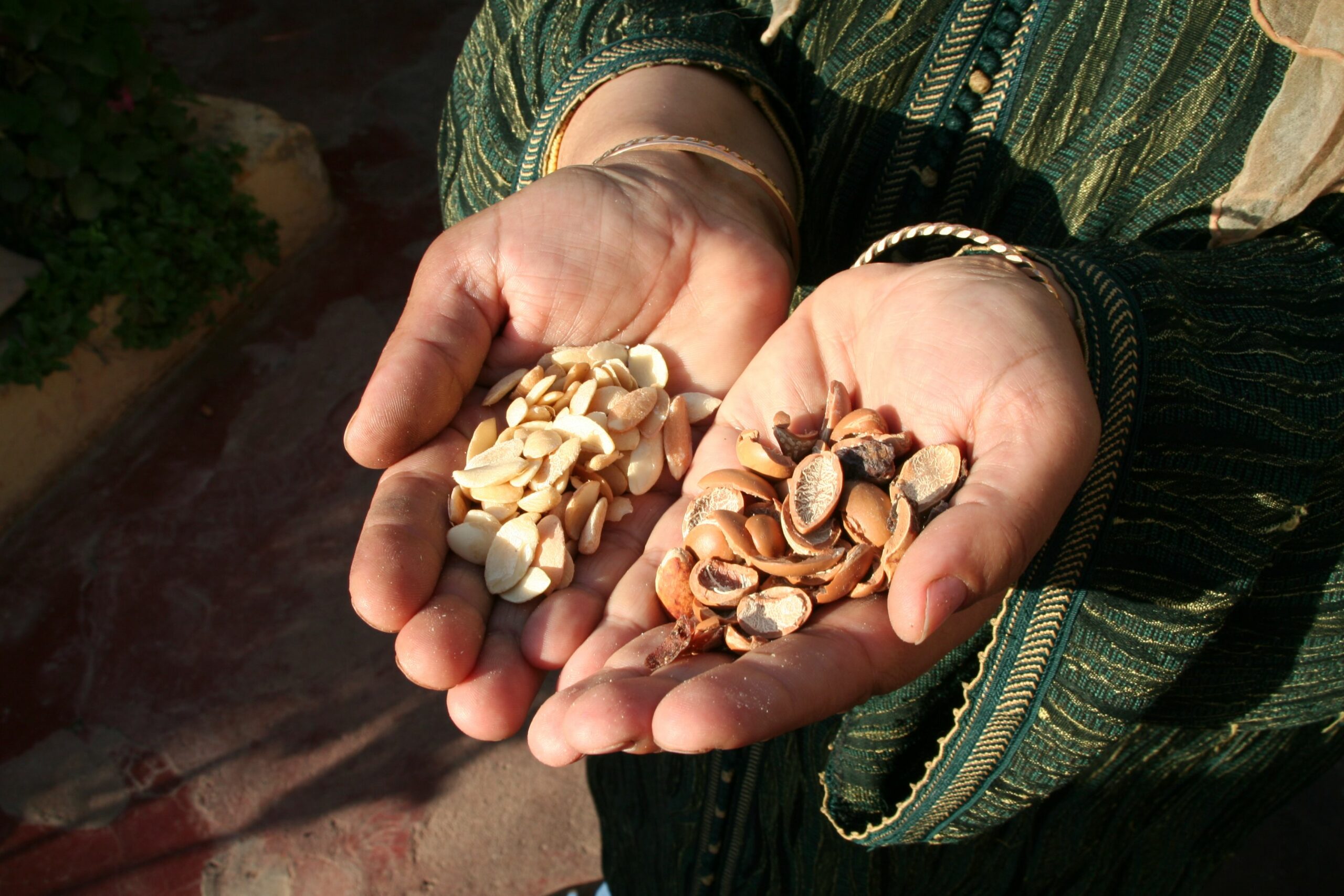
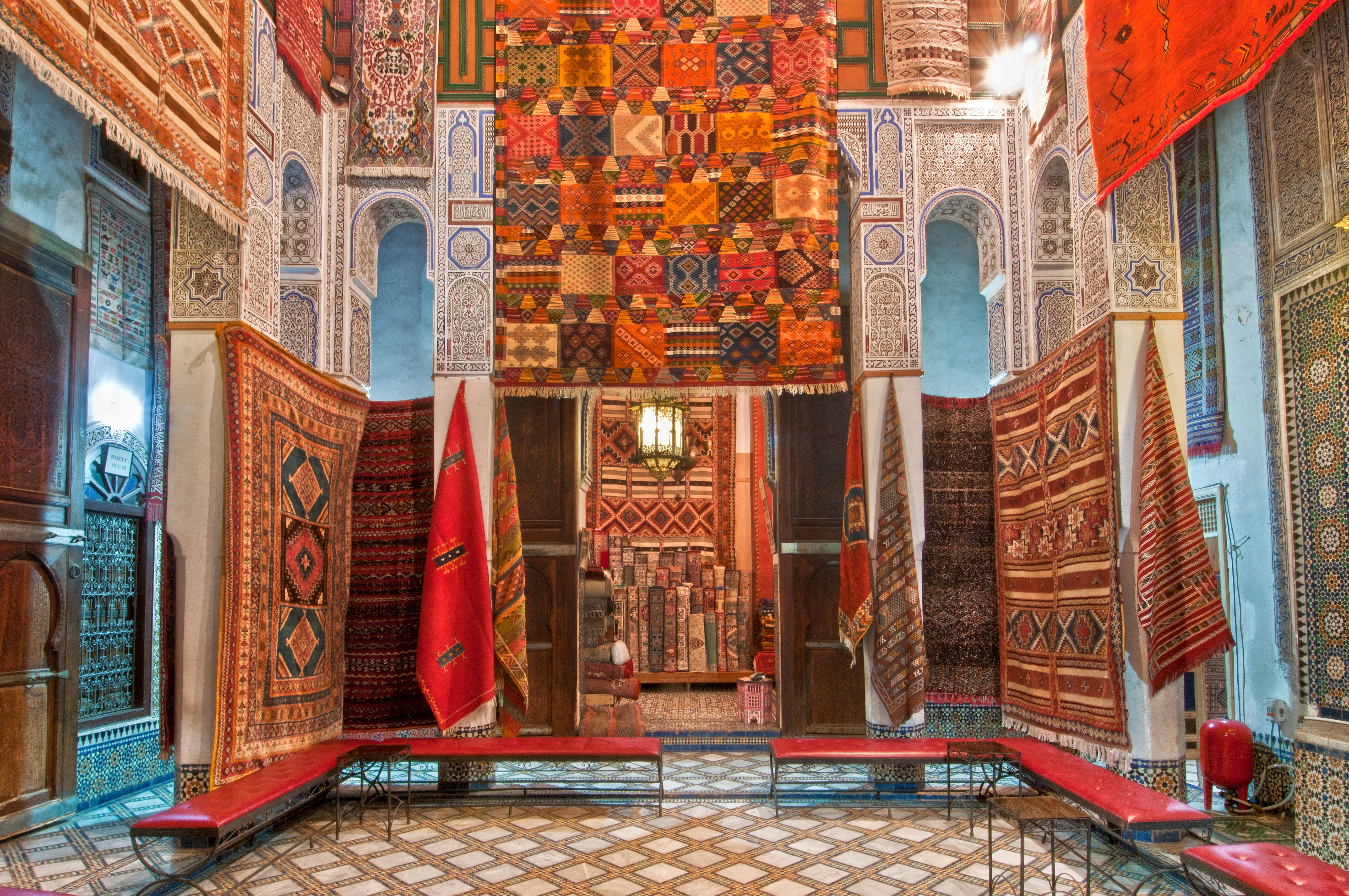
A handmade Moroccan rug can be a beautiful way to bring a piece of Moroccan culture into your home. Traditional rugs come in many styles, including Berber designs, colorful Boucherouite rugs, and minimalist Beni Ourain carpets.
Each region and community has its own patterns, colors, and weaving traditions. Ask about the origin, materials, and handmade process before purchasing a valuable carpet.
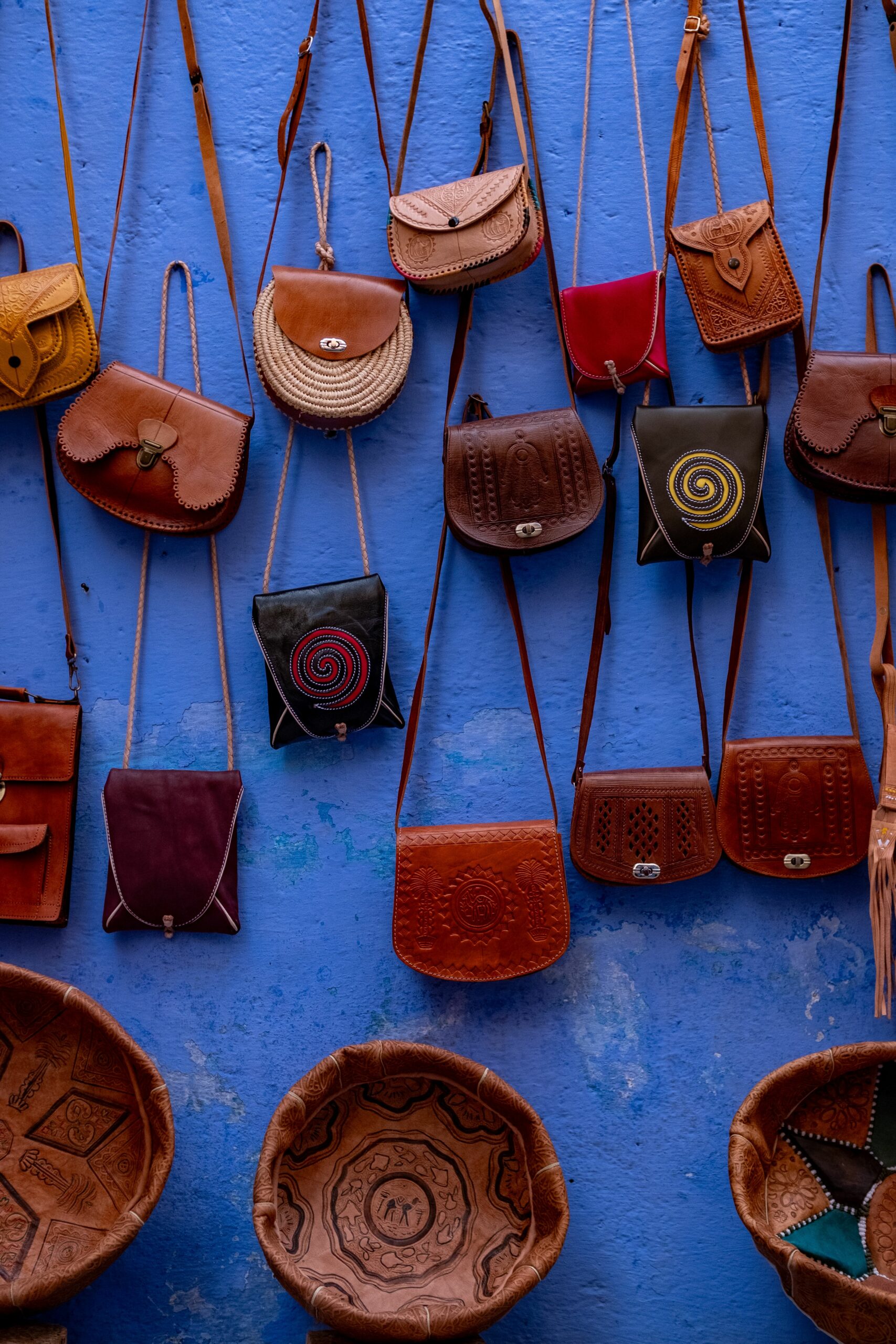
3. Moroccan Leather Goods
Morocco has a long tradition of leather craftsmanship, particularly in Fes. Visitors can find handmade bags, wallets, belts, poufs, jackets, and traditional slippers called babouches.
A leather bag or a pair of babouches is a practical souvenir because it is relatively easy to pack and can be used long after your Morocco holiday.
4. Moroccan Ceramics and Pottery
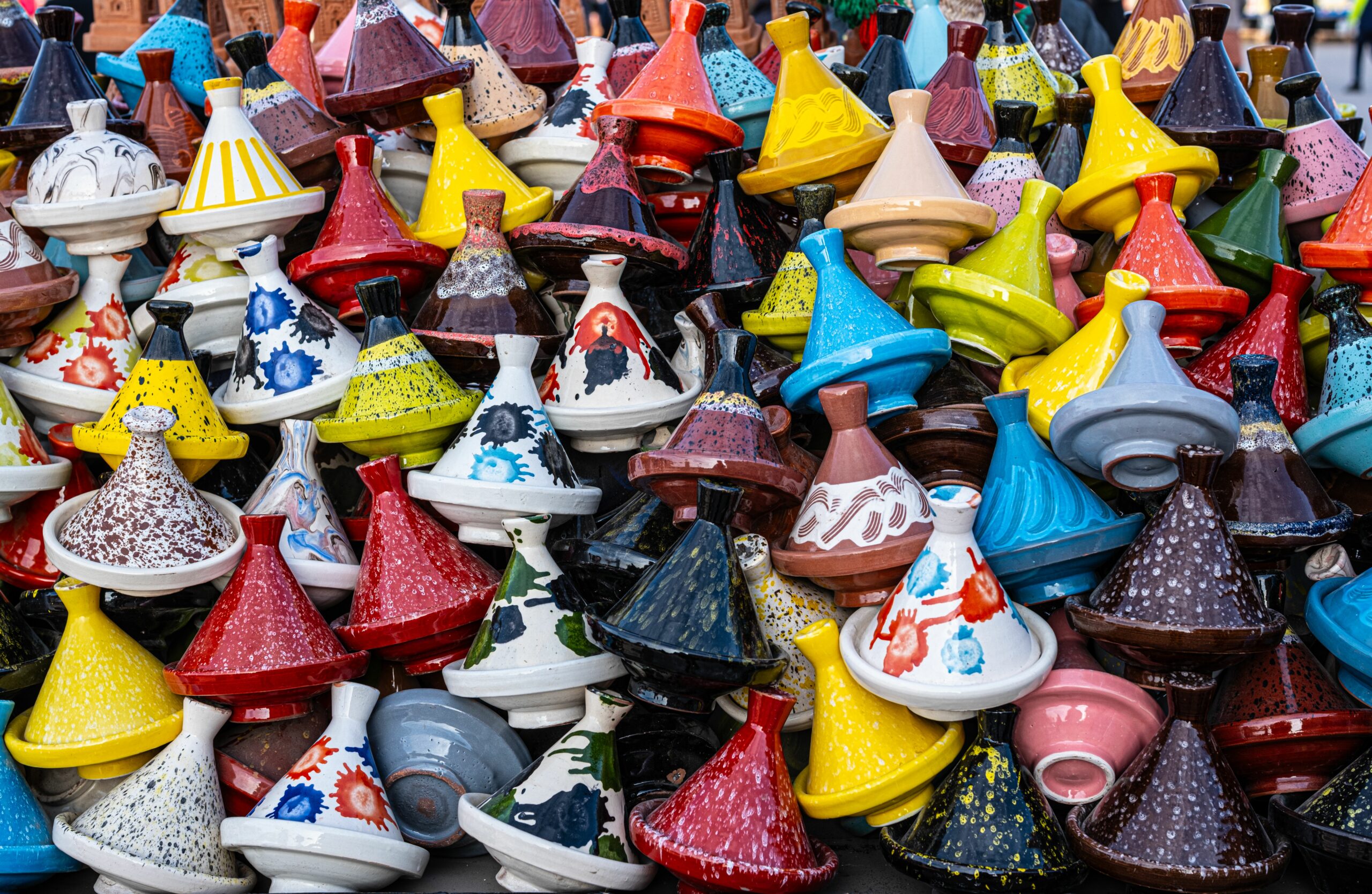
Moroccan ceramics are known for their colorful designs and geometric patterns. Plates, bowls, cups, tagines, and decorative pieces can be found in many markets and artisan workshops.
Fes is particularly associated with blue-and-white ceramics, while other Moroccan regions have their own distinctive styles. Look closely at the finishing and ask whether a piece is designed for decoration or everyday use.
5. Moroccan Spices
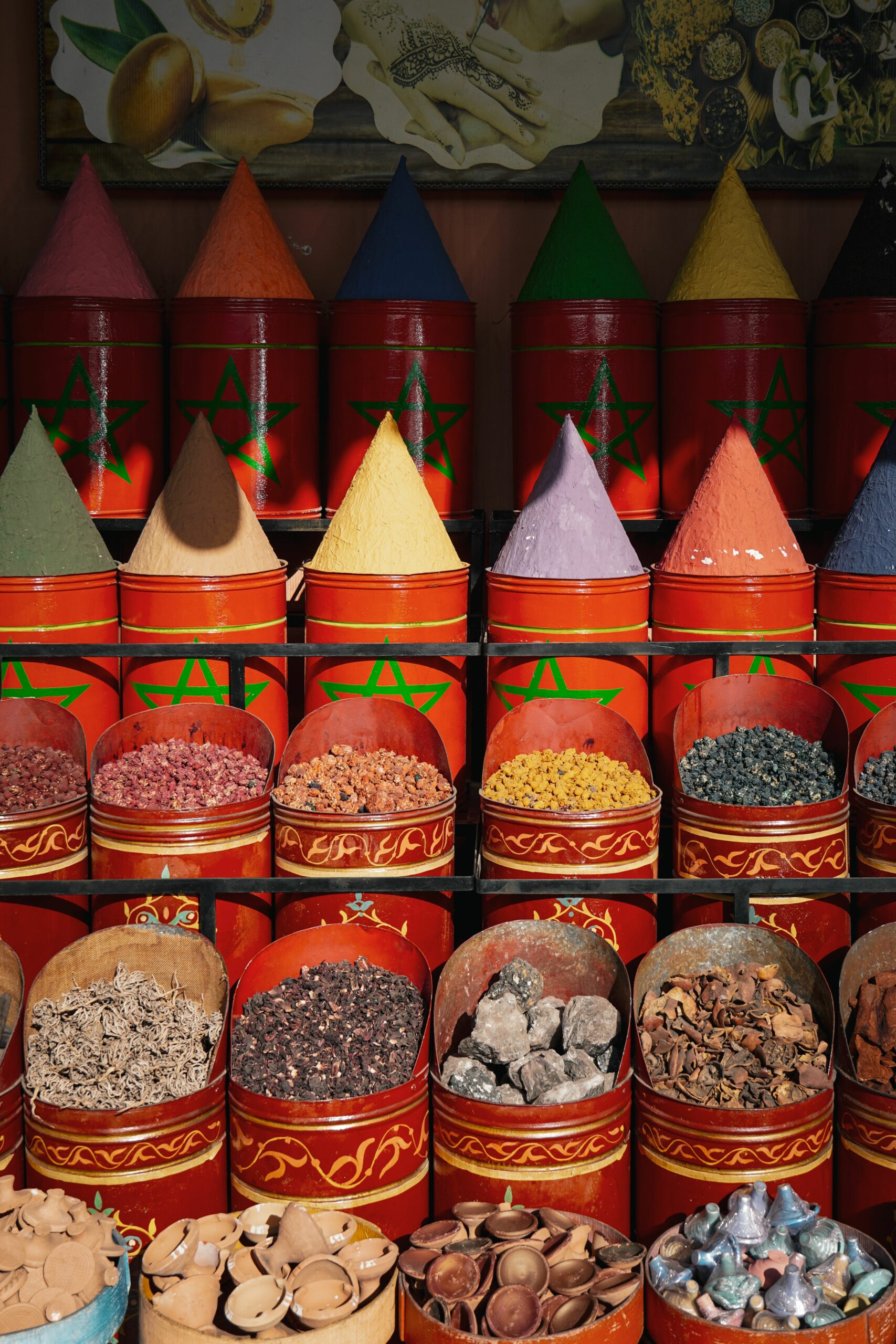
For food lovers, Moroccan spices are among the easiest souvenirs to take home. You can find cumin, paprika, saffron, cinnamon, ginger, and ras el hanout, a complex Moroccan spice blend.
Buying spices allows you to recreate some of the flavors you discovered while eating tagines, couscous, and other Moroccan dishes. Always check the customs rules of your home country before bringing food products back.
6. Traditional Moroccan Lanterns
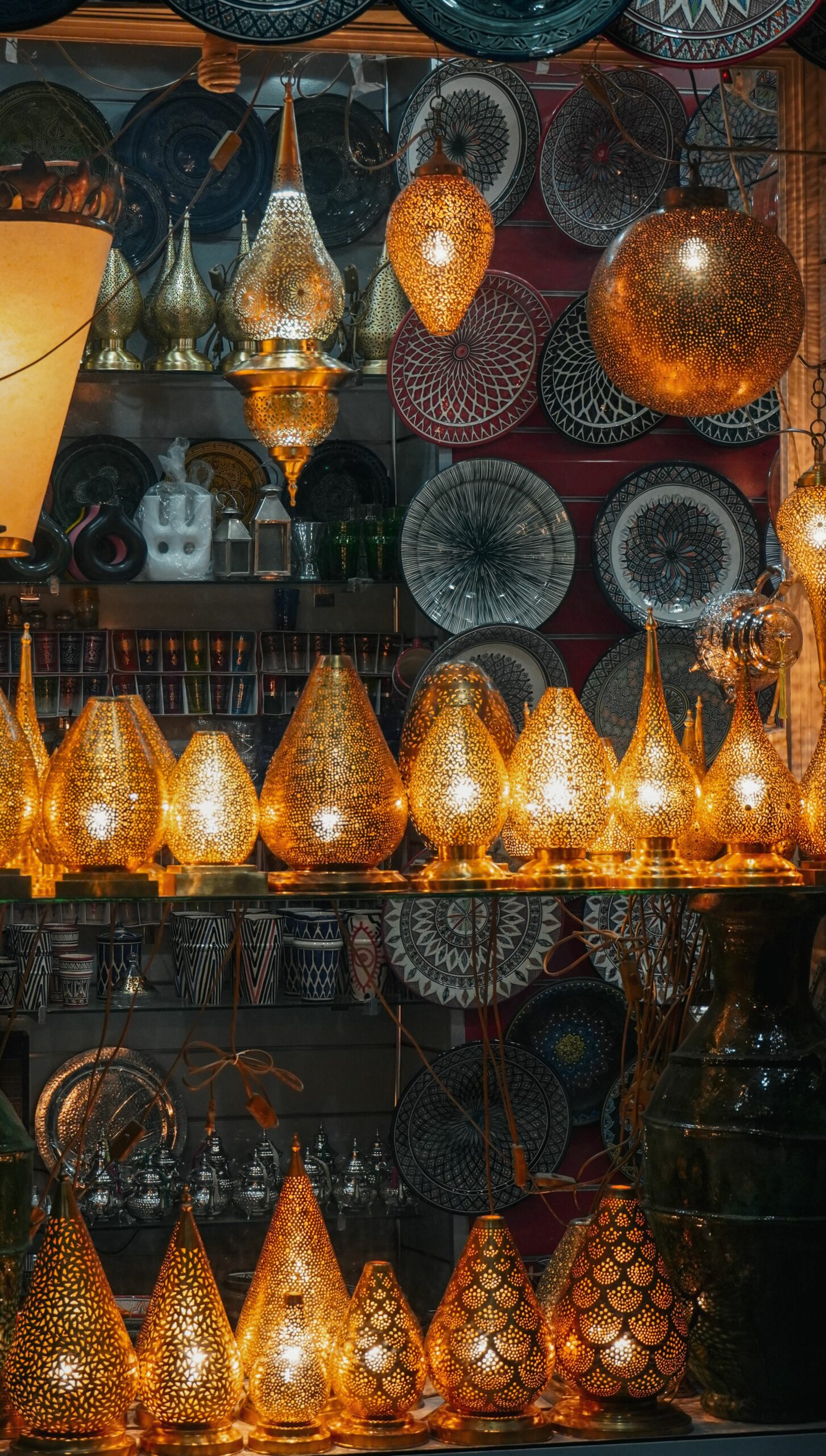
Moroccan lanterns are a popular choice for travelers looking for something decorative. Made from metal, glass, or a combination of materials, they create beautiful patterns of light and can add a Moroccan touch to a home.
They are especially common in the souks of Marrakech, where visitors can see artisans working with traditional metalcraft.
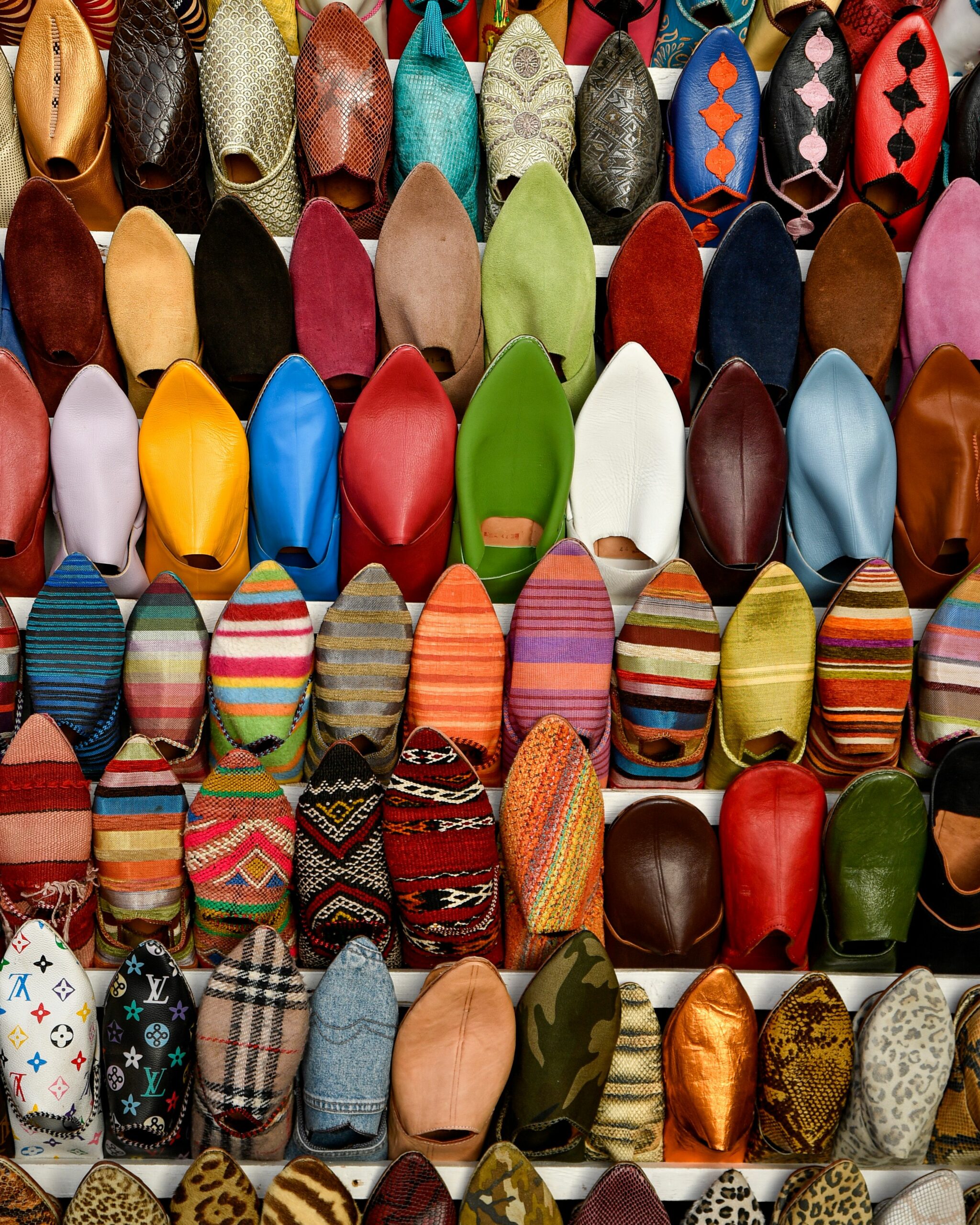
7. Babouches: Traditional Moroccan Slippers
Wondering what is a must buy from Morocco for something small and easy to carry? Babouches are an excellent option.
These traditional Moroccan slippers are made in different colors, styles, and materials. They are lightweight, distinctive, and closely associated with Moroccan traditional dress. You can often find them in Marrakech, Fes, and other historic medinas.
8. Natural Moroccan Beauty Products
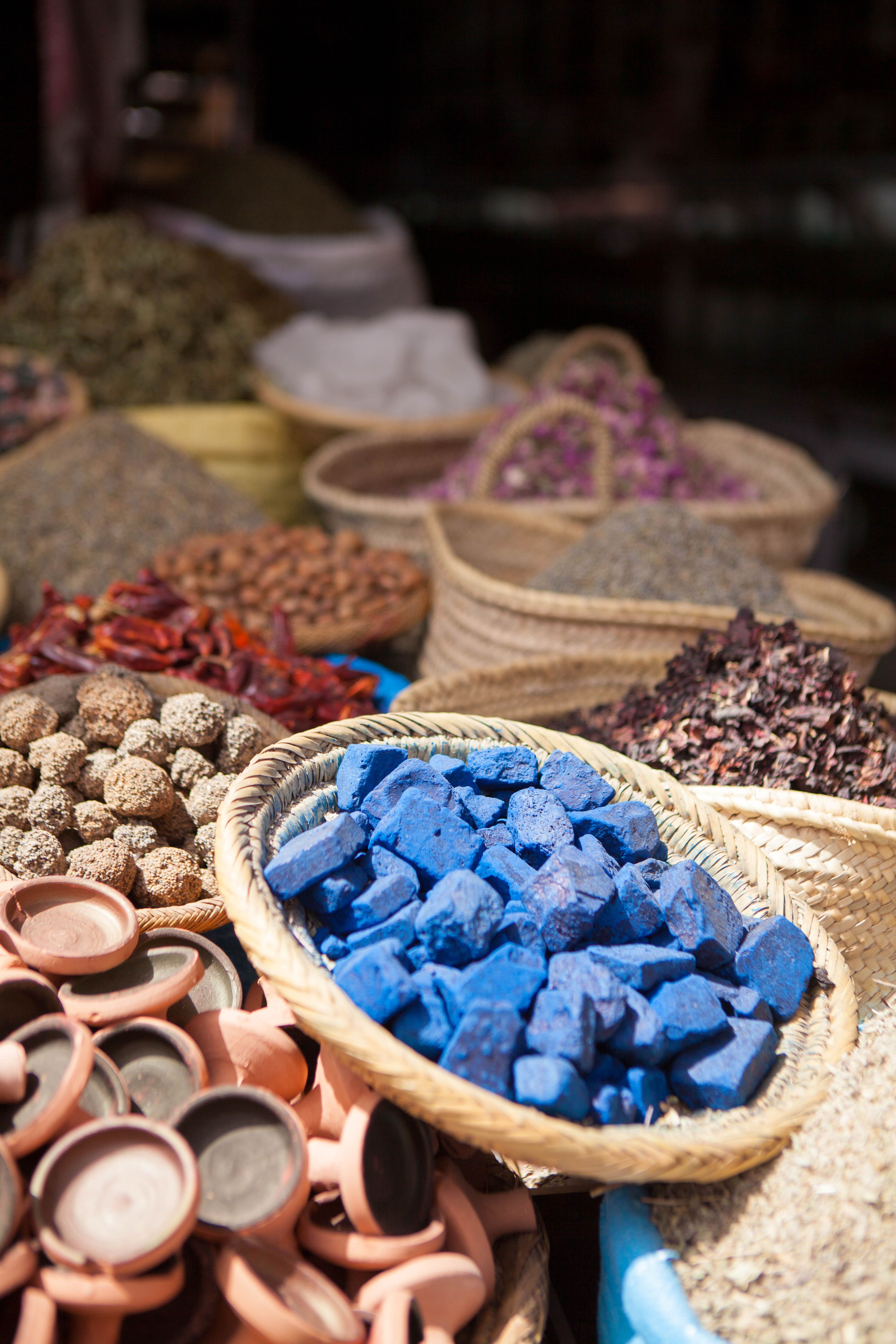
Morocco is known for traditional beauty products such as black soap, ghassoul clay, prickly pear seed oil, and other natural preparations.
These products are particularly popular among visitors interested in Moroccan hammam traditions. As with argan oil, buy from reputable sellers and check the ingredients and labeling carefully.
9. Moroccan Jewelry and Artisan Crafts
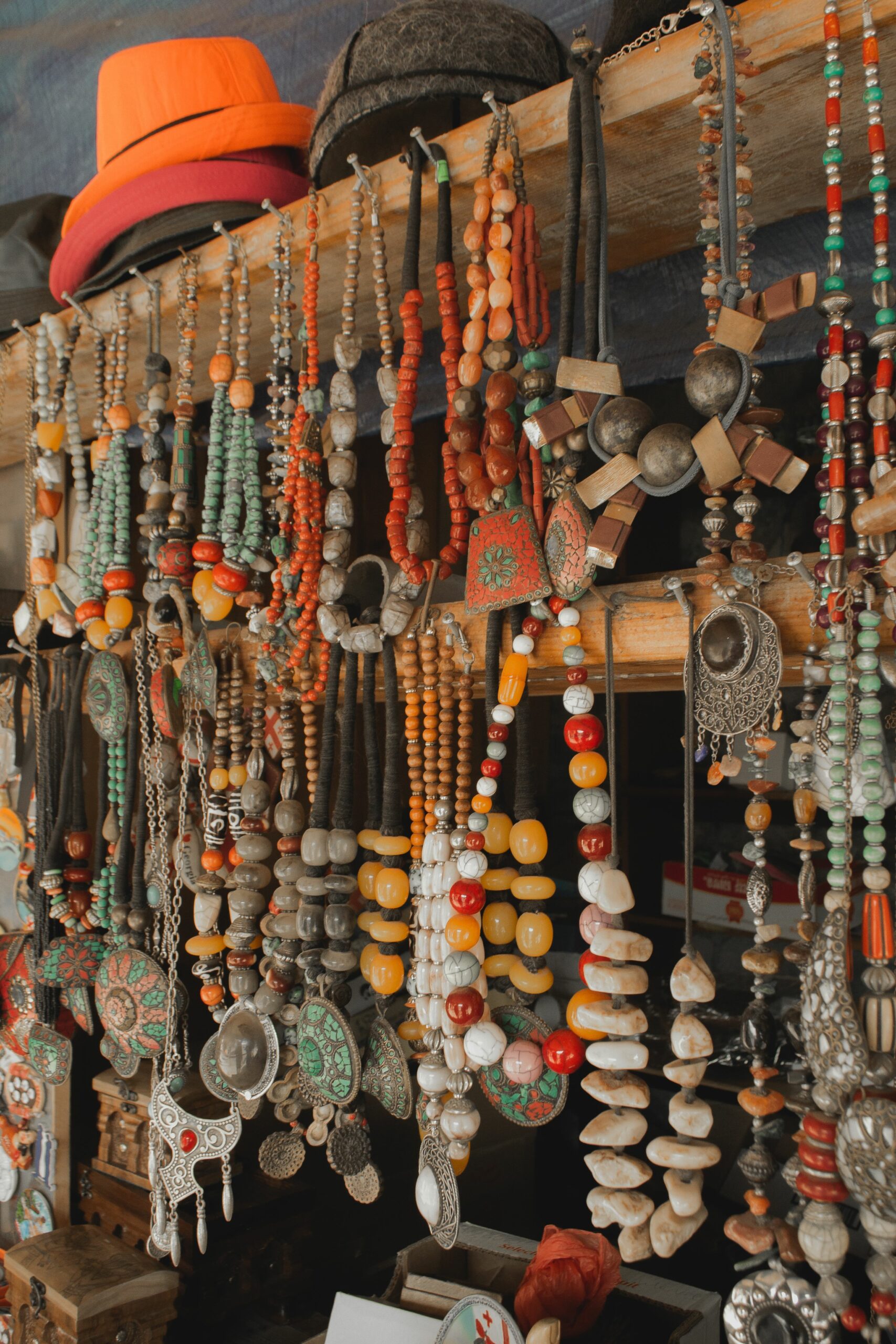
Silver jewelry, handmade bracelets, necklaces, decorative metalwork, and locally crafted accessories can also make memorable souvenirs. Some pieces reflect Amazigh artistic traditions and regional identities.
Rather than choosing a generic souvenir, look for something with a clear connection to the region you are visiting.
10. Moroccan Tea and a Traditional Teapot
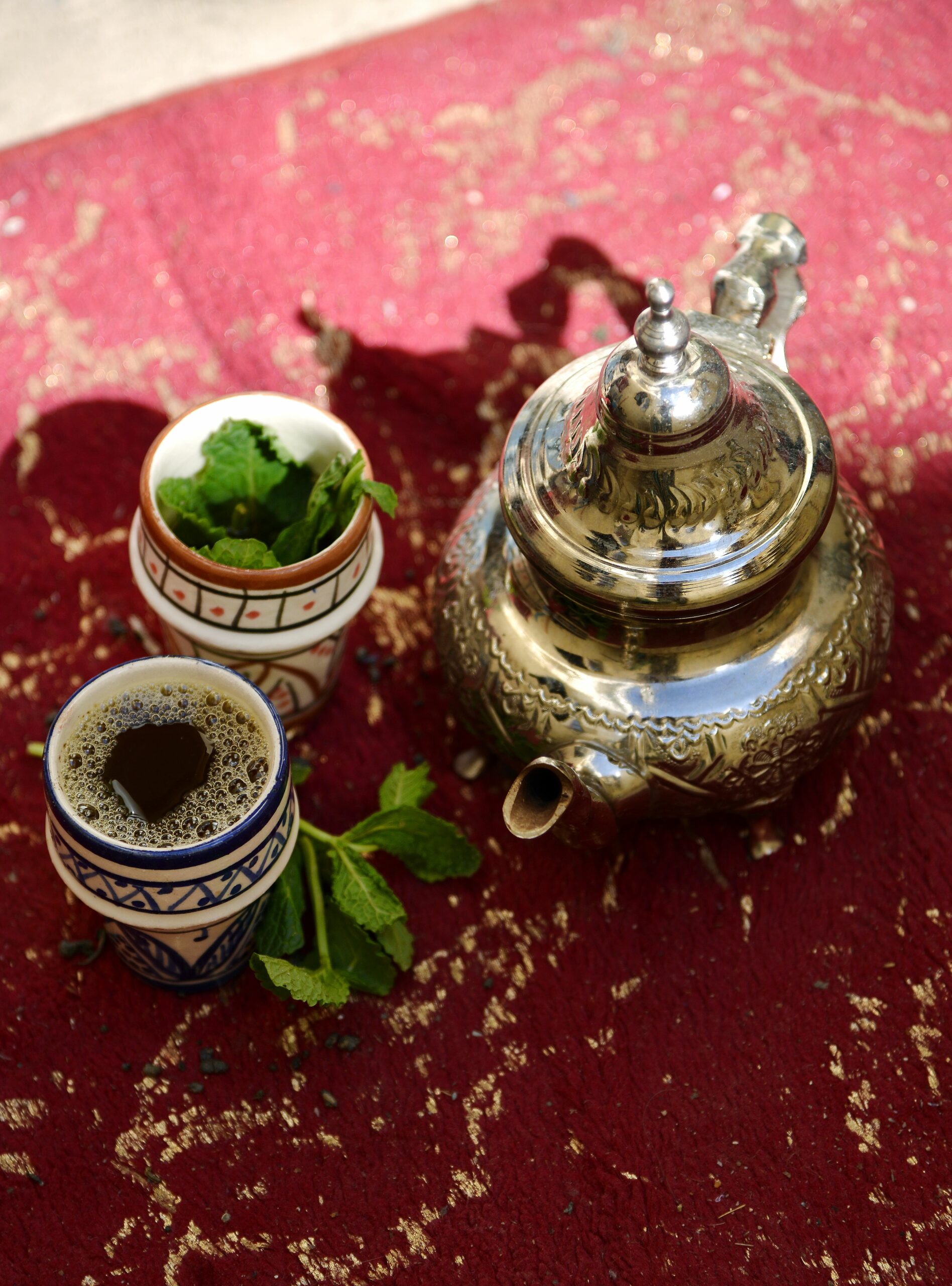
Moroccan mint tea is an important part of hospitality and everyday social life. A traditional Moroccan teapot combined with decorative tea glasses can make a meaningful souvenir.
Add some Moroccan green tea or mint tea to your purchase and you can recreate part of the Moroccan tea experience at home.
Where Is the Best Place to Shop in Morocco?
The best place to buy Moroccan souvenirs depends on what you are looking for. Marrakech offers a huge variety of products in its famous souks, while Fes is particularly interesting for leather, ceramics, and traditional craftsmanship. Essaouira and the surrounding region are well known for argan products and thuya woodwork.
During a desert journey, you may also encounter local crafts and products that are less common in major tourist cities. Shopping directly from artisans and reputable cooperatives can make the experience more personal and help you understand the story behind what you buy.
Should You Bargain in Moroccan Souks?
Bargaining is a normal part of shopping in many traditional Moroccan souks. However, it is best treated as a friendly cultural exchange rather than a competition.
Before buying an expensive item, visit several shops, compare quality and prices, and take your time. Do not feel pressured to buy immediately. For higher-value products such as rugs, ask questions about materials, origin, craftsmanship, and whether shipping is available.
Fixed-price artisan shops and cooperatives can also be a good option for travelers who prefer a simpler shopping experience.
How to Choose Authentic Moroccan Souvenirs
The most important thing is not to buy simply because an item looks Moroccan. Ask where it was made, who made it, and what materials were used.
For argan oil, check the type and labeling. For leather, examine the stitching and finish. For rugs, ask about the weaving technique and materials. For ceramics, check whether the item is intended for cooking, serving, or decoration.
Buying fewer authentic products is often better than filling your suitcase with mass-produced souvenirs.
What should I avoid buying in Morocco?
Be cautious with products that have unclear origins, poor labeling, or claims that seem difficult to verify. For valuable items, compare several sellers and ask about authenticity and materials.
How can I bring Moroccan souvenirs home?
Consider the size, weight, fragility, and customs rules before buying. Many shops can arrange shipping for larger items such as carpets or furniture, while smaller products such as spices, leather goods, and textiles are easier to pack.