Seleccionar página
Moroccan Sweets: 12 Best Moroccan Dessert Recipes 

Moroccan Sweets: 12 Best Moroccan Dessert Recipes 

Moroccan Sweets best moroccan dessert recipes

The famous delicious Moroccan sweets that you must taste 

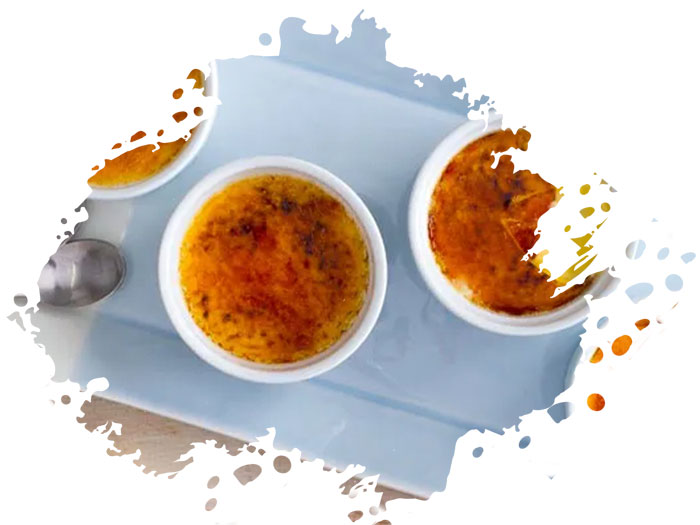
The most popular traditional Moroccan dessert is Mulhalbia. It is a kind of orange blossom crème brûlée that represents a rich cultural heritage created throughout history by the fusion of Mediterranean, Arab, and Berber cultures.  

This dessert is one of the few exceptions among typical Moroccan desserts that do not contain fresh or dried fruit with honey, ground almonds or rose water. Mulhalbia is not only one of the most famous desserts in the West, but it often steals the show from the delicious Moroccan pastries that are so generous and a symbol of this local cuisine.   

The most famous Moroccan sweets are the gazelle horns – “kaab el ghzal” – seffa, and baklava, which is popular throughout the Middle East and even in the Balkans. Not to be missed on your next trip to this fragrant country, here’s a list of traditional Moroccan sweets you can enjoy without going hungry: 

The 12 best traditional Moroccan Sweets you must try 

Moroccan cuisine has been declared an Intangible Cultural Heritage by UNESCO. In addition to the exquisite gastronomy, and sweet and savory dishes that we know in these North African countries, if you like spice mixes, honey, cinnamon, orange blossoms, walnuts, and almonds or halva, you should definitely discover the divine Moroccan pastries that you can enjoy at the end of a meal.  


Are you ready to send your taste buds on a journey? 

Marruecos Clase de cocina

The cooking class workshop is a must-do and fun experience while you are spending your holiday in Morocco.

1. Mulhalbia 

How can we begin this ranking without mentioning the inevitable Moulhalbia referred to in the beginning of this article? This typical Moroccan dessert, also known in Lebanon as “moulhalbia,” is a pudding with a subtle orange blossom flavor, eaten either plain or sprinkled with almonds and cinnamon, or with syrup and caramelized pistachios. 

The advantage of Mulhalbia is that it can be eaten fresh, with delicately sweet notes. The famous “Moroccan crème brûlée” is a lighter end to a meal, without weighing it down with the honey or Moroccan sweets we all love, but which are not very light! 
Moroccan Sweets

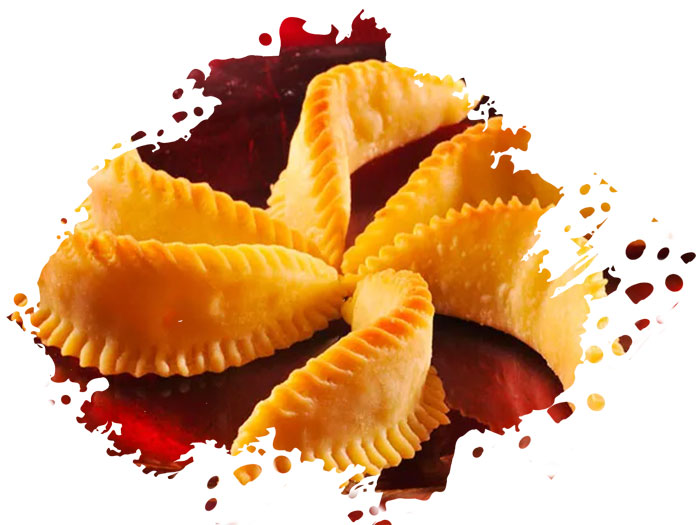
2. Gazelle horn 

Among the most typical sweets of Morocco are the gazelle horns, called “Kaab el Ghazal” in the region, which top the list of traditional North African sweets. The gazelle horn is Morocco’s “etiquette” and a certain expression of generosity. Its distinctive shape honors the gazelle, an animal associated in the Arab world with beauty and elegance. This dessert is served on all family and religious holidays, such as Eid al-Fitr and the Prophet’s birthday.   

It is a kind of small crescent made of crusty dough with a fragrant filling of almond paste seasoned with orange blossom water and cinnamon. Then bake it in the oven until golden brown. Finally, dip it in the orange blossom water and the dessert is ready! It can then be sprinkled with powdered sugar (optional). In this case, the dough is called Kaab el Ghazal M’fenned. The price of Kaab Ghazal in Morocco is relatively high because it contains high quality pure almonds, which are sprinkled on guests. 
Moroccan Sweets Kaab Laghzal

3. Chebakia 

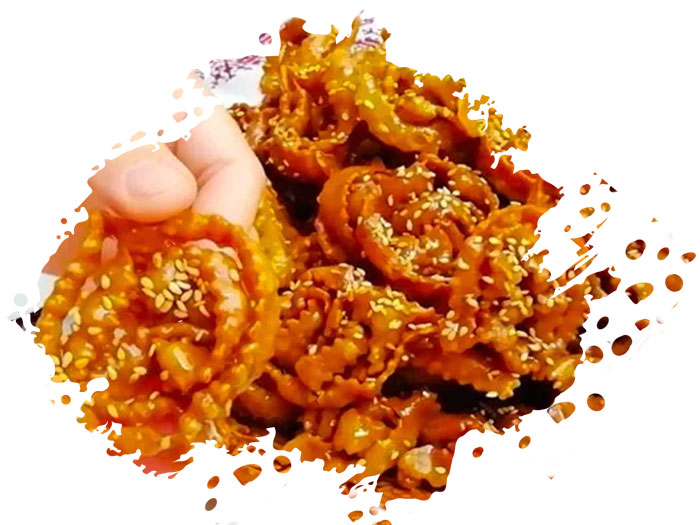
Moroccan chebakia is one of the oldest desserts in Moroccan cuisine. Also called “m’harka,” it is a Moroccan pastry that is used to gently break the fast during Ramadan. This little oriental sweet, consisting of fried almond cookies that are then smeared with honey and sesame seeds, has a particularly sweet and energetic side that immediately raises blood sugar levels. 

This traditional Moroccan dessert has a spicier flavor than others. A pinch of saffron, cinnamon and ground anise (cumin), which is said to have digestive properties, is added to the wheat flour dough. After rolling out and pressing thoroughly, the dough is deep-fried and smeared with honey and orange blossom water, then sprinkled with sesame seeds. Because of its round shape, it is sometimes compared to a doughnut or a “Moroccan cookie.” A delight for lovers of savory desserts! 
Marruecos Clase de cocina

The cooking class workshop is a must-do and fun experience while you are spending your holiday in Morocco.

4. Baklava 

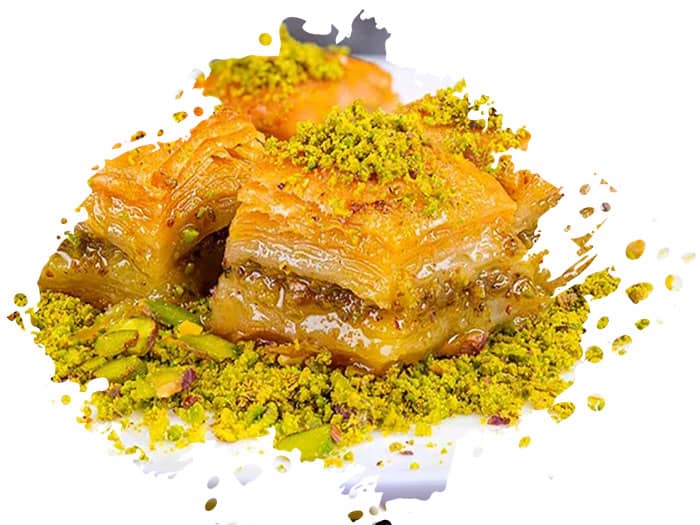
Baklava is one of the best desserts in the Middle East. It is popular among all Arab peoples, especially in the Ottoman Empire and Persia, where it originated. This savory dessert of phyllo dough, butter, tahini, cinnamon and nuts is dipped in a generous bath of honey, which gives it a crisp, satisfying texture.  

This Moroccan pastry, known in the Maghreb version as baklava or baklawa is made with a nut or pistachio filling to which cocoa is added. This delicious dessert, served in small lozenge-shaped portions, is one of sixteen non-European foods and drinks on the list of the ten most famous foods in the world. 
Moroccan-Baclava

5. Seffa 

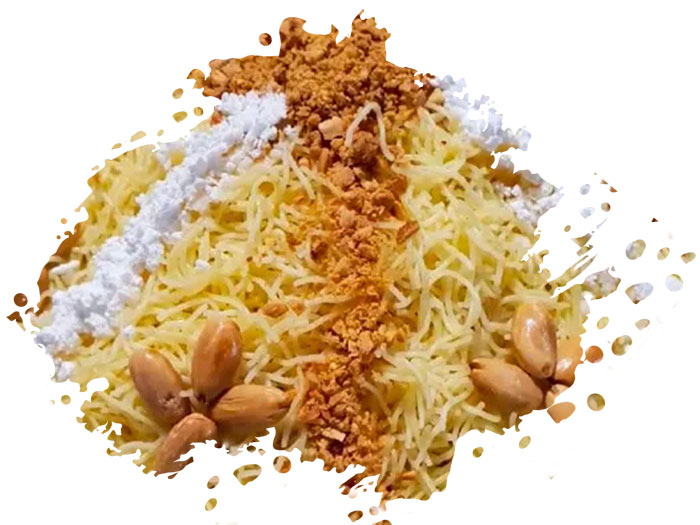
This traditional Moroccan dessert is one of the most unusual, but also one of the most delicious. It is a salty dish of semolina or angel hair (cadaif), similar to couscous and cooked in a sweet version with butter, cinnamon, and almonds. Less commonly, it can also be made with rice or rice noodles. There are also other variations. For example, “Seffa hlouwa bezbib” is an excellent couscous sweetened with sultanas and cooked exclusively by hand. 

In the past, it was considered the breakfast of the poor, as its energy value allowed workers to get through a long day at work. Today, it is often made for special occasions such as family reunions, births and even weddings, and kids love it! 
Moroccan Seffa

6. Macroute 

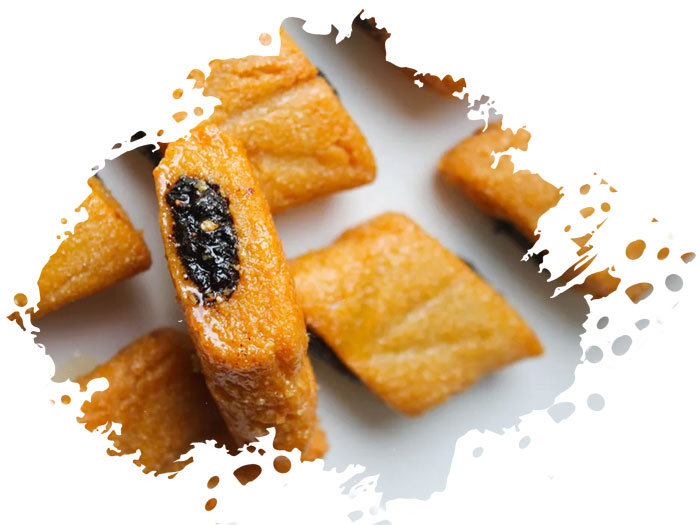
Macroute, also called “macrude,” is a North African dessert that actually comes from the Algerian border. But thanks to the delicate flavor of candied dates and the flattened diamond shape that allows it to be enjoyed in a single bite, it quickly won the hearts of Moroccans. 

This oriental pie became popular in Morocco in the ninth century in the city of Fez, Morocco, thanks to the Cayruans, who knew how to roll out wheat semolina with a filling of dates, figs and almonds and then bake it and fill it with a mixture of honey and orange blossoms. A delight for young and old! 
Macroute : Moroccan Sweets

Marruecos Clase de cocina

The cooking class workshop is a must-do and fun experience while you are spending your holiday in Morocco.

7. Briuat 

Like seffa, a traditional Moroccan sweet based on a salty recipe, briouats belong to the marshmallow family. Filled with tuna, chicken or lamb, they are usually consumed as a snack, but Middle Easterners also like them filled with walnuts, almonds, cinnamon and smeared with honey.  

This typical Moroccan pastry is triangular in shape thanks to a brick-shaped dough fold, which is given a crunchy but melting texture by the butter and orange blossom water in the final composition. For holidays and celebrations (births, weddings, Eid, etc.) the Briuat can also take a cylindrical shape and be called a “honey cigar” for variety from other triangular oriental sweets.  
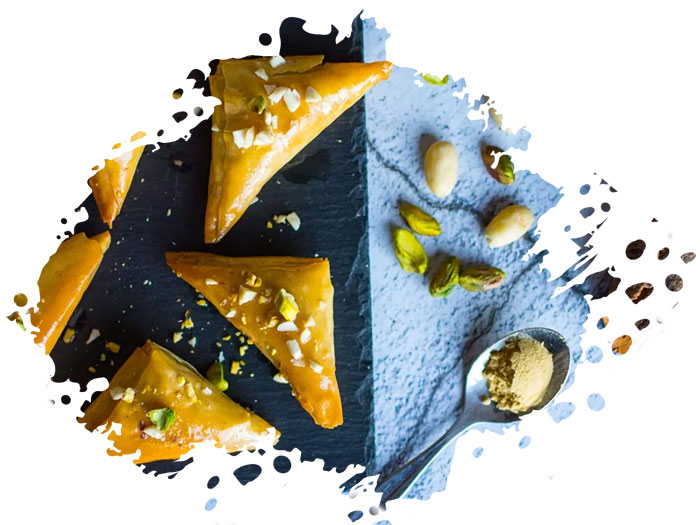
Briuat

8. Sphenje 

Sfenj, also spelled “sfendj,” is an oriental doughnut that can be compared to churros. This traditional Moroccan dessert can easily be bought and eaten in any city at market stalls and bazaars, which abound in the streets. Unlike the Algerian or Tunisian version, which uses a dough of semolina and flour, in Morocco it is made only with wheat flour to make it lighter. 

Depending on the region, Moroccan “churro” is also called “ftaire” or “ftaer” and is consumed throughout the day. Locals also like to eat these cookies as a mid-morning or mid-afternoon snack, washing them down with tea if they are dipped in icing sugar, or a spicy drink if they are spiced.  
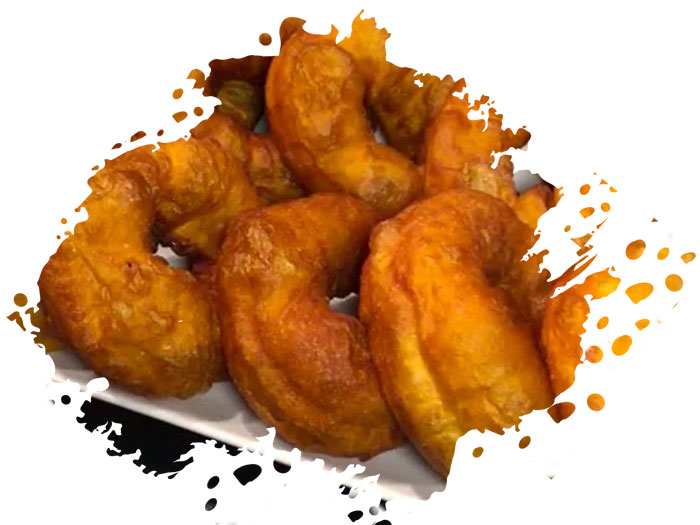
Moroccan Sefanj

9. Fekkas 

Fekkas is another Moroccan sweet that is served all year round at all oriental festivals. This little dry cake is very popular in Morocco because its ingredients are inexpensive and all walks of life can make it with love.  

It requires only eggs, sugar, flour and yeast. In the past, some families added fruits with honey and milk as additives to achieve a more pronounced flavor, while richer families added almonds, sultanas, dried fruit, ginger and anise.  

Fekkas,” which may be related to the “almond croquettes” known in southwestern France, are often served with mint tea or milk for children. This is one of the sweets called “Duaz Atai”. 
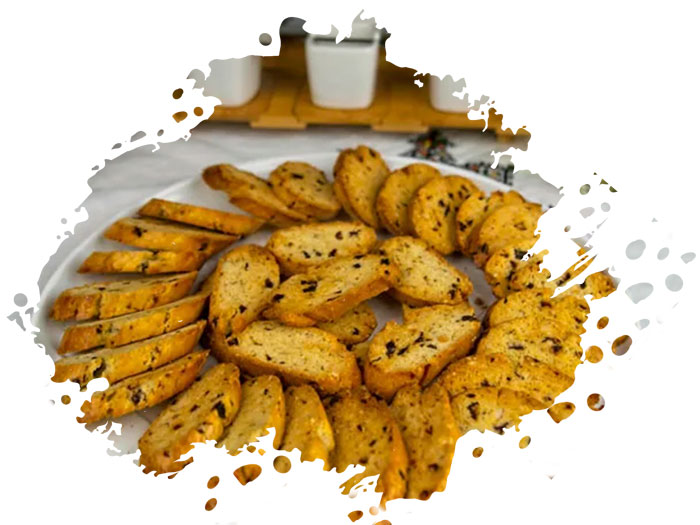
Fekkas Moroccan Sweets

10. Knafeh 

Knafeh is a traditional Moroccan dessert that is especially delicious because of its dual texture – crunchy on the outside and soft on the inside. This small triangle-shaped oriental dessert is characterized by its iconic orange color and threads of cheese.    

It’s made with Acavi cheese, kadafs (thin Turkish noodles) and melted butter, drizzled with rose water-flavored syrup. This syrup-sweetened Maghrebi dessert is one of the most irresistible because of the crunchy layer of pistachios, almonds and chopped walnuts sprinkled on top. Arabs like to make this pie on Ramadan nights to break the fast and gain strength to continue the holy month.  
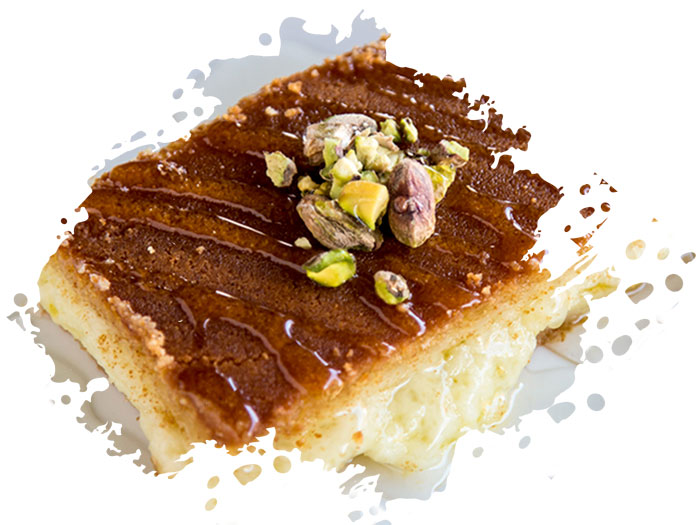
Moroccan Knafah

11. Mushrooms “Ghoriba 

The traditional Moroccan mushroom is also called “ghoriba. It is a popular paste made of almonds and coconut, flavored with orange blossom water and lemon zest. This typical Maghreb sweet may vary from region to region, but its original shape often resembles Italian macaroons or our traditional French macaroons.  

The Moroccan mushroom with almond slides differs in that it is decorated with almond slides in addition to its citrus flavor. It is a dry, soft dough that is very easy and quick to make. So, it can be dipped in mint tea on the breakfast table for Eid. 
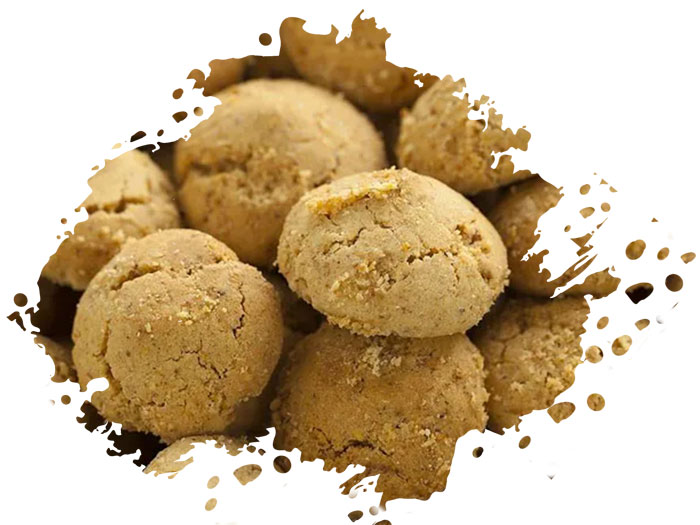
Mushrooms “Ghoriba” Moroccan Sweets

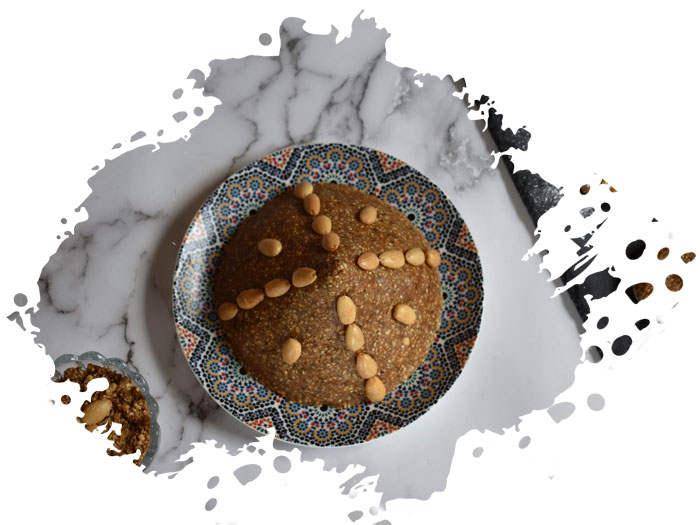
12. Sellew

Sellew or Sellou is one of the most typical desserts in Morocco. It is one of the most important dishes during Ramadan, as it is rich in nutrients, satisfies hunger and keeps the day going. On holidays, it is also prepared in small portions and accompanied by Moroccan tea. 

Sfouf, garnished with almonds or pine nuts, has a characteristic brown color and is made from toasted wheat flour and honey mixed with melted butter, sesame paste (tahini) and ground almonds. The dough is kneaded by hand so that the flour absorbs all the sweet liquids that give it its flavor and charming texture. At the table, this traditional Moroccan dessert is generously sprinkled with almonds, coconut and sugar. This is a dessert that is a must-try. 
Conclusion:

All these delicious Moroccan Sweets are desirable! But the only way you have to taste the traditional Moroccan flavor is by traveling there. So, why don’t you plan a visit to Morocco with us and let yourself fall in love with the Moroccan Traditional cuisine?

Best Moroccan Food: Popular Traditional Dishes 

Mejor comida marroquí: platos tradicionales populares 

One of the essential things that a traveler concerns with before tripping or traveling to different country is food. However, there are some countries that are famous with its recipes and delicious food; for instance, Italy. Also, Moroccan cuisine considered one of the top world cuisines. Tagine, Coscous, Tangia, Pastila these are some dishes that are specifying Morocco and originally made for first time in Morocco.     

Food in Morocco 

Moroccan cuisine is one of the richest and most varied in the world. There are several delicious dishes that will awaken our taste buds. Moroccan cuisine is not limited to couscous and tagine, which are some of the most popular dishes in the country, but there are other specialties that are a must try. 


Breads, soups, fish, meat, etc. – other typical Moroccan dishes. The confectionery sector is also highly developed in the country. We should not forget about the different kinds of drinks for which Morocco is famous. Tea has become a real institution, a ceremony not to be missed. 

Discover Sahara Desert

You can discover the desert of merzouga with our tours that start from a several cities

Some dishes and drinks you must try in Morocco 

When people talk about Moroccan cuisine, they never forget to mention couscous and tagine. Couscous is a famous semolina dish that is very famous and popular in Morocco. Tagine with fish or meat is a typical dish that is cooked in clay pots. The dish varies from region to region. In the center of the country, tajine is usually made with lamb. However, in coastal regions it is prepared with anchovies, sardines, or shrimp. 


If you visit the agricultural areas in the interior and the Atlas Mountains, you cannot miss Meshui. This is the famous roast lamb, typical of some Moroccan regions. 


Everywhere in Morocco you can try harira with tomatoes and bisara with beans. These are typical soups served in most restaurants. The famous harira is especially popular during Ramadan as it is eaten to break the fast. 


Various kinds of small quatrains are also found throughout the country: The most famous are briuats. These are small pancakes made of marshmallow leaves and filled with minced meat, brains, fish, sausage, and more. 


Peppermint tea is the emblem of Morocco. You can taste it in every restaurant and cafe in every Moroccan city. Wherever you stay, in a hotel or in a private home, the hosts will always offer you tea. It is even part of the country’s tradition. 


Besides mint tea, are there other alcoholic or non-alcoholic beverages sold in restaurants, supermarkets and specialty stores? Soft drinks and fruit juices are also popular in the country, even in the desert. 


When you buy an alcoholic drink in a store or supermarket, the bottle is always wrapped in paper and placed in a black plastic bag. During religious holidays, the liquor departments of supermarkets are reserved for foreigners with passports. Avoid buying alcohol for a young Moroccan, as it can lead to legal action. 

Discover The Imperial cities

With Prime morocco tours,You can discover the imperial cities and live some other experiences!

Where to eat and drink in Morocco  

Tourists are spoiled for choice when it comes to typical Moroccan food and drink. There are several places in Moroccan cities where you can order the dishes you want to try during your stay. 


– Fast Food: These restaurants, known for good value for money and fast service, are very popular among Moroccans, but also among foreigners. They all offer typical dishes and drinks as well as specialties from other countries to attract more customers. These places are very popular with travelers strolling through the city. You can freshen up a bit before continuing your visit. 


For example, in the evening, the Djema el-Fnaa square in Marrakech is full of stalls selling typical Moroccan food and drinks. This esplanade is one of the main tourist attractions of the red city.  


– Popular Restaurants: Very popular among Moroccans, these restaurants are ideal for enjoying the local atmosphere and interacting with locals. Fried fish or fish cocktails are most common, especially in coastal regions. 


In the center of the country, popular restaurants often offer meat skewers or lamb tajin. Harira and bisara soups are always available. For dessert, fruit juices, dates, or mint tea are available. 

Upscale restaurants: these establishments cater mainly to national and foreign tourists. The price is higher, but the facilities are really well decorated and furnished, and the service is very satisfactory. They are usually located in luxury hotels or in tourist areas. The upscale restaurants offer all kinds of dishes: Moroccan or Western. Asian restaurants can also be found in the main tourist resorts of Morocco. Most of these luxury establishments have a lounge bar where you can refresh and relax with your favorite drinks. 


– Cafes: These are small establishments where you can have coffee or tea along with savory snacks such as sandwiches, brioches, pies….. Moroccans love cafes, and you can often find them on every street corner. You can also stop by there before you start your discovery day. 

Food-in-morocco
Food-in-morocco
Why Start Your Morocco Tour From Casablanca?

¿Por qué comenzar su viaje a Marruecos desde Casablanca?

Discover Morocco through an itinerary tour from Casablanca

Casablanca is the first city that comes to many people’s minds when you mention Morocco. Spanish for the White House, Casablanca is the biggest Moroccan city and the pumping heart of the Moroccan economy. Since Casablanca is the first economic center in Africa, it’s one of the most cosmopolitan cities on the continent, making it very tourist-friendly. 


Starting your Morocco tour from Casablanca will allow you to get to know Morocco from a whole different perspective. As opposed to other popular Moroccan cities like Marrakech and Fez, Casablanca is a coastal city with some decent beaches, which is also a plus if you’re into sunbathing on a beach. 


So, let’s find out why you should start your Morocco journey from Casablanca, known among the locals as “Casa”.

Tours from Casablanca

Tours and trips that starts from Casablanca to the desert and several cities

First, let’s Find Out More About Casablanca!

There’s a lot to know about Casablanca if you’re interested in the city. Casa has been one of the key locations for some of the most important events in history. And aside from its delightful weather, Casablanca is a lively city. While it might be too loud for your taste, it’s part of the aesthetic of Casablanca. 
Let’s find out more about the city, starting with history. 

History of Casablanca

The history of Casablanca is divided into three stages for the sake of convenience.

Stage I

The area we know now as Casablanca is believed to be inhabited ever since the 7th century BC. The original settlers were the Amazighs. In the old times, the coasts of Casablanca were a remarkable port for the Phoenicians and later the Romans. 
Leo Africanus (an Andalusian Diplomat and Geographer from the 15th century AD) describes the city of Anfa (the old name for Casa) as the most prosperous city on the Atlantic coasts, thanks to its fertile lands. 
Casablanca (Anfa back then) was a major settlement of the old Berber Independent state of Barghawata, which rose along with many other Berber states against the Ummayad Caliphate in the 8th century AD. 
Casablanca remained part of the Barghawata state until the Almoravid Dynasty conquered it in the 12th century AD, adding it to the Moroccan empire, which used to include Southern Spain (Andalusia) and Portugal. The Arabs mixed with the Amazighs during these times, making Casablanca one of the first areas in Morocco where the Moroccan Dialect developed, which is essentially a bastard language developed from mixing Arabic and Tamazight. 

Stage II 

In the 14th century, Anfa was one of the main ports of the Atlantic before a major revolt against the ruling dynasty (the Mirinids) that resulted in the port becoming a hub for outlaws and pirates. The Portuguese saw an opportunity in the chaos, which lead them to seize the port, destroying everything, and rebuilding it to their advantage. That’s when Casablanca got its contemporary name; the Portuguese built a white military fortress in the location that they named Casa Branca, i.e., the white house. 
After an earthquake destroyed the European settlements in the 18th century, Sultan Mohammed ben Abdallah (1756–1790) rebuilt the city, keeping its Portuguese name. In Arabic, it’s spelled ad-Dār al-Bayḍāʼ (الدار البيضاء), which is a direct translation to the Spanish name casa blanca. The city grew to be a strong port again with the support Spaniards. 

Stage III

By the end of the 19th century, Casablanca was one of the main trade centers between the Muslim world and Europe, with tea being transported from Britain, making its first introduction to Moroccan culture back in those times. 
By the dawn of the new century (20th century) the colonial eandevours of France succeeded in subjugating the city under their infleunce. 
Casablanca also played a major role in WWII for holding the famous Anfa Conferance where U.K. Prime Minister Winston Churchill and U.S. President Franklin D. Roosevelt, along with other Allies generals discussed the progress of the war. 
In 1956 AD, Morocco regained its full independence, which made Casablanca go through many changes that led to where the city is today: one of the most important economic and cosmopolitan hubs of Africa. 

Geography of Casablanca

As mentioned before, Casablanca is located in Western Morocco on the coast of the Atlantic. Casablanca has some of the most fertile lands in Morocco, making agriculture a big thing in the region. 
Casablanca is home to more than 3 million people, and it covers an area of 220 km2 (80 sq mi). The industry sector is also a big thing in Casablanca, with most of Morocco’s industry being there. 

The climate of Casablanca

The climate of Casablanca is considered a hot-summer Mediterranean climate. Casablanca gets its cool breezes from the Canary currents of the Atlantic. A lot of Americans find the climate of Casablanca very similar to Los Angles. Casablanca is mostly sunny the whole year with an average of 72 days of rain.  
Starting your Morocco tour from Casablanca will prepare you for the climate in Morocco, which tends to be really hot in the non-costal cities. 

Culture of Casablanca

As you can deduce from the history of Casablanca, it’s a culturally diverse city. While it’s a cosmopolitan city, Islam is still the most dominant religion in Casa. You can tell that by looking at Hassan II mosque, which is one of the most culturally significant buildings in Morocco. 
Casablanca is a busy city that’s hard to keep up with. People from all sorts of life inhabit the city. And there’s a huge range of diversity when it comes to social and economic status. Casa can be very luxurious at times, but it can also be very down-to-earth and even seem poor in many places. 
Casa is also known for its rich art scene; it’s one of the best places to explore contemporary Moroccan art if that’s your thing. There are plenty of galleries, cultural centers, music shows, movies, and museums to explore in Casablanca before you head to other spots in Morocco. 

People of Casablanca

People from all walks of life inhabit Casablanca. People from all over the world live in Casa. Aside from the significant community of Sub-Saharan Africans who live in Casa, there’s a Jewish community, a Christian community, a Chinese community, and any type of community you can think of in Casablanca.

Festivals in Casablanca

If you’re lucky enough to have time to schedule your tour from Casablanca during a local festivity, you’ll be able to experience a different face of the city. 
Some of the most important occasions for people in Casablanca are Muslim holidays like the month of Ramadan and the Eid Adha holiday (the holiday of sacrifice). 
Other cultural festivals include: 

Discover Sahara Desert

You can discover the desert of merzouga with our tours that start from a several cities

Why Are Tours From Casablanca More Convenient?

While Morocco isn’t exactly the biggest country, making moving around not a big challenge, starting your tour from Casablanca is a good move if you want to visit everything. It’s also a fun city that would allow you to familiarize yourself with Morocco.  

Casablanca Is Situated Strategically

Casablanca is situated in the middle of all the interesting parts of Morocco. Casa is located on the western coast of Morocco in a strategic spot. Traveling from Casablanca to all the imperial cities and other important tourist attractions in northern and southern Morocco is a matter of a few hours. 


  • You can travel from Casablanca to Marrakech in 3 hours.
  • Casa to Rabat is a 1-hour journey. 
  • Casa to Meknes and Fez is a 2/3-hour journey. 
  • Casa to Tangier is a 3-hour journey. 
  • And Casa to Essaouira is a 4-hour journey. 

Morocco-Tour-From-Casablanca

You Can Find All Kinds of Transportation from Casablanca

Since the distance from Casablanca to all the major attractions in Morocco isn’t too far, you can travel in a car or by public transportation. The trains in Morocco are actually quite decent. There’s also the Al Boraq, which is the fastest train in Africa that can take you from casa to Marrakech in 3 hours. 


As for the Sahara region, which is a little bit far away from Casablanca, you can take a plane if you’re in a hurry to go there. A plane will take you from the International Casablanca Airport of Casablanca to Moulay Ali Cherif Airport in Errachidia in 1 hour. The trip usually takes a whole day. 


Regarding transportation for your tour from Casablanca, the best choice is to take a long-distance taxi if you don’t like buses or trains. 


Alternatively, you can travel privately with a professional touring agency. 

Tourists underrate Casablanca 

Starting your tour from Casablanca is very convenient because it’s a city that you shouldn’t miss exploring. Most people land at the Casablanca International airport only to leave the city without exploring it. Casablanca is often overlooked at the expense of more exotic Moroccan cities such as Marrakech, Fez, and Essaouira. 

Discover The Imperial cities

With Prime morocco tours,You can discover the imperial cities and live some other experiences!

Best Things to Do in Casablanca

Before you head to other exotic spots in Morocco, your tour from Casablanca should include at least a couple of fun activities. There’s plenty to go around when it comes to the best things to do in Casablanca. 


The list below includes some of the most iconic activities that you can do in Casablanca:

Explore Hassan II Mosque

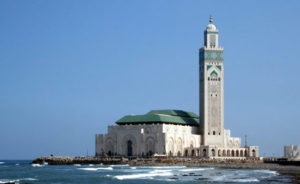
Hassan II Mosque is the most iconic landmark of Casablanca. The first thing that you see whenever you type Casablanca on Google or YouTube is the soaring minaret of Hassan II mosque, which used to be the tallest minaret in the world before the Algerians decided to build the tallest one in 2019 out of spite. Or at least this is what many Moroccans believe. 


Hassan II Mosque is one of the very few mosques that allow non-Muslim visitors to enter it. Hassan II Mosque is your go-to if you want to see some magnificent architecture and mesmerizing (almost psychedelic) internal decoration. 


While it’s still relatively young, Hassan II Mosque holds a special spot in the hearts of Moroccans. When it was under construction in the late 80s, Moroccans from all over the Kingdom contributed their money to this building. People who worked on this project include French architects and some of the best artisans in the Kingdom. 


Located on the edge of the coast, Hassan II Mosque has the whole Atlantic as its background. The whole complex looks amazing with its fountains and arches, which is why cameras are constantly taking pictures there. 


When it’s Friday or a religious holiday, the mosque can hold up to 105,000 worshippers, making it one of the largest religious buildings in the entire world. 

Sunbathe on the Beach

Casablanca’s beaches are often sunny and pleasant to visit. If you don’t like the beaches within the city itself, there are plenty of nearby beaches that will fascinate you. 


If you travel to Mohamadia or El Jadida, you’ll be surprised by their great coasts. The beaches of Mohamadia are very popular among the locals for their golden sands and clean water. 


As for El Jadida, its ramparts are more of a highlight than the beaches. The ramparts of El Jadida mark an era of the Portuguese empire. The iconic cannons all over give a unique aesthetic to the place.  


Visit Rick’s Café

Cinephiles will appreciate this one like gold. If you’re into the cult classic 1942 movie Casablanca, then you’ll really want to have a drink at Rick’s Café and listen to some live piano music. 


The story of Rick’s Café is very peculiar because the movie was never shot in Casablanca. It’s actually a Hollywood movie. But that didn’t stop the American Kathy Kriger from recreating a faithful copy of the café in its supposedly original city. 


Rick’s café features a great menu and live music shows, making it a great spot to visit even if you didn’t watch the movie and have no associations with the place. 

Explore the Judeo-Christian Side of Casablanca

Whether it’s the great Cathedral of Sacré-Coeur or the Jewish Temple Beth El, Judeo-Christian culture also has a significant trace in Casablanca. 


The Roman Catholic church used to have its influence go as far as Casablanca in the old days. As for during the period of colonialism, nearly half of the population of Casablanca used to be European Christians, which explains why there many traces of Christianity in Casa. 


As for Judaism, Jewish history in Casablanca goes way back to the pre-Christian era. Nearly 500,000 Jews used to live in Morocco before Israel was founded. The Museum of Moroccan Judaism in Casablanca holds many secrets about the history of the Jewish people in Morocco, who used to be a vital community in the whole Kingdom. 

Have Fun in the Nightclubs and Lounges

If you’re not into all that history and culture stuff, and all you want to do is to party like it’s 1969, Casablanca is your hotspot. All of the amazing clubs in the Corniche of Ain Diab should provide all the fun you need. If you’re more into the quiet mood, you can try the lounges. 


The nightlife of Casablanca is super vibrant! It should provide the perfect opportunity for you to make new friends in Morocco. You’ll find many young people there who have “party” as their middle name. You can also get access to some of the things we shouldn’t be talking about if you have the right connections. 

Explore the Museums 

If you’re into museums, you’ll be delighted to explore the ones in Casablanca, especially if you’re into Art Deco, which we’ll return to later. 


Some of the most notable museums in Casa include: 

Admire the Art Deco Buildings

Downtown Casablanca boasts many unique architectures that return to the Art Deco style, which was developed in the West in the first half of the 20th century. Many Art Deco buildings in Casablanca were built during the French occupation. 


If you admire the art style of modernity, you’ll appreciate the Art Deco aesthetic of Casablanca. 

Visit the Old Town (Medina)

The Old Town of Casablanca, known locally as the medina, is the perfect place to get a very close look at the more traditional and less luxurious part of Morocco. You’ll find common Moroccans dwelling in the market. 

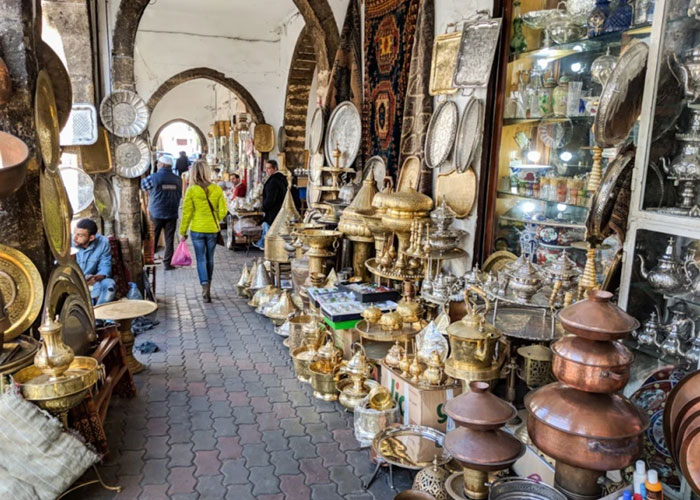
The medina is also where you want to go if you want to do some traditional shopping in Casablanca. 

 When you start your tour from Casablanca, that allow you to explore this great city ever. 

Las 5 actividades que debes hacer en el desierto marroquí.

What Are the Best Tours from Casablanca?

In your search for the best tours from Casablanca, you’ll encounter many travel agencies presenting their itineraries that start from there. Almost all of the tours share commonalities, like visiting the imperial cities, the historical coastal cities, and most importantly, the Sahara Desert. 


Here are some of the best tours from Casablanca that you’ll find out there:

8-Day Casablanca Tour Via Beni Mellal 

The special thing about this tour from Casablanca is that it doesn’t go to the Sahara Desert. Instead of taking the route from Casablanca to Fez before heading to Marrakech through the Sahara Desert, this tour takes a more straightforward route through the city of Beni Mellal. 

Este 8-day Casablanca tour usually leaves Casablanca and takes you to the capital city Rabat, before heading to Fez and Meknes. After exploring the three imperial cities, the tour heads to Khenifra and Beni Mellal, which are often overlooked by many tourists. The region of Beni Mellal-Khenifra offers a wonderful opportunity to explore this part of the Moroccan landscape that’s different from the desert region quite significantly. 

The tour also allows you to visit Ouzoud Waterfall, arguably the most beautiful waterfall in North Africa.  

11-Day Tour From Casablanca to the Imperial Cities

The 11-day tours from Casablanca have an extra day dedicated to the Blue City Chefchaouen, one of the most iconic Moroccan cities, with its blue-washed buildings and chill vibes.


The tour includes staying in the Sahara Desert dunes of Merzouga for a couple of days, which is an incredible experience by all means. You’ll be able to camp in the middle of Erg Chebbi dunes and enjoy a vibrant night of partying to the beats of the Sahara. 


In addition to that, the tour also includes visiting some very cool spots like Ait Benhaddou Kasbah, a massive complex of old buildings that you might recognize from Game of Thrones, and many phantasy and historical movies from the 2000s like Gladiator and the Scorpion King. 


The tour concludes after visiting the coastal city Essaouira. Essaouira is also another iconic spot for people who love Game of Thrones; it’s known as Port city of Astapor, which is part of Slaver’s Bay. 


14-Day Desert Tour from Casablanca 

The 14-day grand Desert tour from Casablanca is a great opportunity to spend more time exploring each spot without a big hurry. 


Aside from all the attractions mentioned above, the tour also includes a visit to the coastal city, Agadir. Agadir is one of the sunniest cities on the planet, with amazing beaches and a nightlife similar to Casablanca. 


The tour also includes visiting the Argan Oil cooperations, which is a great opportunity to get authentic argan products from their source. 


Also, the 14-day tour gives a lot of time to explore the Red City, Marrakech, the number one tourist attraction in Morocco. Marrakech is also one of the perfect cities to start your Morocco tour from. 

We hope our article about Casablanca has shed some light on this fantastic city for you. If you want to explore Morocco, starting your tour from Casablanca will give you a great journey from North to South. Casablanca is an amazing city to start your tour from, and it’s also a great city to explore. It would be a shame if you left Casablanca without having a little bit of fun in the city. 


If you want to make a reservation with Prime Morocco Tours, make sure to contact us. Together we can create a tailor-made tour specifically for you in which you can explore all the parts of Morocco that interest you the most. 


And check out our blog for more information about Morocco. 

Morocco-Tour-From-CasablancaMorocco-Tour-From-CasablancaMorocco-Tour-From-Casablanca

Best Morocco travel guide

La mejor guía de viajes de Marruecos

Morocco travel guide, Your source to know Morocco  

This Morocco travel guide is meant to help you know more about this country, in case you’re interested in paying a visit to this AWESOME place, or just out of curiosity; perhaps you want to include it on your travel list. This travel guide will give to the reader a general idea about Morocco. A a detailed description however, might need a book, or an actual visit, which is highly recommended in this case. But it’s safe to say that this is a good starting point.

The theme of Morocco is diversity! It’s a country that is essentially diverse in terms of everything that ranges from what is nature related to what is human related. By that we mean history, geography, people and culture.

Morocco recognizes what a treasure it has. That’s why both the public sector and the private one focus a lot on enhancing their tourism services and protection. Marruecos is a real tourist attraction. No wonder why it hosted 11 million tourists in the year 2011.

Another reason that makes Morocco very appealing to the visitors is that it’s very affordable. Someone who has a tight budget won’t find a problem in Morocco.

Please enjoy our Morocco travel guide.

Get your itinerary tour with Prime Morocco tours and live an unforgettable travel to Morocco. (Ver all our travel tours.

Tours from Fes

Tours and trips that starts from fes to the desert and other several cities.

A brief summary of the Moroccan history

Morocco is very interesting in the human history because the oldest archeological trace of Homo sapiens (humans essentially) has been found in Morocco it dates back more than 300,000 years ago. However, the most notable civilization that set foot in Morocco are the Phoenicians, they used to consider the Moroccan lands, such places like Lexus and Mogador(known today as Essaouira) as trading centers during the sixth century. The Berbers established their first kingdom there called the Berber Kingdom of Mauritania. The Roman empire used to have power over the Moroccan land during the same era. Volubilis is the remains of an ancient roman city  in Morocco that you can visit while you’re here. The Islamic era of Morocco started in the seventh century onwards. First established by the Umayad Khalifat, and then as an independent kingdom that was established by the first King Idriss the first who was the founder of the Idrissid dynasty. Throughout the years, many other dynasties have been ruling Morocco, the current one is the Alaouit dynasty. Big cities such as Fez, Marrakech and Rabat all have monuments that represent each of the old ruling dynasties. The modern era starting from the 19th century has shown European interest in Morocco. Spain and France colonized Morocco during this era. Both of them have left a huge influence on the Moroccan culture as we know it now.

Morocco travel guide, your itinerary to know the great Morocco.

The geography of Morocco

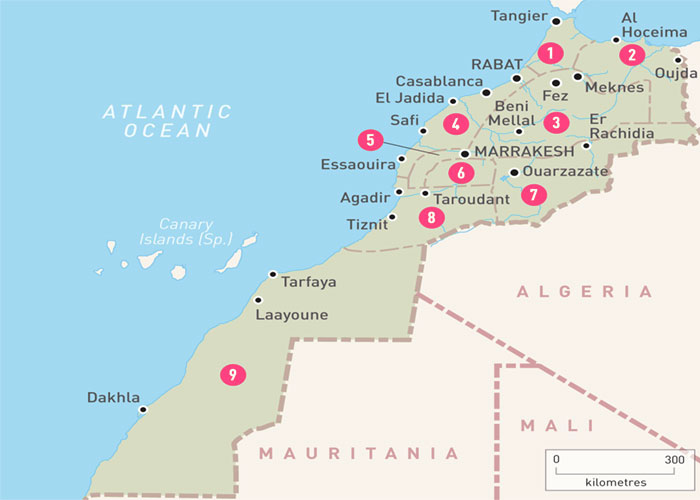
First, Morocco is situated in the north western edge of Africa. The Mediterranean sea borders it from the north with Spain being only 14 kilometers from the closest point, Algeria from the east, Mauritania from the south and the Atlantic ocean from the west. The northern part has mountains, coasts and beaches. The western part has fertile lands, the middle parts are home to the Atlas mountains, and as you go south you enter the desert. A single trip from north to south that starts from Fez as an example and finishes in Marrakech will visit mountains, valleys, flatlands, desert and mountains again. Make sure to take with you cloths that match each region’s weather.

The Moroccan biological landscape is also very diverse. Each region has its own environmental particularities including all sorts of wild life. A list of these would require an article on its own.

Morocco travel guide with Prime Morocco Tours.

Morocco-travel-guide

The cultural diversity of Morocco.

Morocco has a wide cultural diversity. As you can deduce from its history, a quick look at the history will tell you that Amazighs, Romans, Arabs and Europeans and many other civilizations have all left their cultural footprints in Morocco. These cultural aspects can take the form of traditions, clothes, food and many others…while you’re in Morocco, expect that you’d encounter many culture depending on where you are at a certain time.

Morocco travel guide will allow you to know almost everything about Morocco and all the information you must know while you’re there.

The Moroccan people

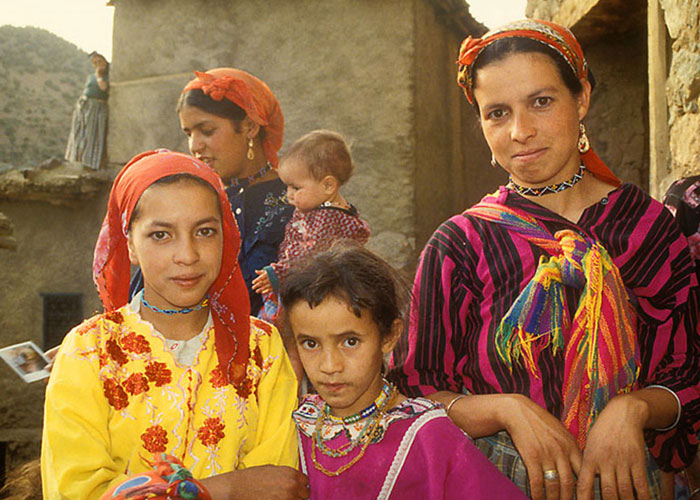
Moroccans are very interesting folks. Most of them are a mixture of Arabs and Berbers, 99%. The majority are Suni Muslims and a big chunk says they’re only Muslim. All of them however are very liberal and are not religious fanatics. The situation in Morocco is generally very liberal. It is safe to say that the impact of such diverse cultural influences have made this country very open-minded.

Know the Moroccan people throughout Morocco travel guide.

Visit Bab Mansor  

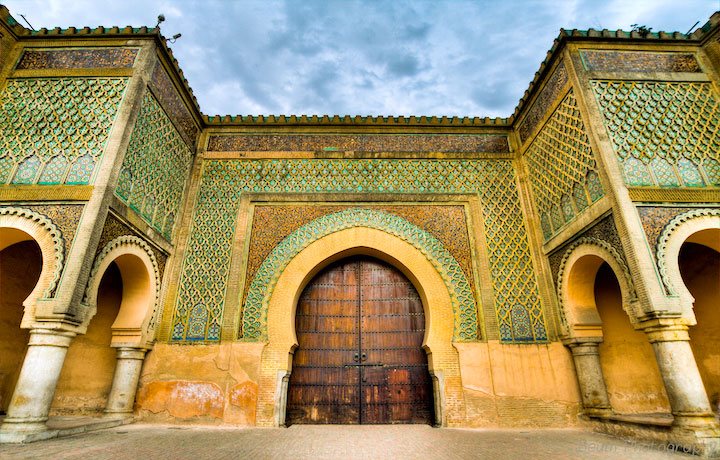
The Bab el-Mansur Gate is the last gate built in the city of Meknes in 1732 by the order of Moulay Ismail. It was built by an architect who was a Christian before adopting Islam. This gate, considered one of the most beautiful in the world, bears the name of the victorious apostate or Mansur Laalej. Moulay Ismail wanted his city to be compared to Versailles because he was a fan of Louis XIV, so he wanted the entrance gate of Meknes to be grand. This is the case with the Bab el-Mansour Gate, which reaches a height of 16 meters (the arch alone is 8 meters above the ground). Inside the gate is a rectangular hall, also called Bab el-Mansour Hall. This room is now an art gallery where you can admire the works of local artists. This room is quite large – 6 x 17 meters. The decor of this door is very similar to that of Moroccan arts and crafts: especially striking is the frieze of calligraphy stretching across the top of the door. You can also see materials that are widely used in Moroccan architecture, such as mosaics. 

Morocco-guide-tour

Discover Sahara Desert

You can discover the desert of merzouga with our tours that start from a several cities

 Safety in Morocco

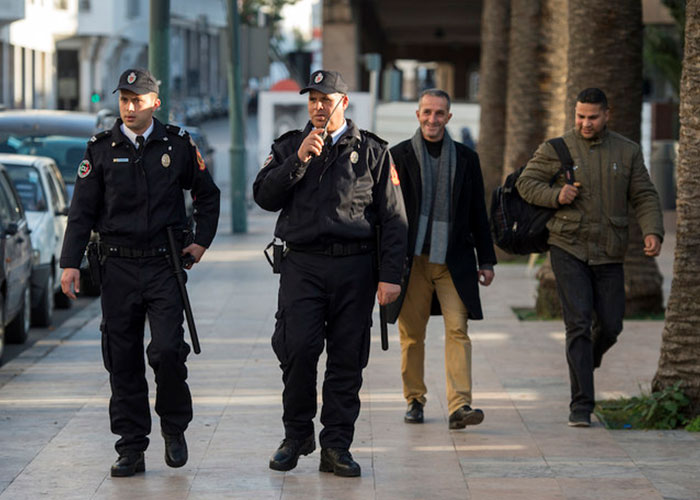
Some few fanatics commit crimes now and then, but that is the case all over the world and statistics show that Morocco is one of the safest places on Earth in terms of terrorism incidents. There is also a significant number of police agents who are only dedicated to keep touristic places very safe. Moroccans are generally very kind and friendly to foreigners.

Did you know that Morocco is safe country before this Morocco travel guide article. 

A travel guide of costs in Morocco

If you’re not a heavy spender, a day in Morocco won’t cost you more than 50 USD, which is approximately 500 MAD (Dirham). A mid range budget of 1,200 MAD will allow you to spend it on things like eating at good restaurants and taking private tours. However, if you can afford 3,500 MAD or more you will be surprised what you can do.

Make sure to take change with you everywhere you go, you will need that a lot.

Morocco travel guide is helpful before each new travel.

Morocco-travel-guide

The best time to visit Morocco

The best time to visit Morocco arguably is from, either from April to May or from September to November. The weather is really nice, which is good for activities like mountain hiking.

Winter time might not be the best time to visit Morocco. However, if you’re a fan of snowboarding or skiing that’s a good time to visit Morocco.

The summers tend to be really hot in the middle of the country, cities like Fez, Meknes and Marrakech are really hot. However it might be a perfect time to visit the coasts of the Moroccan North, or cities like Casablanca, Essaouira and Agadir.

Follow our Morocco travel guide to know Morocco before you come there. 

Visit Volubilis 

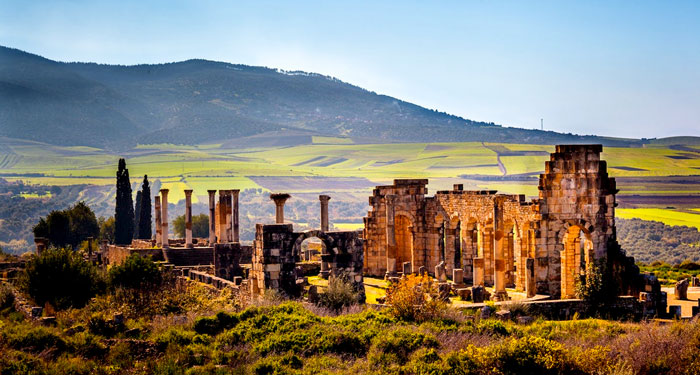
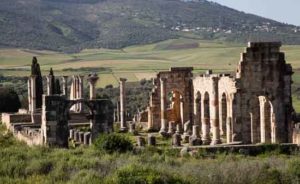
Volubilis is an ancient city in Morocco, located about twenty kilometers from the city of Meknes. The name Volubilis comes from the fact that the plant of the same name grows here. However, the Berber name of the city is different: it should have been called Walila or Oualili. The city of Volubilis developed in different eras; it was founded as early as the Neolithic period. Volubilis was a trading town where olive oil was produced. 

Presses were found to assist the population in this production. Volubilis has been a UNESCO World Heritage Site since 1997. 

Volubilis belongs to the Neolithic period, but only a few inscriptions from this period have been found. However, four inscriptions belonging to the Punic and Neopunic periods have been deciphered, indicating the presence of a necropolis at this site. Suffeti (the first magistrates of Carthage) are also mentioned, indicating that there was already a hierarchy of institutions. Other sites show evidence of Punic-Mauritanian civilization, especially religious buildings and tombs. Doric coins have also been found. 

Morocco-guide-tour

Discover The Valleys of morocco

With Prime morocco tours,You can discover the Valleys and the panoramic views of gorges

Morocco travel guide to the must-visits of Morocco

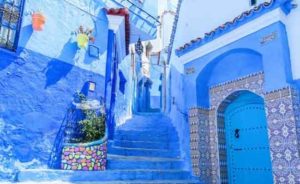
Starting from the north you must visit Tangier, this city is considered an international city for many reasons, one is being the portal of Africa to Europe and vise versa. Chefchaouen is also a place in the Moroccan North that you must not miss. It’s a whole city painted in blue.

Going south there is Fez, the oldest Moroccan capital. Fez is a city that has a reputation of science and knowledge because it’s the home of the oldest university in history. Near fez there are the remains of an ancient Roman city. it’s called Volubilis. Not far away from Volubilis there’s another ancient Moroccan city, which was also a capital once. It’s Meknes, and it has some cool monuments. This region has also some cool towns near the Atlas Mountains such as Azerou and Ifran, where there are cedar forests.

Going west there’s Casablanca a city that needs no introduction. It’s the biggest Moroccan a city and the most important economically. One could say Casablanca is the heart of Morocco.

morocco tours Morocco private tours

And there’s the capital Rabat, A truly beautiful and sophisticated city. There are here some very beautiful historical locations.

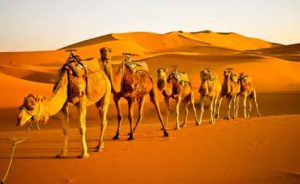
Going south there’s Merzouga, A true desert city. Imagine dunes, camels, tents, clear night sky, desert traditional drum music and a comfy bed along with bars and parties all over. This is the kind of fun you can have in Merzouga.

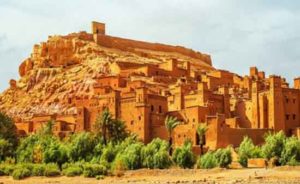
Farther south you can find the biggest film studio in the world. Ouarzazat and Ait Benhaddo are places you can recognize from Game of Thrones and movies such as Gladiator, KIngdom of Heaven, Lawrence of Arabia…

After visiting such places Marrakech is a good stop. In fact most of the tourists who visit Morocco visit Marrakech. It’s simply the best stop in Morocco according to the majority of visitors.

Essaouira is also a must-visit, especially if you’re a person who has a strong passion towards arts.

morocco tours

we would very much suggest that you travel with a private tour agency. These agencies organize tours that visit a selection of the best stops including the ones we mentioned here and many others like some cool waterfalls, valleys and gorges.

Discover The Valleys of morocco

With Prime morocco tours,You can discover the Valleys and the panoramic views of gorges

Morocco’s impressive beaches 

Those who spend their vacations in Greece, the Maldives or Bali should not be jealous, because Moroccan nature offers beautiful scenery just a few kilometers from home. From the south to the north of Morocco, the beauty of the beaches of the Atlantic and the Mediterranean Sea will make for a pleasant summer. 

Legzira, Sidi Ifni. 

This wild Moroccan beach, 150 km from Agadir and 10 km from Sidi Ifni, famous for its red arches carved into the rocks, remains a popular destination for surfers and lovers of beautiful beaches and fried fish. 

Sidi Kouaki – Essaouira 

Located 25 km from Essaouira (Windy City), next to the Thuya forest, this beach, known for its strong winds and big waves, offers a holiday full of adventure: sunbathing, surfing, kitesurfing, horses and dromedaries. In addition to the beauty of this area, which has preserved its wild appearance, you will find a variety of activities here. 

Ualidia 

Located 158km from Casablanca and 212km from Marrakech, this beach is popular with lovers of oysters and fresh fish from an old fishing village. Ideal for residents of Casablanca, Marrakech and El Jadida who want to spend a relaxing weekend without having to travel far. 

Quemado Beach, Al Hoceima 

This 9,000 square meter beach at the foot of the Quemado cliff was voted the seventh most beautiful beach in the world for its turquoise waters and fine white sand. In summer this beach is the perfect place to enjoy the beauty of the sea and especially the beauty of the underwater world. 

Dragon Island, Dakhla 

In the middle of Dakhla Bay, this wild beach, shaped like an abandoned dragon and full of shells, offers you the best of nature. Warm waters, clay baths and golden sunshine: there’s nothing like a catamaran ride to discover all the hidden treasures of this island. 

Oued Laou, Assilah, Nador, Taghazout or Sidi Bou Selham are all nice spots for a budget summer in Morocco. Pack your bags! 

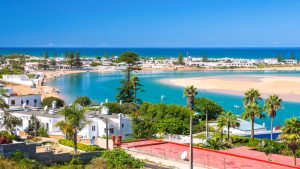
Essaouira-beacheElhousima-beachUlidia-beach

Morocco Breathtaking Landscapes  

Morocco has a rich, varied and wild nature. Drive just a few kilometers to discover all these wonders: the sea, the dunes, the desert, the oases and the mountains. Here are five of the most beautiful natural sites you can visit in Morocco. 


The High Atlas Mountains. 

The High Atlas is a Moroccan mountain range of great beauty. The Toubkal Massif, for example, offers great hiking. Climbing Mount Toubkal is a hike that begins in Imlil and leads to the summit. Between the cacti, agaves, and cliffs, the scenery of the High Atlas is magnificent. 


The gorges of the Todga Valley 

The gorges of Todga Valley are breathtaking, for me it is one of the most unusual landscapes in Morocco. The rock has a golden, orange color and glows even during the day, the sight is unstoppable. Palm trees in some places, vegetation on the walls: the place is magical and gives the impression that you have gone to the edge of the world. 


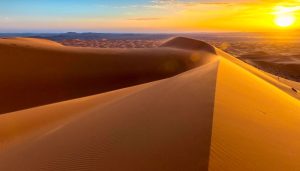
Merzouga Dunes 

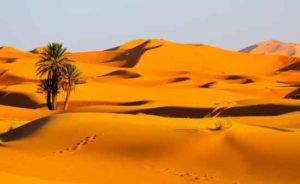
Erg Chebbi near Merzouga is an area with many dunes. The dunes of Merzouga are spectacular and if you are lucky enough to bivouac there, you will discover their treasures. At sunset, the spectacle changes and becomes even more magical: don’t forget to bring your camera so you can see the spectacle with two eyes. 


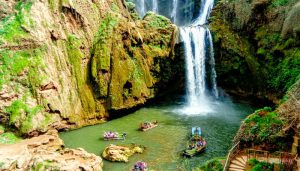
Uzud Falls 

Uzud waterfalls are very high waterfalls with a height of about 110 meters. They flow on three levels and their spectacle will not leave you indifferent. The orange rock, surrounding vegetation and water form a beautiful backdrop. A must-visit place to discover the powerful and diverse nature. 


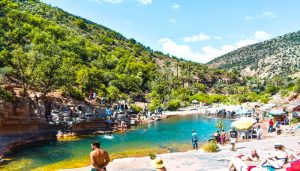
Paradise Valley 

From Agadir, turn onto the road that leads to Paradise Valley. This inconspicuous oasis of tranquility is located in the middle of a magnificent forest. You’ll have to walk a bit to get there, but the reward will be at the end of the road: green terrain and beautiful blue water in the middle. Guided walks will allow you to discover this place and its surroundings. 

Waterfullsparadisedesert-dunes

We hope that Morocco travel guide was useful and informing. Leave us a comment bellow. We would like to know your opinions.

And if you need any help, please feel free to contáctenos.

That’s Why you should visit Fez: Best of Fes

That’s Why you should visit Fez: Best of Fes

The main reasons why you should visit Fez

When people dream of Morocco, images of vibrant souks, intricate tilework, and ancient medinas often come to mind. Nowhere are these visions more alive than in Fez, the country’s cultural and spiritual heart. Unlike the modern glitz of Casablanca or the tourist-favorite Marrakech, Fez offers a raw, authentic Moroccan experience untouched by time. This UNESCO World Heritage city is not just a destination; it’s a journey back through centuries of tradition, craftsmanship, and intellectual legacy.

Fez invites you to get lost in the world’s largest car-free urban area, where donkey carts still navigate narrow alleys, and the scent of leather from ancient tanneries fills the air. Whether you’re a history buff, an architecture lover, a foodie, or simply a curious traveler, Fez will enchant you with its hidden gems and unmatched heritage. Keep reading to uncover the top reasons why this timeless city deserves a spot on your Moroccan travel itinerary.

Know the history of Fez by visiting

Fez isn’t just one of Morocco’s most enchanting cities — it’s also one of the oldest and most historically significant. Founded in the late 8th century by Idris I, a descendant of the Prophet Muhammad and the founder of the Idrisid dynasty, Fez quickly rose to prominence as the first Islamic capital of Morocco. This sacred lineage helped establish Fez as a center of religion, governance, and culture from its earliest days.

In the 9th century, the city experienced a transformative wave of migration when families exiled from Andalusia found refuge in Fez. They brought with them a vibrant cultural heritage — from distinctive musical styles and elegant clothing traditions to refined craftsmanship and architecture. One of the most enduring legacies of this era is the founding of the University of Al Quaraouiyine by Fatima al-Fihri in 859 CE — widely recognized as the oldest continuously operating degree-granting university in the world. Fatima’s contribution marks a milestone in the history of global education and highlights the pivotal role women played in Islamic intellectual life.

Over time, Fez witnessed several changes in power. It was seized by both the Caliphate of Córdoba and the Fatimid Caliphate, each of which left its mark on the city’s evolving identity. By the 11th century, Fez had deteriorated, but its fortunes were revived during the Almoravid dynasty, which reinvigorated trade and scholarship, though the capital had shifted to Marrakech.

The Almohads, who succeeded the Almoravids, further fortified the city during the 12th century, building the defensive walls that still surround Fez el-Bali (Old Fez) today. This era also saw the expansion of Fez into one of the largest and most thriving cities in the world.

Fez reached its Golden Age under the Marinid dynasty in the 13th and 14th centuries. Not only did it regain its status as Morocco’s capital, but it also became a flourishing hub of religious scholarship, architecture, and the arts. It was during this time that the Jewish quarter, known as Fez el-Jdid, was established — a district that continues to attract visitors with its rich Sephardic heritage and vibrant culture.

In the 20th century, under French colonial rule, Fez expanded with the creation of La Nouvelle Ville (New Town). This modern area contrasts sharply with the historic medina, showcasing wide boulevards, French architecture, and European-style cafés — a testament to the colonial influence that helped shape the city’s modern identity.

From its spiritual foundations and Andalusian influence to its scholarly legacy and colonial evolution, Fez is a city layered with stories. Each era has left a lasting imprint, making Fez not just a place to visit, but a living museum of Moroccan history and identity.

The Geography and climate of Fez

 Fez is located near the Atlas Mountains, however, not close enough, which makes the climate of Fez less cold than the region near the city. The summers tend to be hot in Fez. The weather in Fez is generally ideal for people who love to be exposed to the sun.

The culture of Fez, Visit Fez

Fez, just like the entirety of Morocco has a diverse culture. Wandering through alleys and streets of Fez is like travelling from one culture to another. However, the most recurring motifs are the Arab-Islamic and Berber. The architecture, the traditions, the clothes, the music and the cuisine are heavily influenced by Andalusia. The Golden Age of Islam played a huge role in shaping Fez to as it is known for; a capital of knowledge and wisdom.


Discover the Magic of Fes Today!

Step into a world where history lives in every alleyway, scent, and sound. From the ancient Medina to the breathtaking tanneries and timeless traditions, Fes offers a journey through Morocco’s rich cultural soul. Whether you’re wandering the labyrinthine streets, admiring centuries-old architecture, or sipping mint tea in a tranquil riad, Fes will awaken your senses and leave you with unforgettable memories.

Fes Best Of – The Sightseeing of Fez

Fez is a captivating city brimming with history, culture, and soul. Known as Morocco’s spiritual and intellectual heart, this UNESCO World Heritage city offers travelers a unique glimpse into the past. Walking through its narrow, labyrinthine alleys is like stepping back in time. Here’s a detailed guide to the must-see attractions and experiences in Fez — the very best of what this imperial city has to offer.

The Medina of Fez

Visit Fez and discover the oldest Medina in Morocco! As we already have mentioned, it was built during the 7th century, from that time onward the history has embedded its traces in the city. Visiting the Medina is a must-do, especially, if you’re a history nerd.

The Medina is like a labyrinth; getting lost in the alleys is a very fun activity, especially when you’re competing with your friends; who has the best memory?

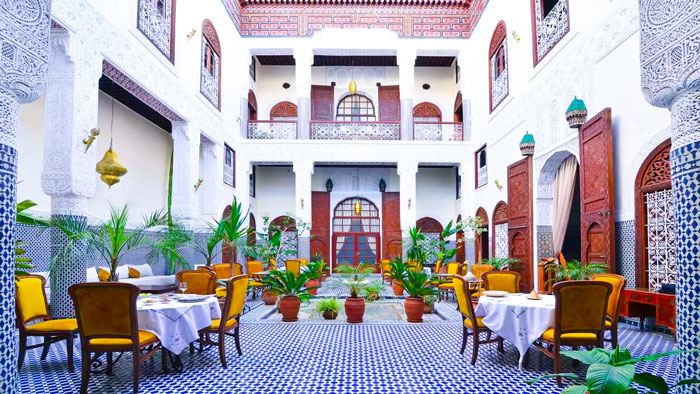
The traditional Riads are among the best places that you can visit in Fez; these Riads have a unique architecture, in which a fountain courtyard is the centre of the building and all the other rooms face it inwards. The design of the Riads from outside always seems to fool people into believing that it’s an insignificant building.

2. Al-Qarawiyyin University and Mosque

Founded in 859 AD, Al-Qarawiyyin is recognized by UNESCO and the Guinness World Records as the oldest existing and continually operating educational institution in the world. The mosque is still in use, and while non-Muslims can’t enter the prayer hall, they can admire its architecture from designated viewing spots. The green-tiled roofs and delicate Arabic calligraphy are a sight to behold.

3. Chouara Tannery

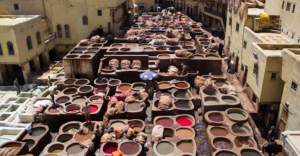
One of the most photographed spots in Fez, the Chouara Tannery offers a window into ancient leather-making techniques still in use today. From nearby terraces, visitors can watch workers dye leather in large stone vats using natural ingredients like poppy, saffron, and indigo. The smell can be intense, but fresh mint is often provided to mask it.

4. Bou Inania Madrasa

Built in the 14th century, this theological college is one of the few religious buildings in Morocco open to non-Muslims. The madrasa showcases exquisite Marinid architecture: cedar wood carvings, zellige tilework, and a tranquil central courtyard. Its location near the bustling Tala’a Kebira street makes it an accessible and peaceful stop amid the urban energy.

5. Nejjarine Museum of Wooden Arts & Crafts

Located in a beautifully restored funduq (caravanserai), this museum celebrates traditional Moroccan woodworking. The structure itself is a masterpiece, with carved balconies and an interior courtyard. Exhibits include tools, antique furniture, musical instruments, and crafts that highlight the region’s artistic heritage.

6. Royal Palace of Fez (Dar el-Makhzen)

While visitors can’t enter the palace, the massive golden gates of Dar el-Makhzen are a must-see. The gates are elaborately decorated with intricate brasswork and zellige tile patterns. The palace itself remains a residence of the Moroccan royal family and is protected by high walls, but its grandeur is evident even from the outside.

7. Mellah (Jewish Quarter) and Ibn Danan Synagogue

The Jewish quarter of Fez offers a contrasting architectural style, with balconies overlooking the streets—something rare in traditional Moroccan homes. The restored Ibn Danan Synagogue provides insight into the once-flourishing Jewish community in the city. Nearby is the Jewish cemetery, known for its white tombs and historic significance.

8. Jnan Sbil Gardens

A peaceful green escape near the Medina, the Jnan Sbil Gardens feature shaded walkways, fountains, and an artificial lake. Once part of the Royal Palace, the gardens have been carefully restored and are perfect for a mid-day break from sightseeing.

Why you should visit Fez: Best of Fes

9. Borj Nord & the Arms Museum

Located on a hill overlooking Fez, Borj Nord is a 16th-century fortress offering panoramic views of the city. Inside, the Arms Museum displays a fascinating collection of historical weaponry from different eras and cultures. The vantage point is especially beautiful during sunset.

Why you should visit Fez: Best of Fes

10. Dar Batha Museum

Originally a royal palace, the Dar Batha Museum now houses a collection of traditional Moroccan arts, including ceramics, textiles, jewelry, and woodwork. The building itself, with its Andalusian-style courtyard and fountain, is part of the charm.

Why you should visit Fez: Best of Fes

Discover the Magic of Fes Today!

Step into a world where history lives in every alleyway, scent, and sound. From the ancient Medina to the breathtaking tanneries and timeless traditions, Fes offers a journey through Morocco’s rich cultural soul. Whether you’re wandering the labyrinthine streets, admiring centuries-old architecture, or sipping mint tea in a tranquil riad, Fes will awaken your senses and leave you with unforgettable memories.

 Fez excursions, visit Fez the old city

There many interesting spots near Fez that you can visit in a day trip, such as the ones we organize in “Prime Morocco tours”.

Most notability: Volubilis and Meknes. The first is an ancient Roman city, which is situated near Moulay Driss (another historical site). The second is an imperial city that is similar to Fez, but not quite that much; the city has some wonderful, grand-scale historical sights.

From fez, you can also visit the cedar forests near Ifrane and Azerou; there you can enjoy a picnic with the monkeys who live in the mountains.

Some other day trips from Fez visit Chefchaouen: the Blue City. This city is heavily influenced by Spain.


Fez desert tours 

You can go on multiple day tours from Fez to Merzouga Desert; it’s something that the tourists seem to enjoy a lot. These tours can be customized to include as many places as you want; Merzouga Desert seems to be one of the most captivating places that everyone wants to visit. There in the desert, you’ll get the chance to do camel trekking, spend a night in a desert camp, and eat traditional Beber food and so on. You can also go from there and visit Ourzazate and Ait ben Haddo to explore the spots where Game of Throne and movies like Gladiator filmed their scenes.

Visit Fes the imperial city.


Fez is a city that should be on the list of every passionate traveler, who is interested in learning about history, discover new cultures and enjoy time a wide variety of natural landscapes.

Want more information about Fez or you want to visit Fez? Please contáctenos.

Please leave us a comment below, telling us about Fez and your experience with the place, if you have any.

error: Content is protected !!
es_ESES